


Articles
Fireproof doors and windows are vital components of any comprehensive fire safety plan. Constructed with specialized materials and innovative designs, these products create a barrier against fire and smoke, significantly slowing its spread. They are tested and rated to withstand specific durations of intens.
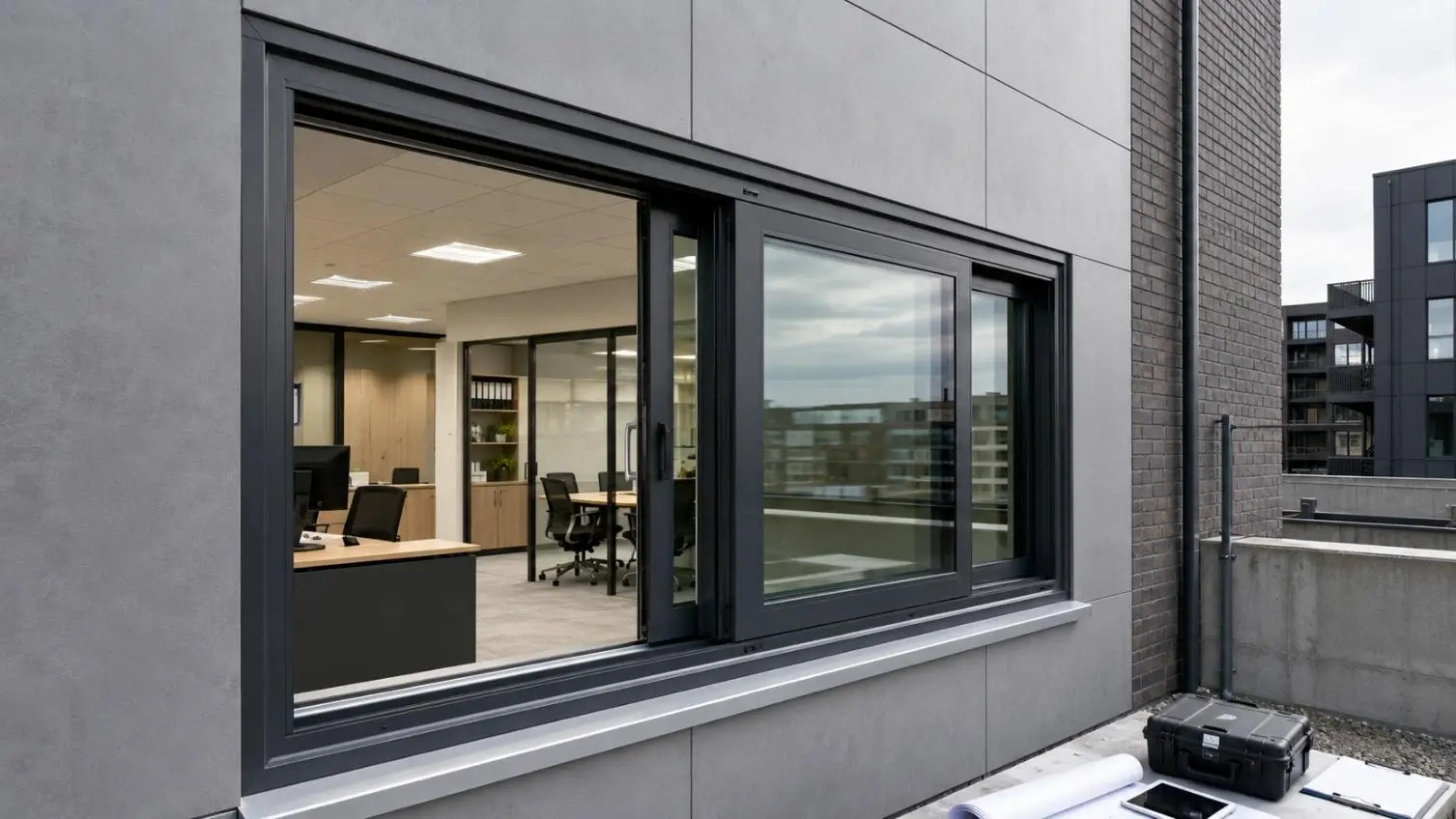

A fire rated sliding window can be useful when a building needs fire-resisting glazing that also opens for ventilation, access, pass-through use, or another practical function. Fixed fire-rated glazing may meet the fire strategy, but it cannot provide movement where the design brief requires it.
However, a fire rated sliding window is more complex than a fixed panel. The track, moving leaf, frame, seals, closing position, and installation tolerances must all match the tested assembly. This article explains when sliding fire-rated glazing makes sense, how it differs from fixed systems, and what to check before specifying 90-minute or 2-hour fire rated windows.
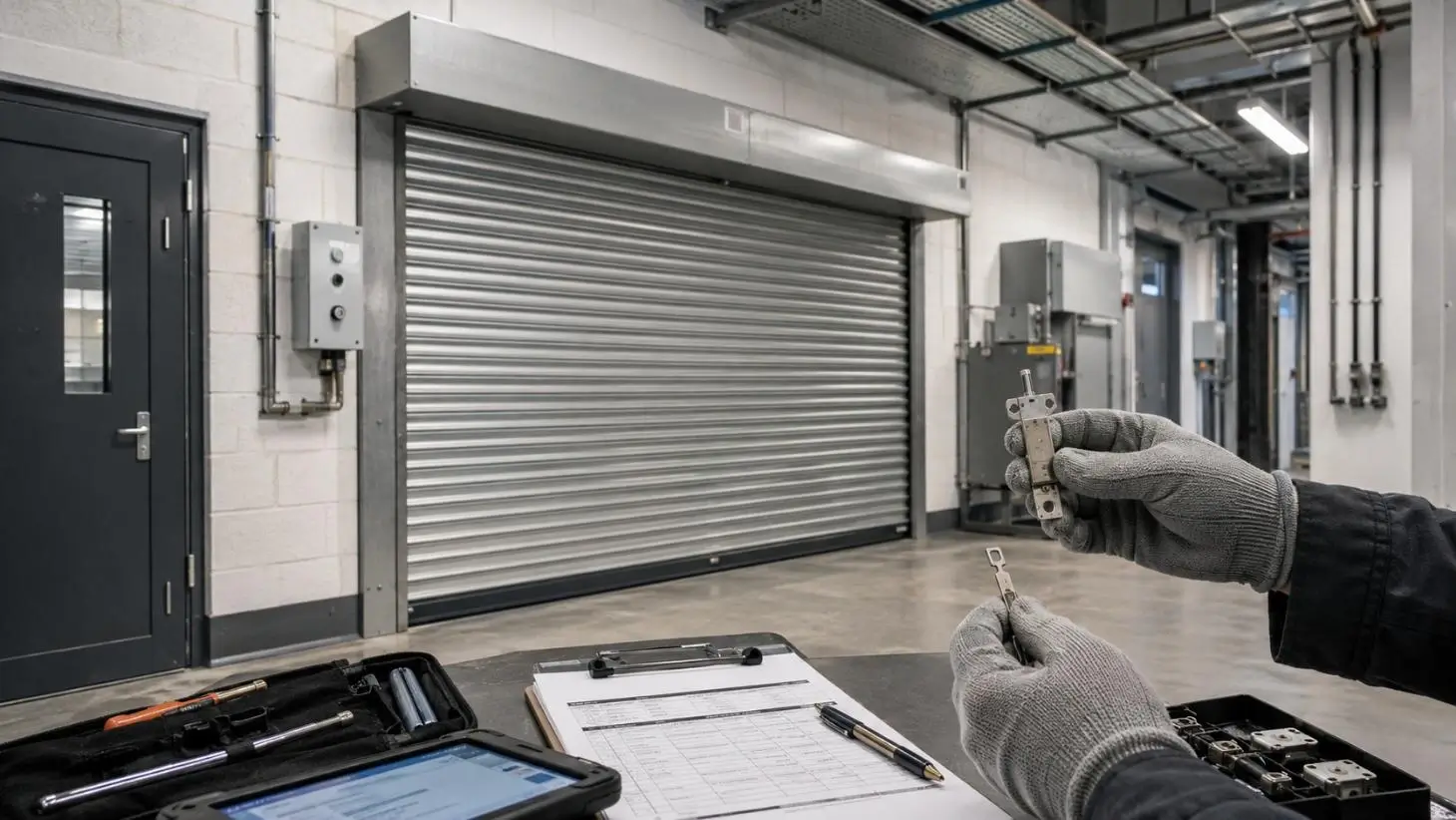
A fusible link is a small component with an important fire safety role. It holds a fire-rated assembly in position until heat reaches a specified activation point. When the link releases, the connected shutter, damper, vent or similar assembly can move into its fire safety position without manual operation.
This windowhalt fusible link guide explains how the system works, where it may be used, what to check against fire shutter regulations UK, and how to make sure the component is correctly specified, installed, maintained and recorded.
For architects, specifiers, contractors, developers, fire safety consultants, facilities managers and property owners, the key point is simple. A fusible link is not a standalone compliance solution. It must be compatible with the tested fire-rated assembly it serves.
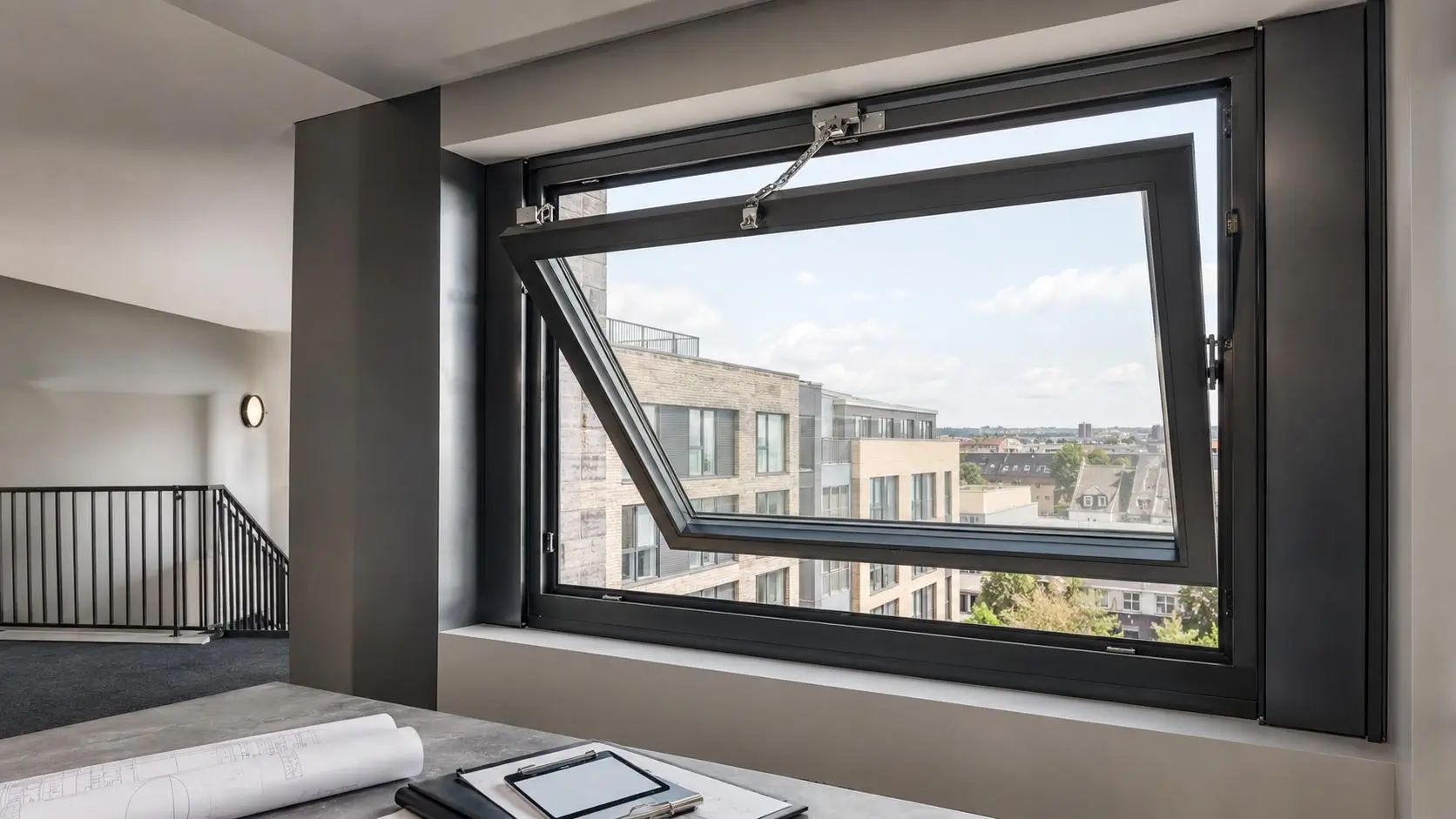
An automatic release fire window is used when a building needs fire-rated glazing that can also open automatically for smoke ventilation, heat exhaust, pressure relief, or another fire strategy function. Because it must perform both as a fire-resisting window and an operable release system, the specification needs more care than a fixed fire-rated window.
This guide explains when an AOV fire rated window may be suitable, how operable fire rated windows differ from fixed glazing, and what to check before specification, including test evidence, field of application, release mechanism, free area, glazing, UK compliance, and maintenance.
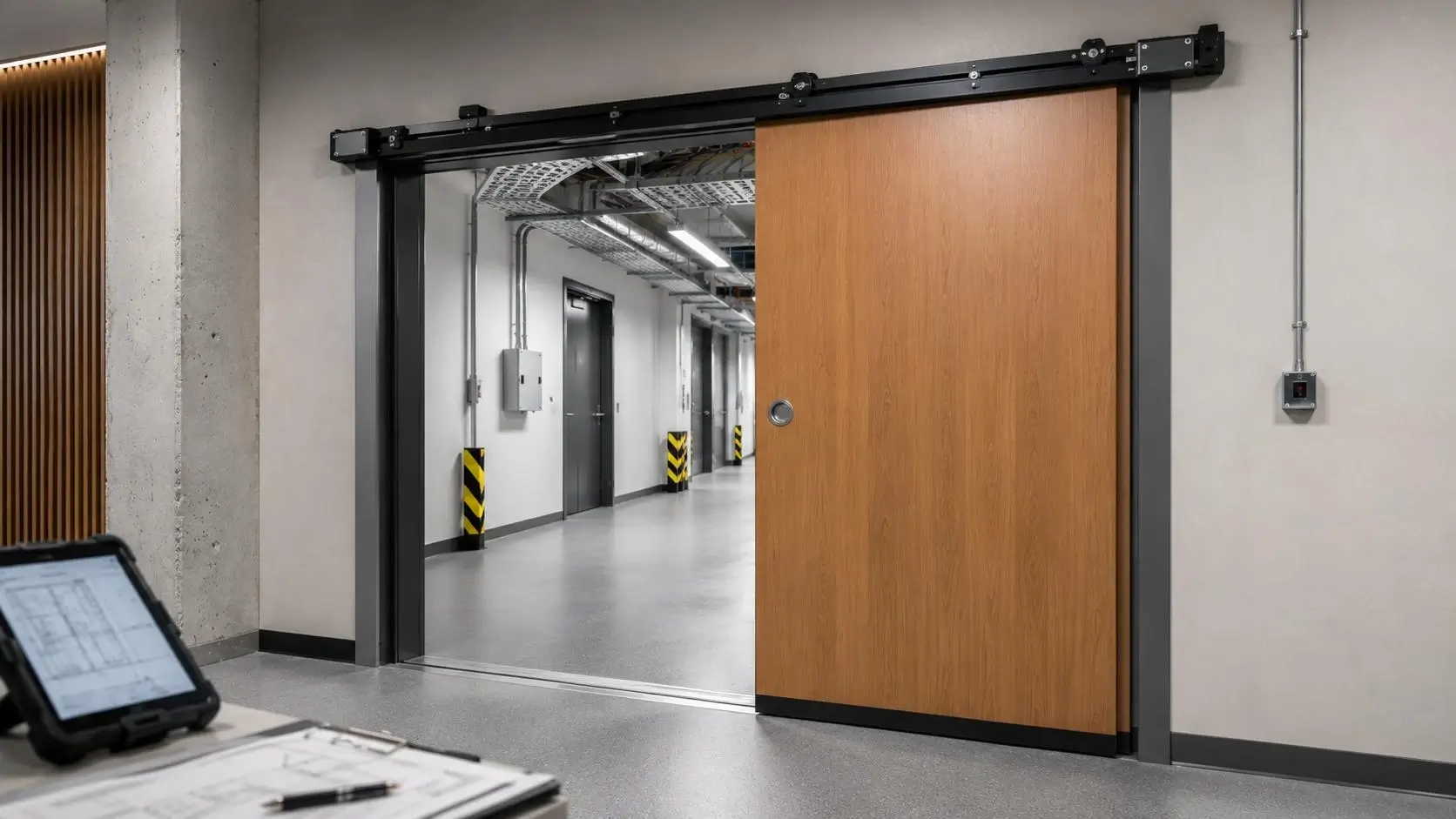
A sliding fire door can solve a real design problem when a hinged fire doorset would obstruct circulation, reduce usable escape width or clash with operational traffic. It is most relevant in buildings where the opening needs certified fire resistance, but the surrounding space makes a conventional swing door difficult to justify.
This article is for architects, specifiers, contractors, developers, facilities managers and property owners who need to decide whether a sliding fire door is suitable before the fire strategy, door schedule or supplier package is finalised. The answer depends on the opening, the escape strategy, the certification evidence, the closing mechanism and the maintenance regime that will exist after handover.
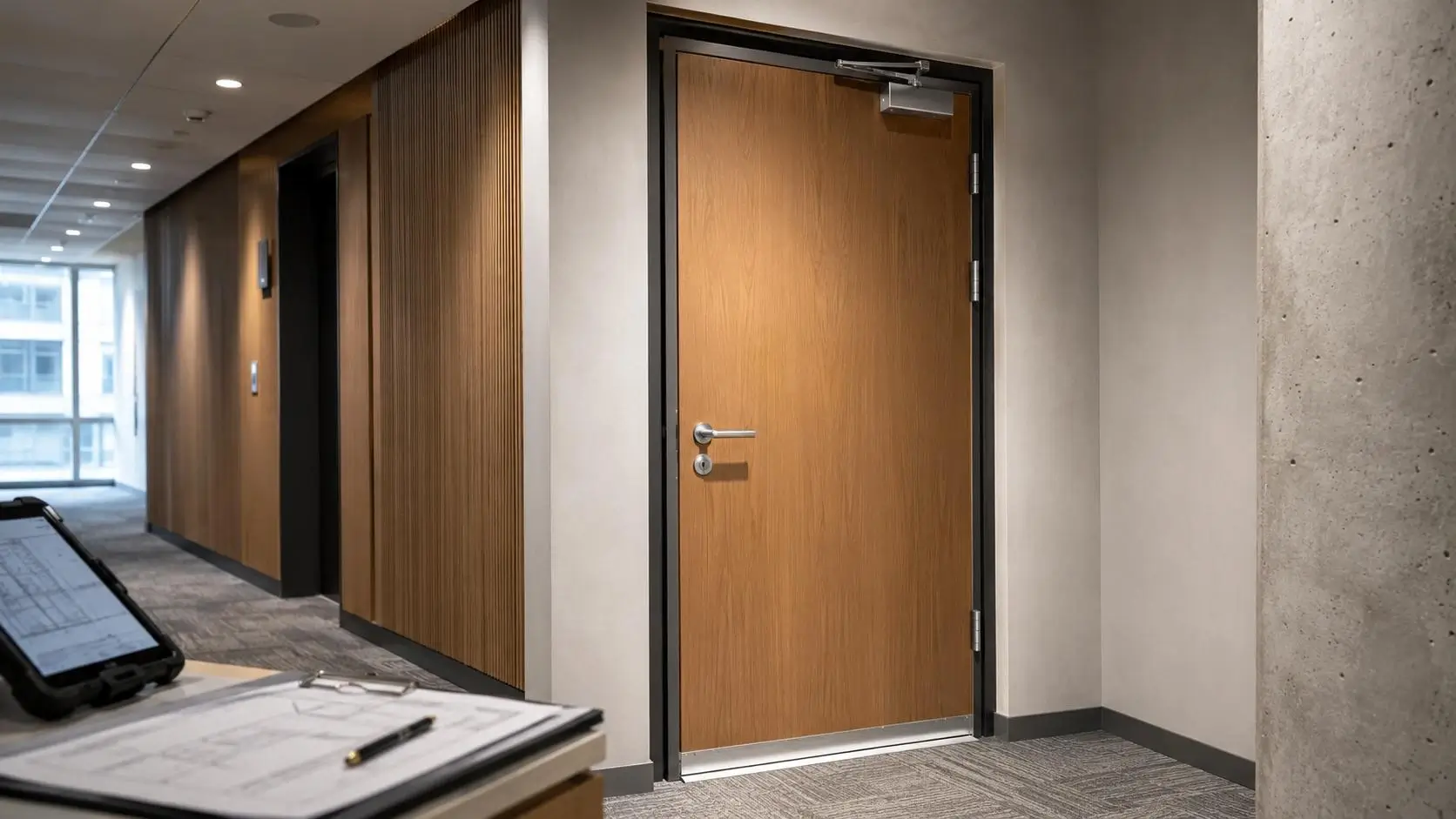
Specifying an FD90 fire door is not just about choosing a heavier door leaf. In higher-risk UK projects, a 90-minute fire door must support the fire strategy, match the compartmentation requirement, and remain compliant through procurement, installation, inspection, and handover.
This FD90 fire doors guide explains what FD90 means, when it is the right rating, what certification should prove, why the door leaf, frame, seals, hardware, closer, threshold, and glazing must be treated as one tested system, and what records should be kept after installation.
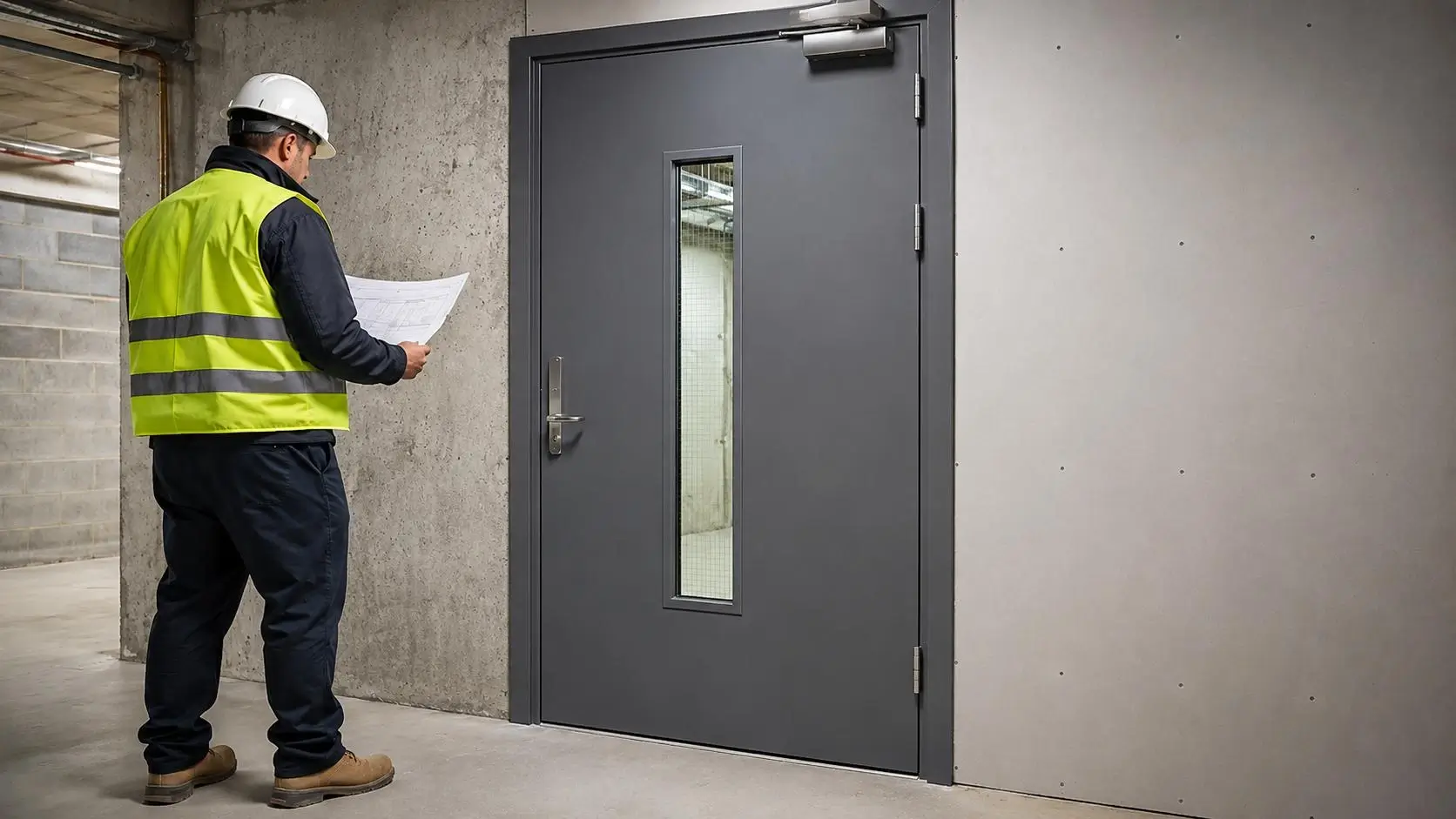
This FD120 Fire Doors Guide is for projects where a standard FD30 or FD60 approach is not enough. FD120 doors are normally specified where the fire strategy calls for 120-minute compartmentation, such as high-risk plant rooms, protected stair or lobby areas, industrial facilities, specialist healthcare spaces or higher-risk residential buildings.
The first point in any FD120 Fire Doors Guide is that the rating applies to the tested assembly, not just the door leaf. The frame, seals, glazing, ironmongery, fixing method and installation instructions all matter. If one part is changed without supporting evidence, the completed doorset may not provide the performance shown on the certificate.
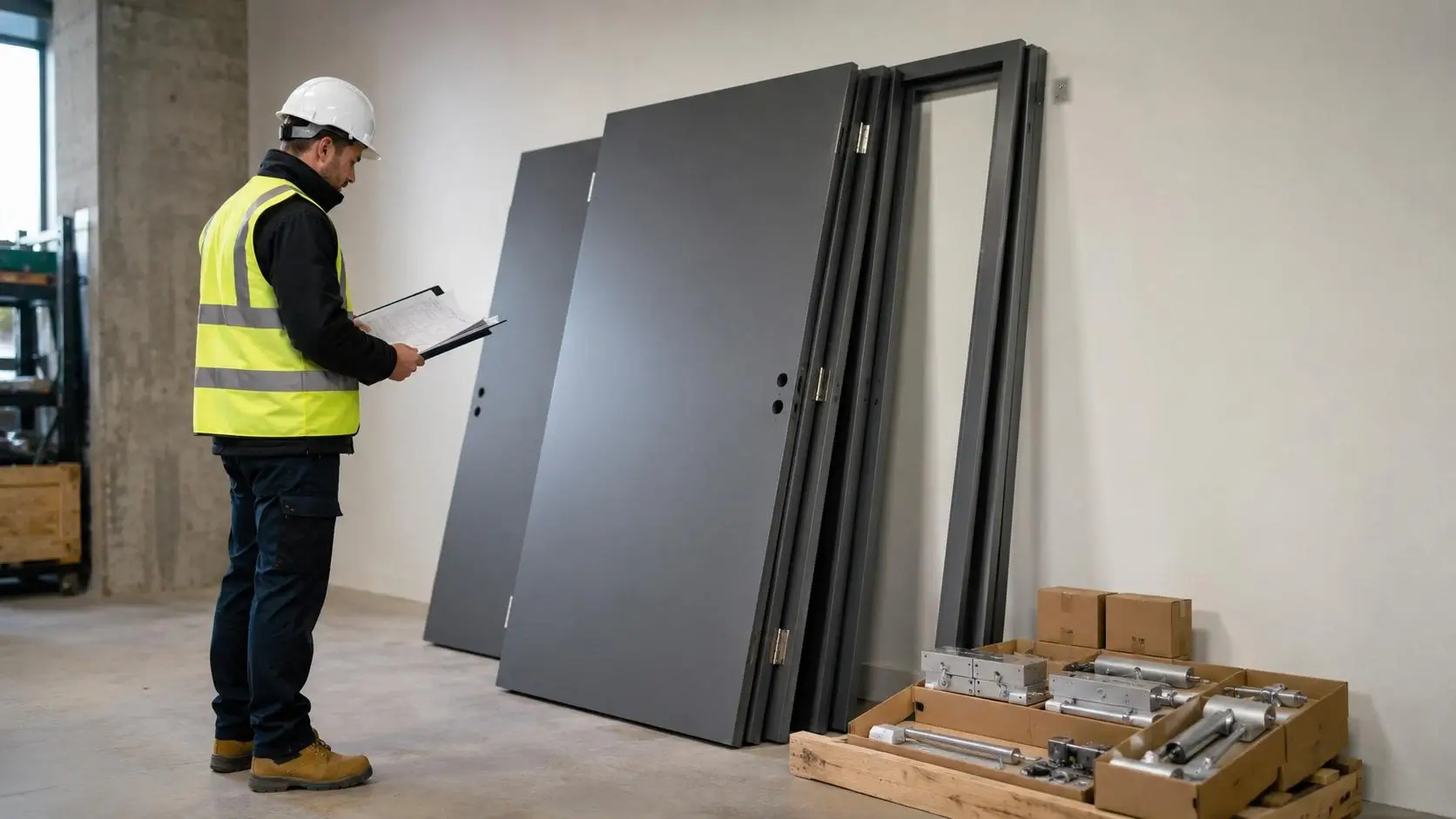
This fire door supplier selection guide is for contractors, architects, developers, landlords and facilities managers who need more than a low price. A fire door is part of a tested fire-resisting assembly, so the supplier must be able to prove what is being sold, how it has been tested and what conditions apply to installation.
Poor fire door supplier selection can leave a project with doors that look correct but cannot be supported by valid documentation. That becomes a problem during handover, insurance review or fire risk assessment. The safest approach is to check the evidence before the purchase order is raised, not after the doors arrive on site.
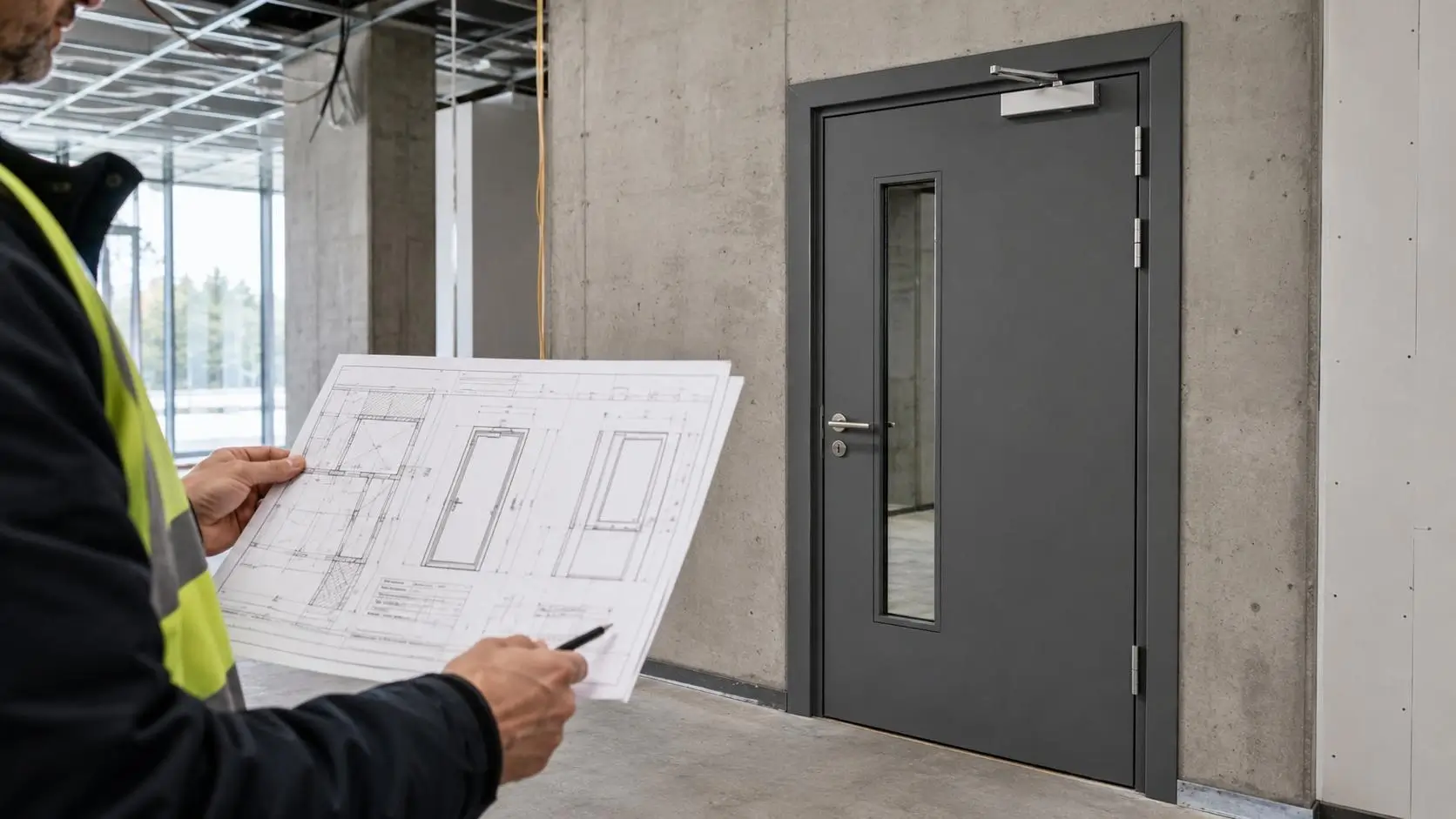
This FD60 fire doors guide is for contractors, architects, developers, landlords and facilities managers who need to specify, install or approve 60-minute fire doors without relying on assumptions. FD60 doors are commonly used where the fire strategy requires a longer period of compartmentation than FD30, such as stair enclosures, plant rooms, basement routes, service risers and higher-risk internal separations.
The risk is that a door leaf can be FD60 certified while the completed doorset is not. A mismatched frame, incorrect glazing system, unsuitable closer, missing seal or undocumented hardware substitution can move the installation away from the tested evidence. This FD60 fire doors guide explains what to check before an FD60 door reaches sign-off.
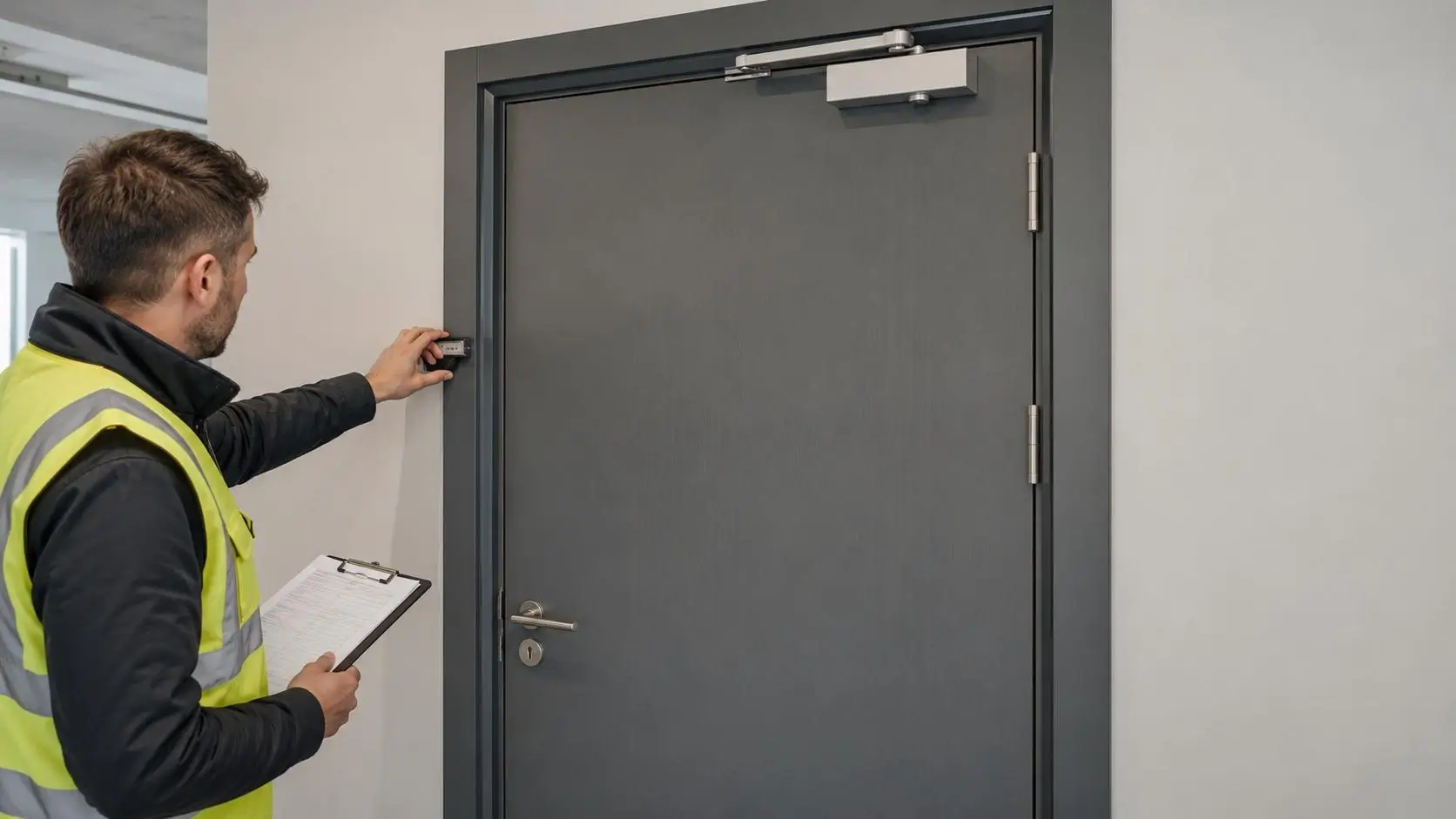
This FD30 fire doors guide is written for contractors, architects, developers, landlords and facilities managers who need to specify, install, approve or maintain FD30 doors without relying on guesswork. A door leaf can be labelled FD30 and still become a compliance risk if the frame, seals, ironmongery, glazing or installation method do not match the tested evidence.
The safest way to approach FD30 doors is to treat them as complete fire door assemblies, not just as door blanks. This FD30 fire doors guide explains what FD30 means, what it does not prove, and what needs checking before an FD30 door is accepted on site.