


Articles
Fireproof doors and windows are vital components of any comprehensive fire safety plan. Constructed with specialized materials and innovative designs, these products create a barrier against fire and smoke, significantly slowing its spread. They are tested and rated to withstand specific durations of intens.
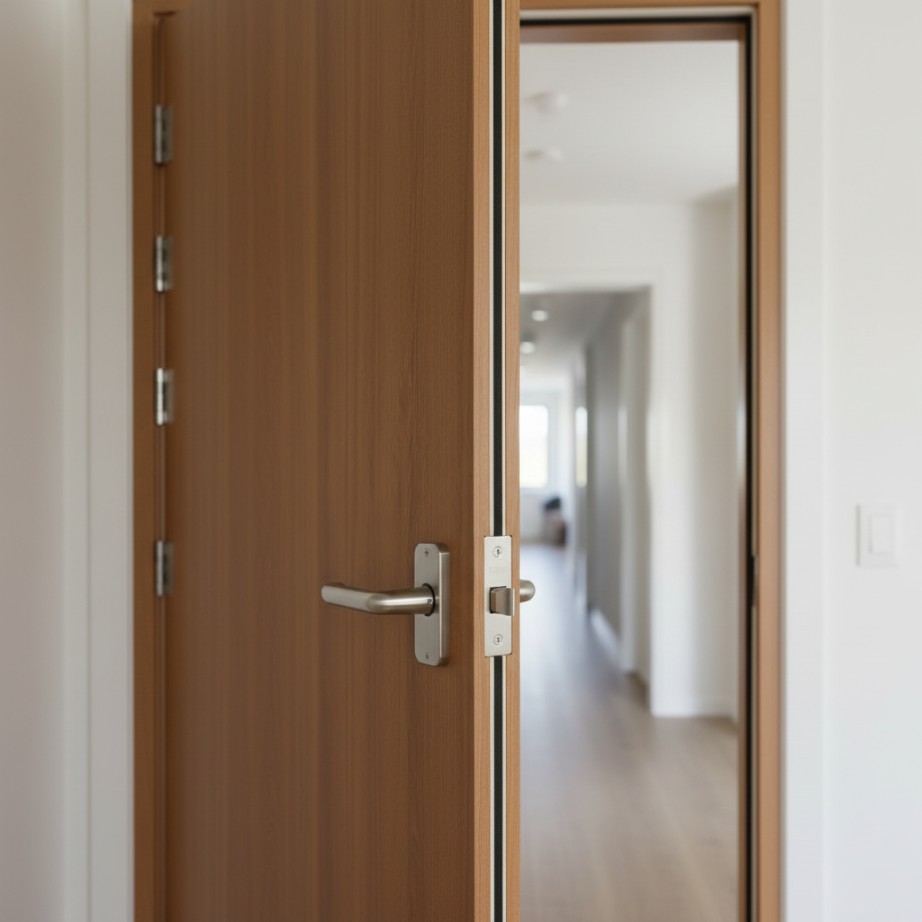

Intumescent strips for firedoors are a critical part of a fire door assembly because they expand in heat and seal the gap between the door leaf and the frame, helping to contain fire and smoke. If you specify, install, or maintain fire doors in the UK, choosing the correct intumescent strip for fire door performance is as important as the door rating itself.
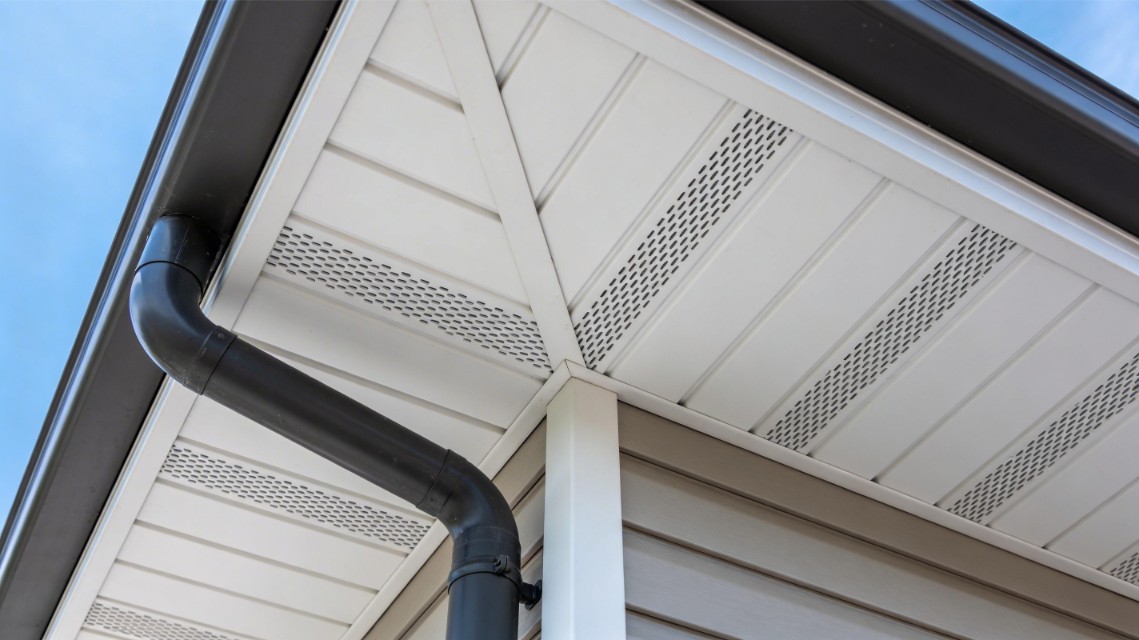
Soffit vents specifications matter because the eaves are where most pitched roofs take in fresh air, helping the roof void stay dry and stable through the seasons. Soffit air vents are not just a finishing detail, they are part of the moisture control strategy that reduces condensation risk, protects timber, and supports insulation performance when the roof is detailed and maintained correctly.
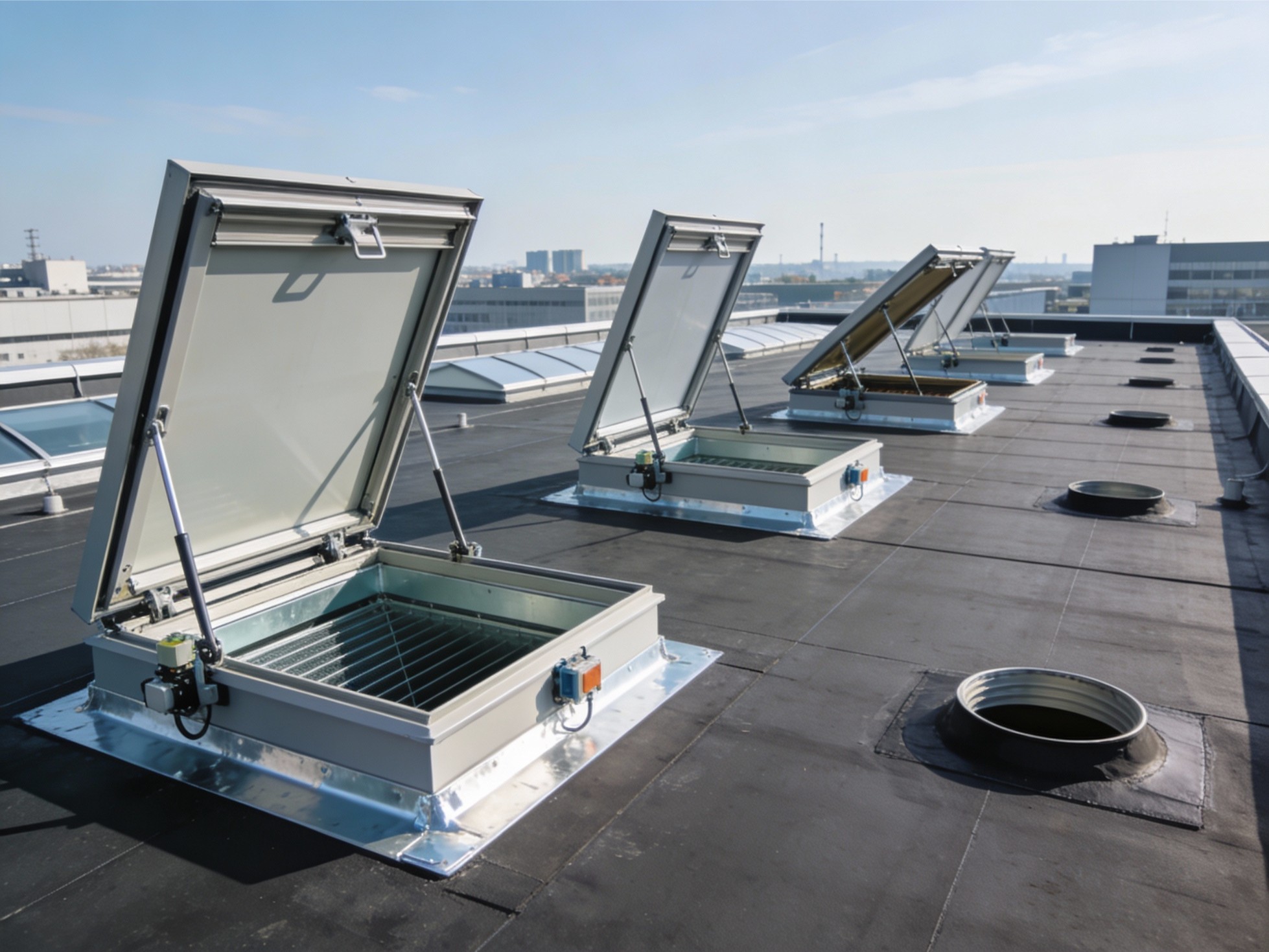
In a developing fire, heat is frightening, but smoke is often what turns a manageable escape into a blind, toxic rush. That is why smoke ventilation is treated as a life-safety system, not a nice-to-have add-on. This AOV ventilation guide explains how an Automatic Opening Vent (AOV) is meant to perform, where it belongs in a building’s fire strategy, and what separates a compliant installation from a vent that looks correct but fails when it matters.

Spray-applied insulation can solve two problems at once: it reduces heat loss and it closes the small cracks and junctions where buildings typically leak air. The difficulty is that not all spray products behave the same way in fire, and the language used in specifications can be misleading. A product described as fire rated may only achieve that performance in a particular tested build-up, at a stated thickness, with a defined coating or lining, and with specific installation controls.
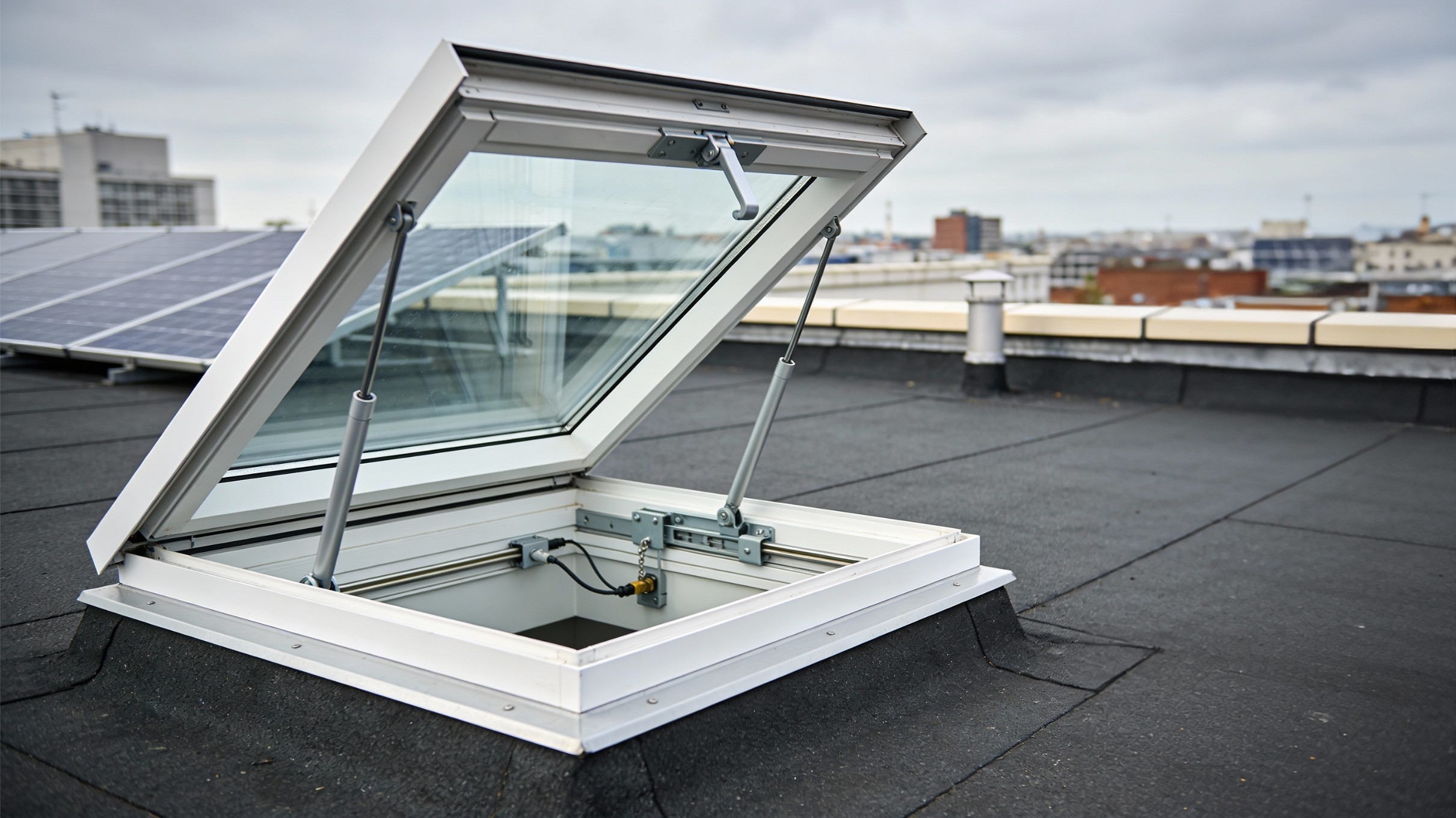
In most buildings, the smoke vent is the visible part of the system: a roof hatch, a louvre, or a top-hung window at high level. Yet in an actual fire, the part that often decides success or failure is much smaller and much less obvious. It is the actuator.
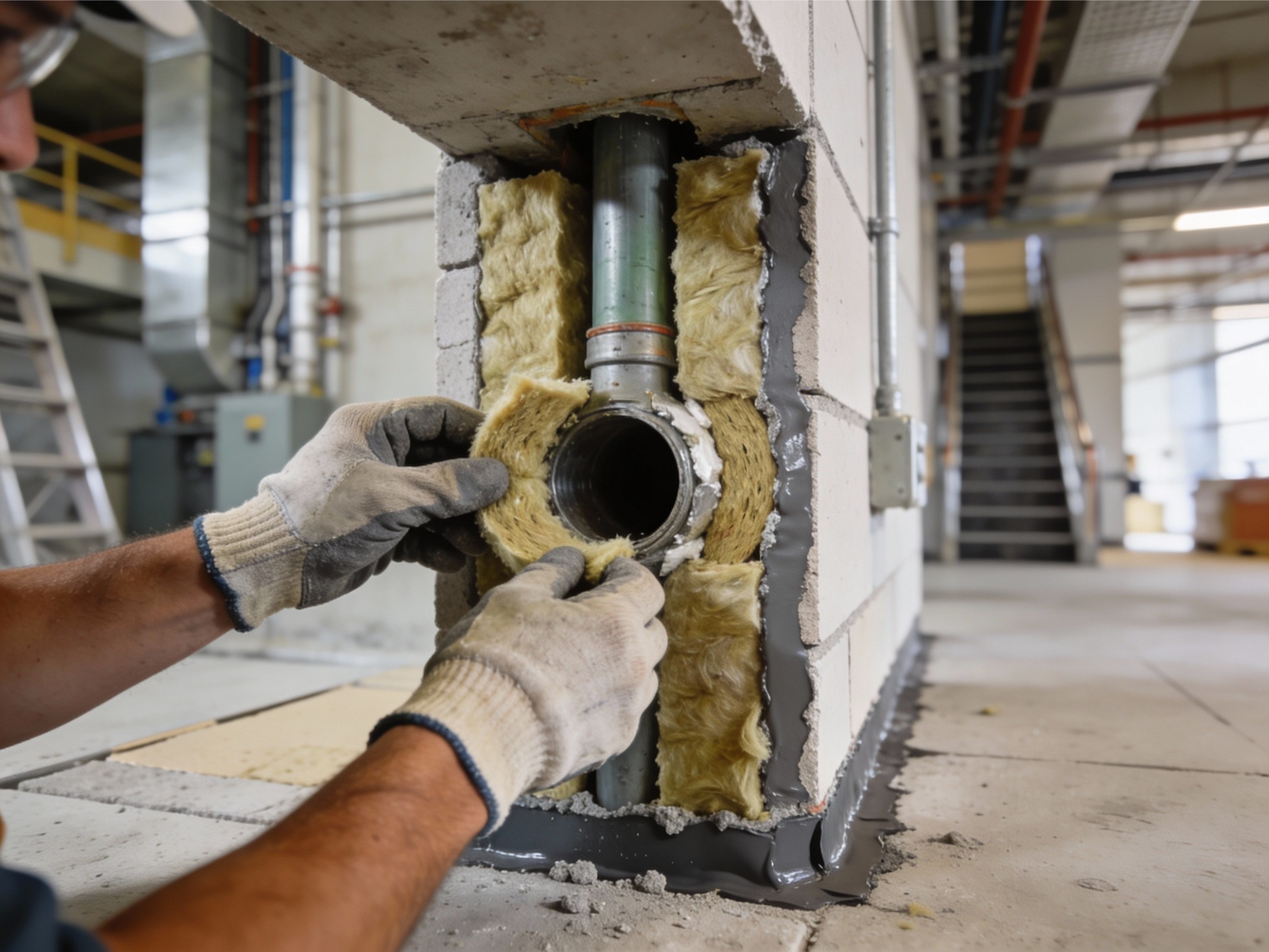
Fire stopping is often described as a finishing trade, but in real buildings it behaves more like a structural safety system. If the compartment line is broken by an unsealed service penetration, a poorly packed joint, or the wrong insulation density, fire and smoke will move where the design never intended. That is why fire stop insulation specifics matter: they determine whether the fire resistance rating of a wall or floor is preserved after every cable tray, pipe run, and last-minute change.

A fire door can look perfectly ordinary on day one and still fail when it matters if the details are wrong. The hinges might be the wrong grade, the frame might be slightly out of square, or the seals might be interrupted by a shortcut that seemed harmless at the time. For installers, contractors, and facilities teams, the goal is simple: a doorset that closes reliably, seals as tested, and stands up to daily traffic without drifting out of tolerance.
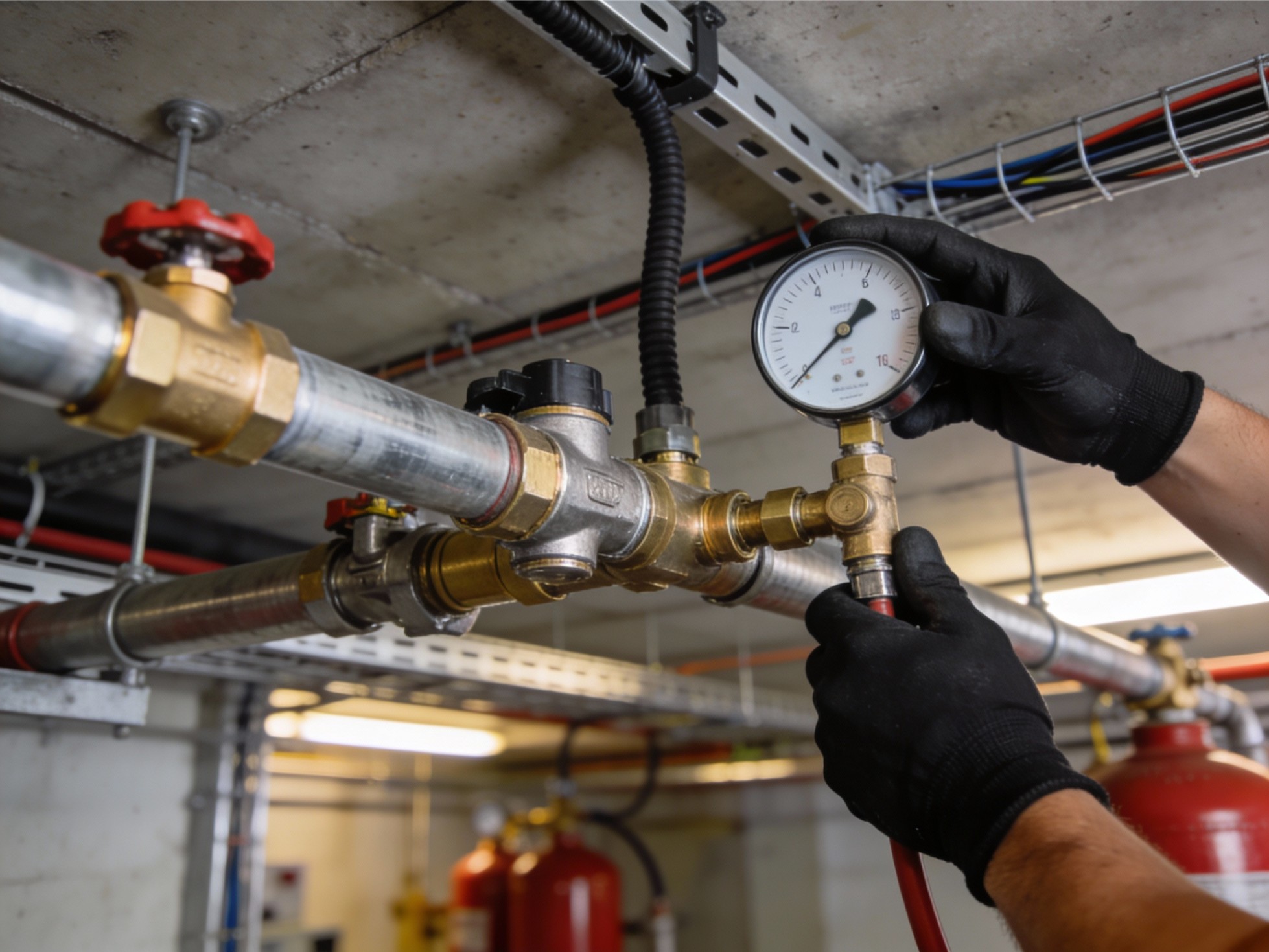
Gas fire suppression is designed to work fast, deliver the correct agent concentration, and then hold that concentration long enough to control the fire. None of that happens reliably if the pipework leaks, fittings are compromised, or the enclosure cannot retain the agent after discharge. A properly executed gas pressure test is one of the most decisive quality gates in the lifecycle of a clean agent system.

Most people notice the label on a fire door – FD30, FD60, and so on – but pay far less attention to the thin line of light around the leaf. That line is the gap, and in fire safety terms it is critical. The gap around fire door & regulations is not a minor detail: those few millimetres strongly influence whether smoke and flames stay contained or escape into corridors and stairwells.