


Fire Doors Specialists in Liverpool
Fire Doors Liverpool – essential for safety and compliance in buildings across the UK. Fire doors help prevent the spread of flames and smoke, protecting escape routes and giving occupants more time to leave safely. In Liverpool, they are used across homes, apartment blocks, offices, schools, healthcare settings, public buildings, commercial premises, and industrial facilities.

Our certifications







Fire doors are specially designed doors that help prevent flames and smoke from spreading between different sections of a building. They provide critical escape time, support compartmentation, and help protect property from wider fire damage. Made from fire-resistant materials such as timber, steel, aluminium, or glass with intumescent seals, they are required in many commercial, residential, and public buildings under UK fire safety regulations. When properly installed and closed, fire doors help contain flames and toxic smoke, improving life safety and reducing building damage. For local projects, this includes checking whether the door protects a flat entrance, shared corridor, staircase, service room or commercial escape route, because each position affects the required specification.
What Are The Fire Door Regulations in Liverpool?
Fire doors in Liverpool must comply with UK fire safety regulations and building standards. The main guidance includes UK Building Regulations Approved Document B, which sets out fire safety expectations for residential and commercial properties, including escape routes, compartmentation, protected stairways, and fire-resisting construction.
Fire doors are commonly required in flats, HMOs, multi-storey residential buildings, commercial premises, shared corridors, stairwells, plant rooms, service risers, utility areas, and other locations identified by the building’s fire strategy or fire risk assessment.
Where several doors sit along the same escape route, the specification should remain consistent with the fire strategy. This helps avoid weak points between compartments and makes future inspections easier for landlords, managing agents and facilities teams.
Fire Door Regulations and Standards
Under the Regulatory Reform Fire Safety Order 2005, landlords, business owners, facilities managers, and responsible persons must ensure fire doors are correctly installed, inspected, and maintained. Fire doors are usually tested and classified according to relevant standards such as BS 476 and BS EN 1634.
Good records also support ongoing compliance. Inspection notes, certification details, repair history and replacement hardware information help responsible persons show that fire door safety is being managed consistently, not only considered when a defect becomes visible.
Common fire resistance ratings include FD30, FD60, FD90, and FD120. The correct rating depends on the property type, escape route layout, occupancy, risk level, and compartmentation requirements.
What Has Changed With The Fire Door Laws?
Fire door requirements have become stricter in recent years, especially for multi-occupied and higher-risk residential buildings. The Fire Safety Act 2021, Building Safety Act 2022, and Fire Safety England Regulations 2022 have increased the focus on documentation, competent installation, regular checks, and clear responsibility for fire safety management.
Where access is needed for inspection, clear communication with residents, staff or occupants helps checks happen without disrupting normal building use. This supports a safer approach to communal fire safety management across the managed property.
For property owners, landlords, and responsible persons in Liverpool, fire doors should not be treated as ordinary internal doors. They must be properly specified, fitted, inspected, and maintained to remain compliant. Non-compliant fire doors can create legal risk, insurance issues, and serious danger to occupants.

What Types of Fire Doors Are Available in Liverpool?
1. Timber Fire Doors – Most common in homes and offices, offering a balance of safety and aesthetics.
2. Steel Fire Doors – Highly durable, often used in industrial settings or high-security areas.
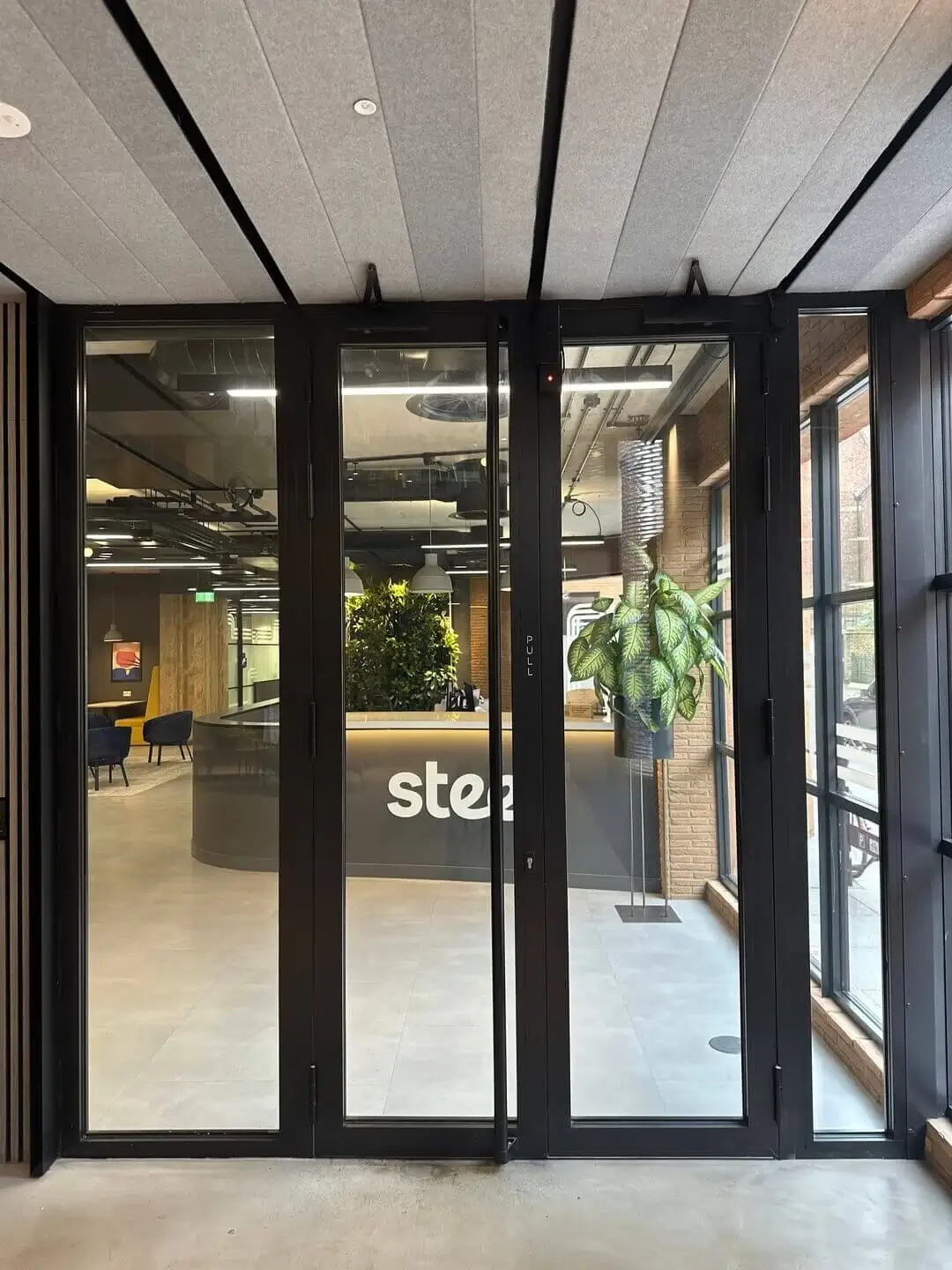
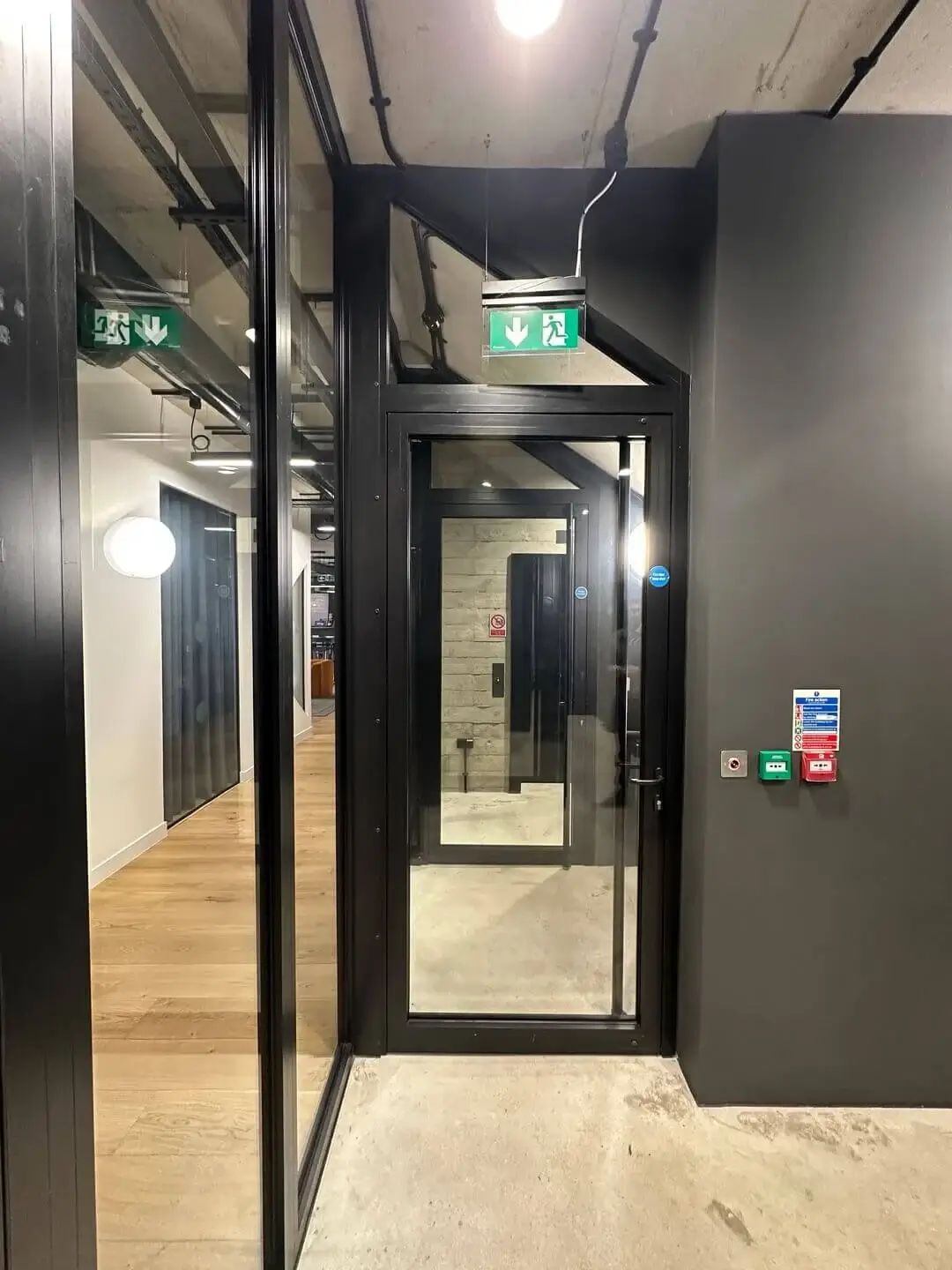
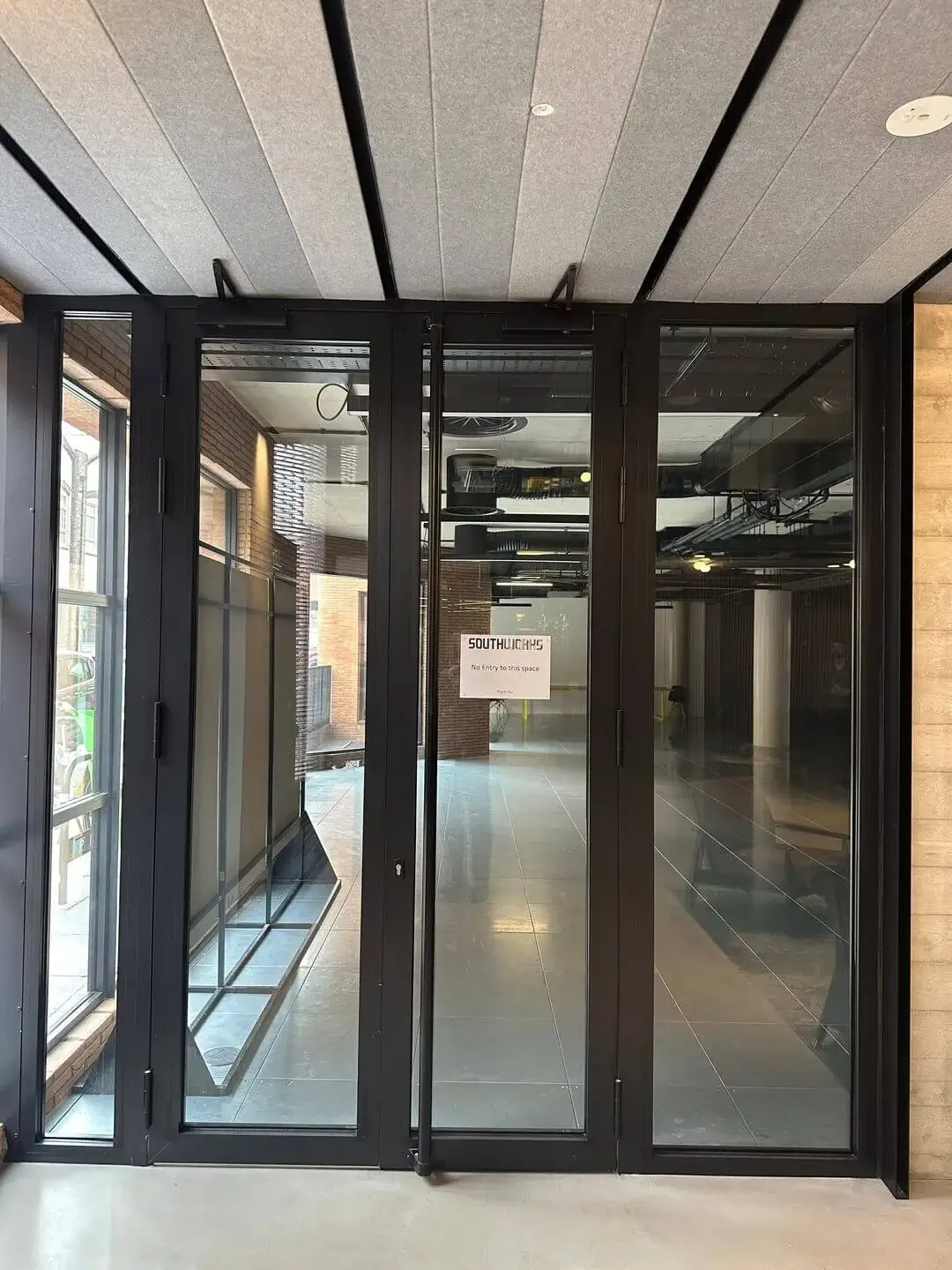
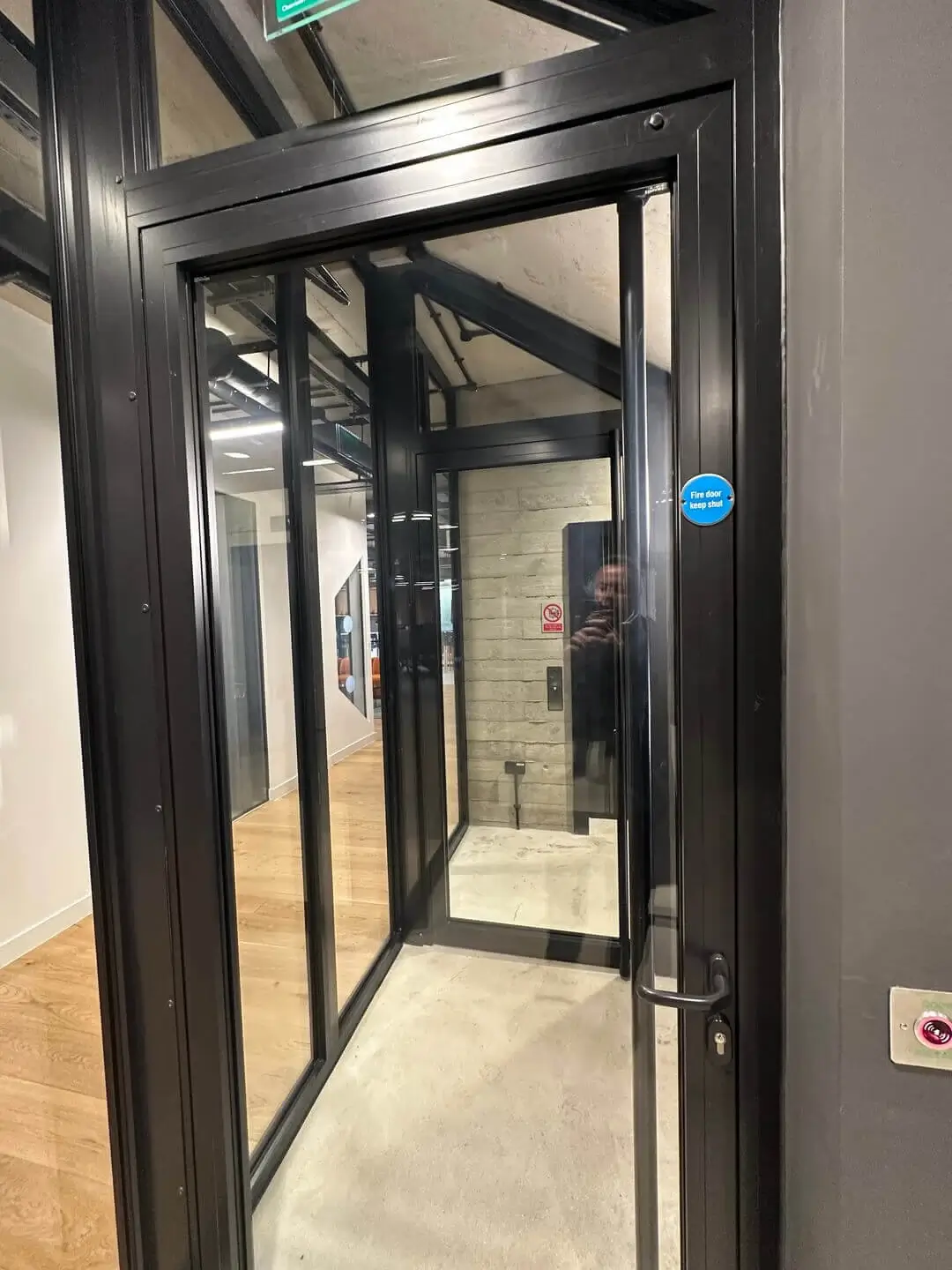
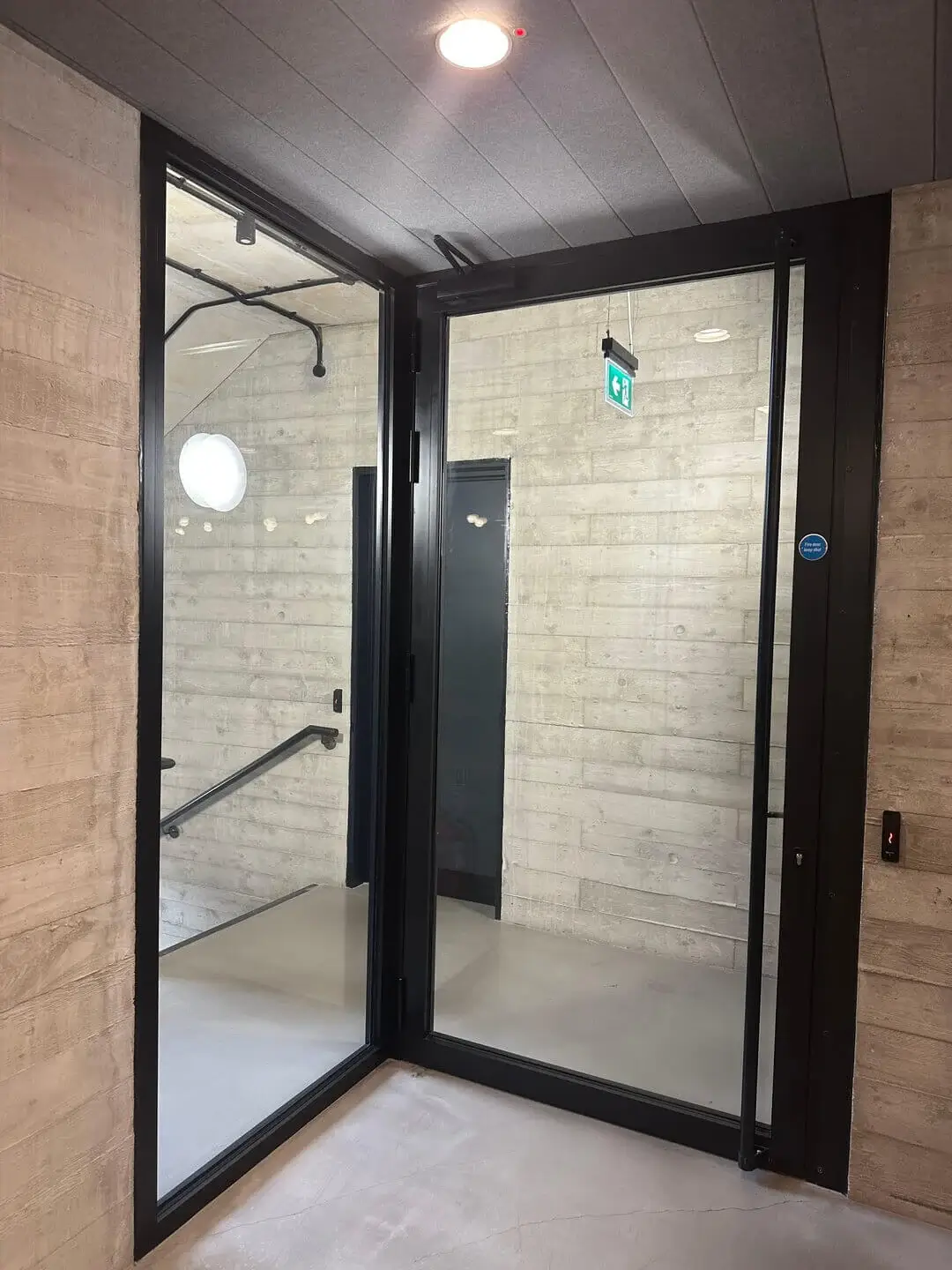
3. Glass Fire Doors – Feature fire-resistant glazing, ideal for modern offices while maintaining safety.
The right choice depends on both the building use and the level of wear the door will face. Timber fire doors suit flats, offices, schools, hotels, and internal escape routes where a warmer interior finish is required. Steel fire doors are better suited to plant rooms, service corridors, basements, bin stores, and back-of-house areas that need higher impact resistance and easier cleaning. Glass fire doors help keep reception areas, office partitions, and communal spaces brighter while still maintaining certified protection. For busy Liverpool buildings, durability matters as much as appearance. Door leaves, frames and closers should be selected with daily traffic in mind, especially in shared entrances, student accommodation, healthcare settings and commercial units used throughout the day.
Types of Fire Door Resistance Ratings
– FD30 (30 mins) – Standard for flats and residential buildings. (Source)
– FD60 (60 mins) – Required in commercial spaces and escape routes. (Source)
– FD90/FD120 (90-120 mins) – Used in high-risk areas like industrial sites and high-rises. (Source)
Optional Features of Fire Doors in Liverpool
1. Acoustic Fire Doors – Combine fire resistance with soundproofing, ideal for schools, hotels, and offices needing noise control.
2. Security-Rated Fire Doors – Reinforced against forced entry while maintaining fire protection, used in banks, government buildings, and high-risk facilities.
3. Smoke-Sealed Fire Doors – Feature advanced intumescent and cold smoke seals to block toxic fumes, critical for hospitals, care homes, and escape routes.
For Liverpool properties, the finish should also support the interior and maintenance plan. Painted doors give a clean, controlled appearance and are easy to refresh during future refurbishment. Veneered or timber-effect finishes sit well in residential and hospitality interiors. Metal doors can be powder-coated to match frames, access panels, or façade details, creating a consistent look across high-use areas. This is useful for properties where fire safety must work alongside comfort, access control, noise reduction or security. The door should remain easy to use every day while still closing correctly, sealing properly and supporting the wider fire strategy.
Fire Door Products We Offer in Liverpool
Interested in Fire Doors?
Ensure your property meets UK fire safety requirements with certified fire doors suitable for Liverpool buildings. From FD30 residential fire doors to FD120 industrial solutions, we supply fire door systems for commercial, residential, public-sector, and specialist environments.
Contact us to get a quote!
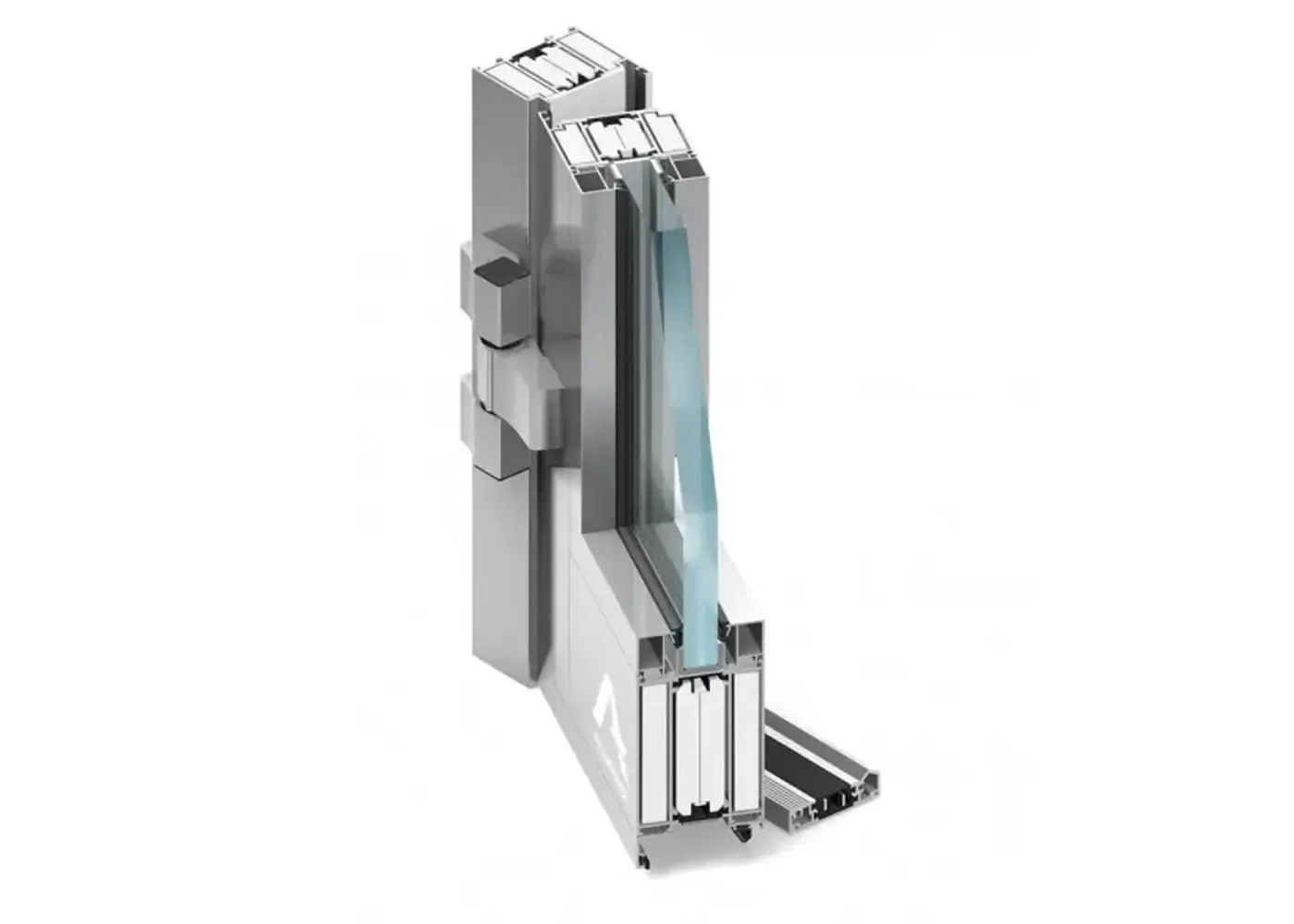
The Main Components of a Fire Door
Every fire door is engineered with flame safety system, each component is critical in containing fires. What each component does:
-
Fire-Resistant Door Leaf – The core structure, constructed from certified materials (solid timber, steel, or composite) to withstand intense heat.
-
Intumescent Seals – Expand up to 10x when heated (typically at 200°C), sealing gaps to block flames and smoke. Cold smoke seals may be added to prevent early smoke infiltration.
-
Hinges – Minimum 3 per door (4 for heavier models), all CE-marked and fire-rated to avoid melting or warping under heat.
-
Door Closers – Automatic self-closing mechanisms ensure doors shut independently—a legal requirement for compartmentation. Hydraulic or spring-based models must adjust to close firmly without slamming.
-
Locks & Latches – Must be fire-rated (tested to BS EN 12209) and non-combustible. Mortice locks or panic hardware are common, depending on building use.
-
Vision Panels (if fitted) – Use ceramic or wired fire glass (tested to BS 476-22) in steel or timber frames. Size and placement are regulated to maintain integrity.
In Liverpool refurbishments, made-to-measure fire doors are especially important because many buildings have non-standard openings, uneven walls, or existing frames that no longer meet modern requirements. A site survey helps confirm the required door size, swing direction, threshold detail, closer type, and whether smoke seals, acoustic performance, or security-rated hardware are needed. The frame, threshold, glazing, seals and ironmongery should be compatible with the tested door set. Mixing standard components with a rated leaf weakens performance, creates maintenance issues and makes future inspections harder to evidence clearly.
Why Specialists Must Install Fire Doors?
Incorrectly fitted fire doors fail in emergencies—gaps over 3mm can allow smoke to get through, and misaligned closers may prevent sealing. Liverpool fire safety laws (Building Safety Act 2022) mandate third-party certified installers to ensure compliance. DIY installations risk voiding warranties and violating the Regulatory Reform (Fire Safety) Order 2005. A specialist installer also checks the surrounding opening, not just the door itself. Walls, frames, fixings, floor levels and closer positions all affect whether the finished installation protects the compartment and latches reliably after every use.
Common Fire Door Installation Mistakes to Avoid
-
Incorrect gaps: Must be 2-4mm around edges (measured with a gap gauge).
-
Missing/intact seals: Intumescent strips must be continuous—no breaks around hinges.
-
Wrong hardware: Using non-fire-rated hinges, closers, or locks reduces effectiveness.
-
Poor framing: Fire doors require certified frames (not standard timber) with matching fire resistance.
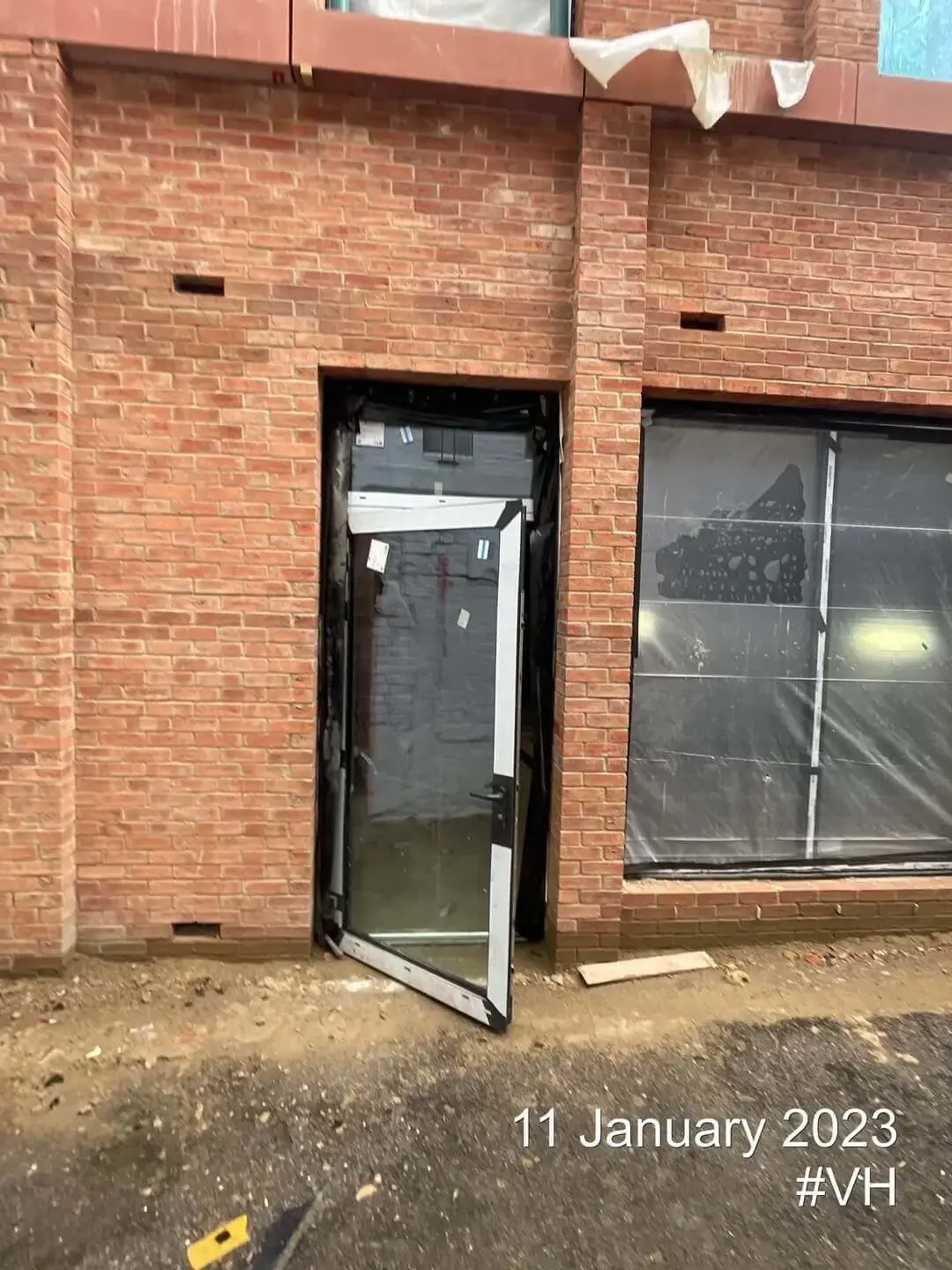
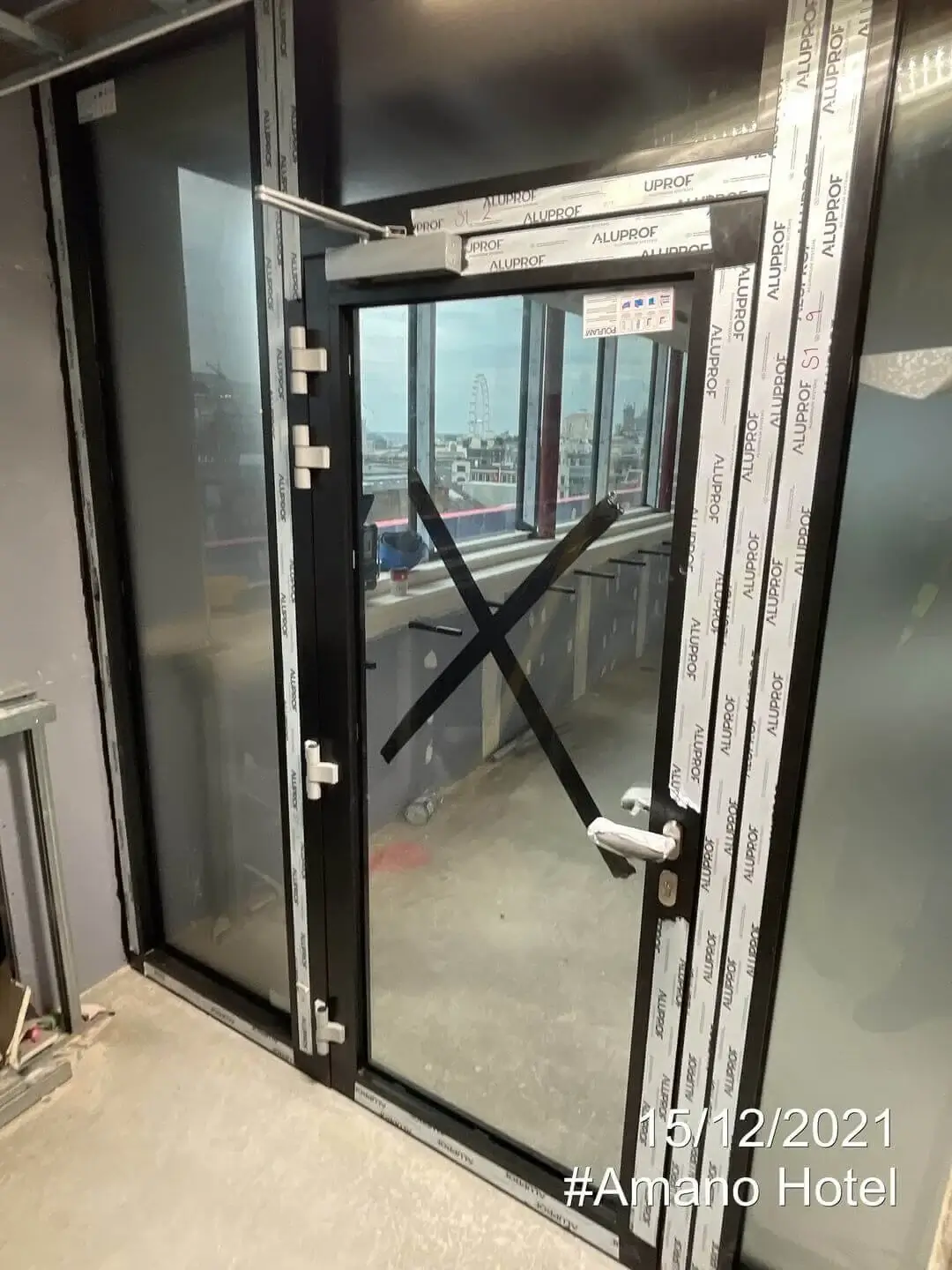
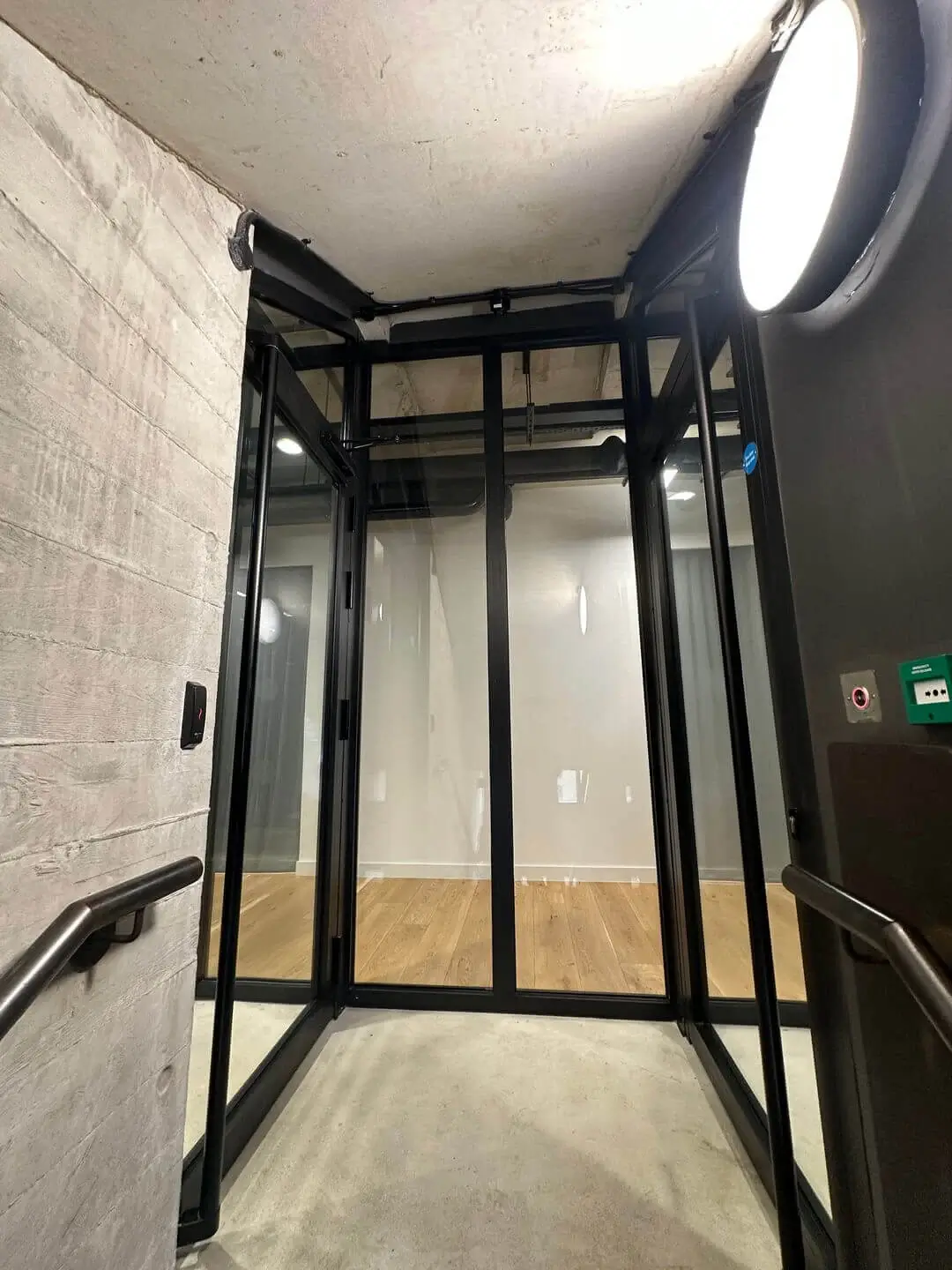
Our most recent completed project

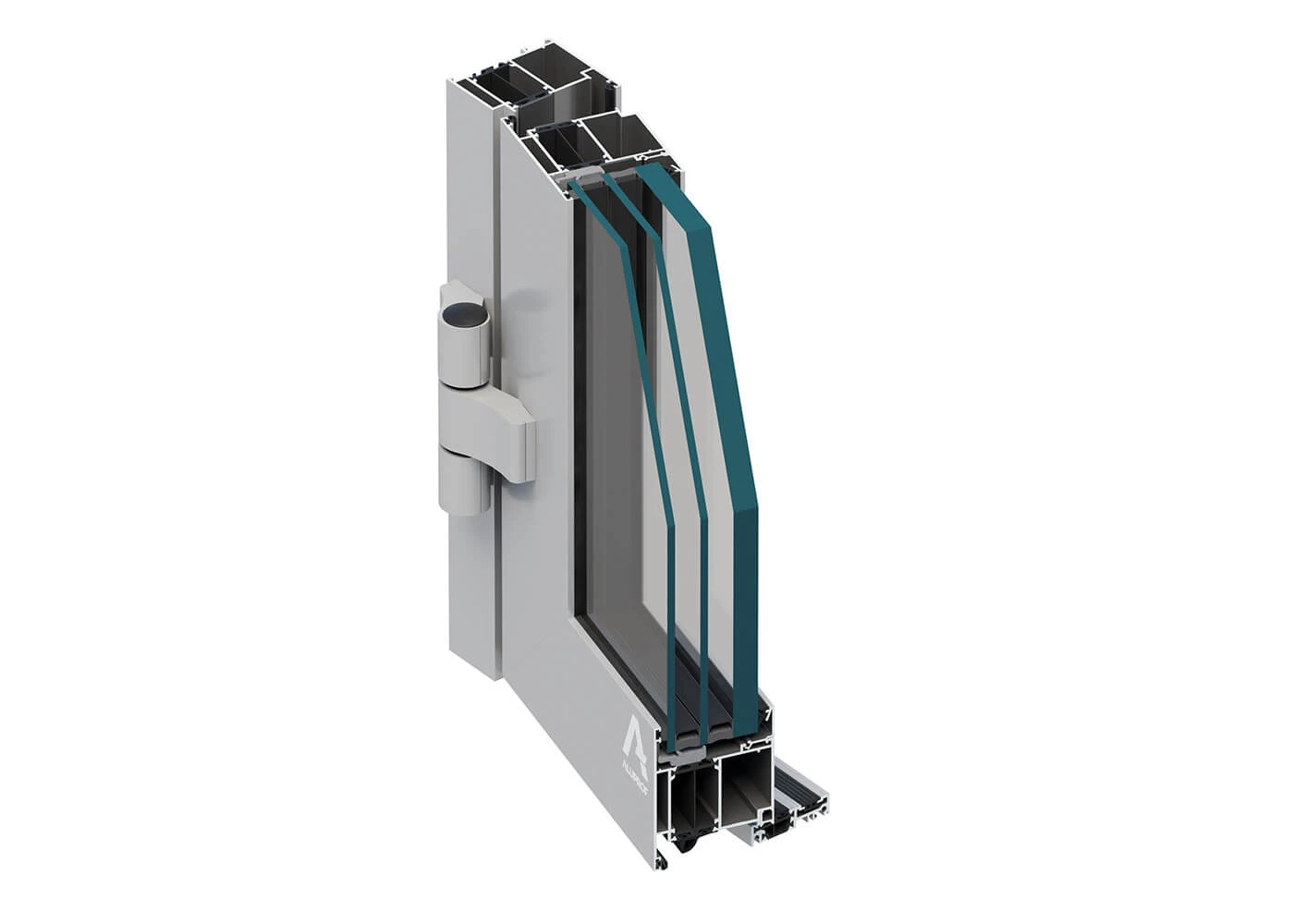
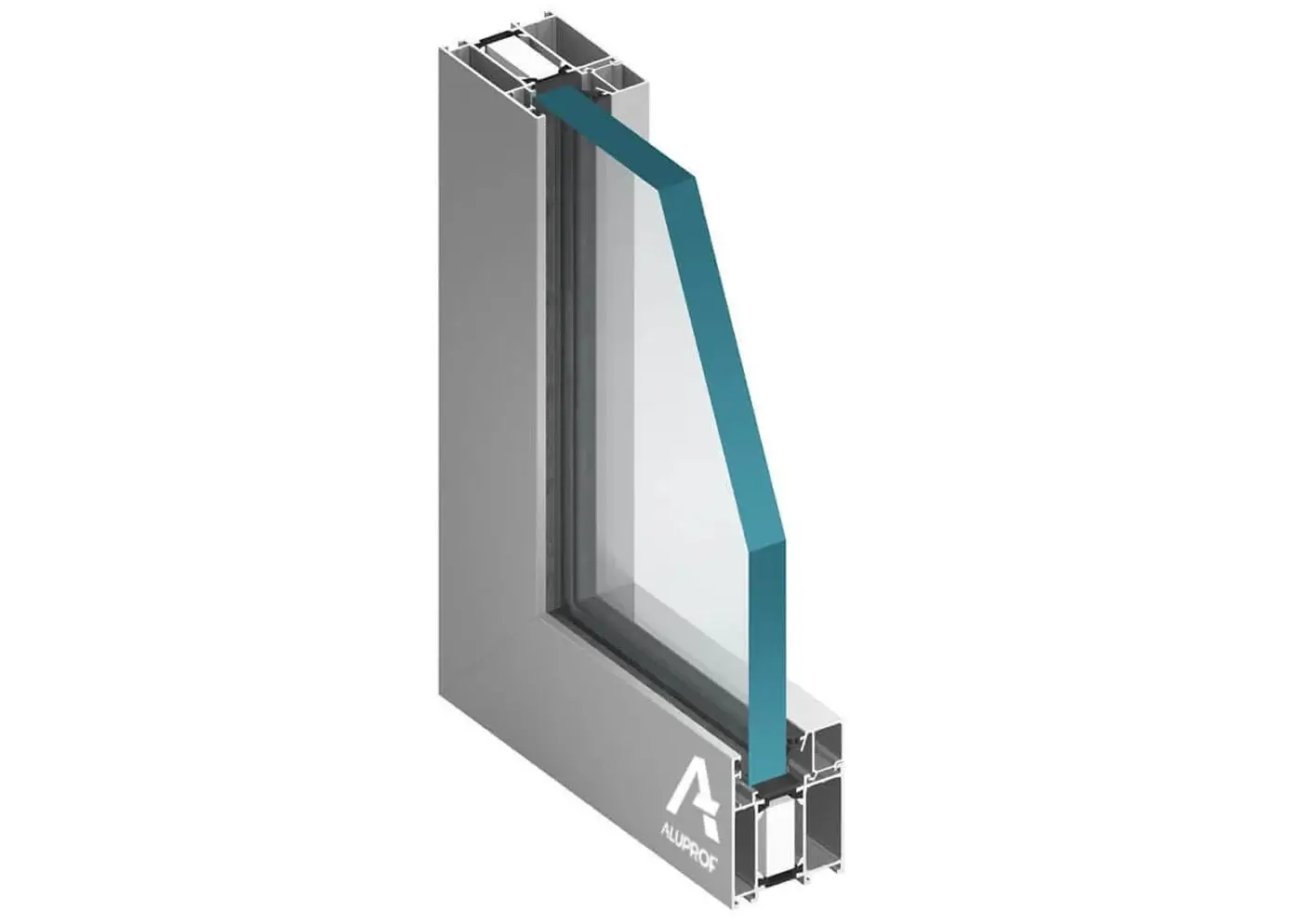
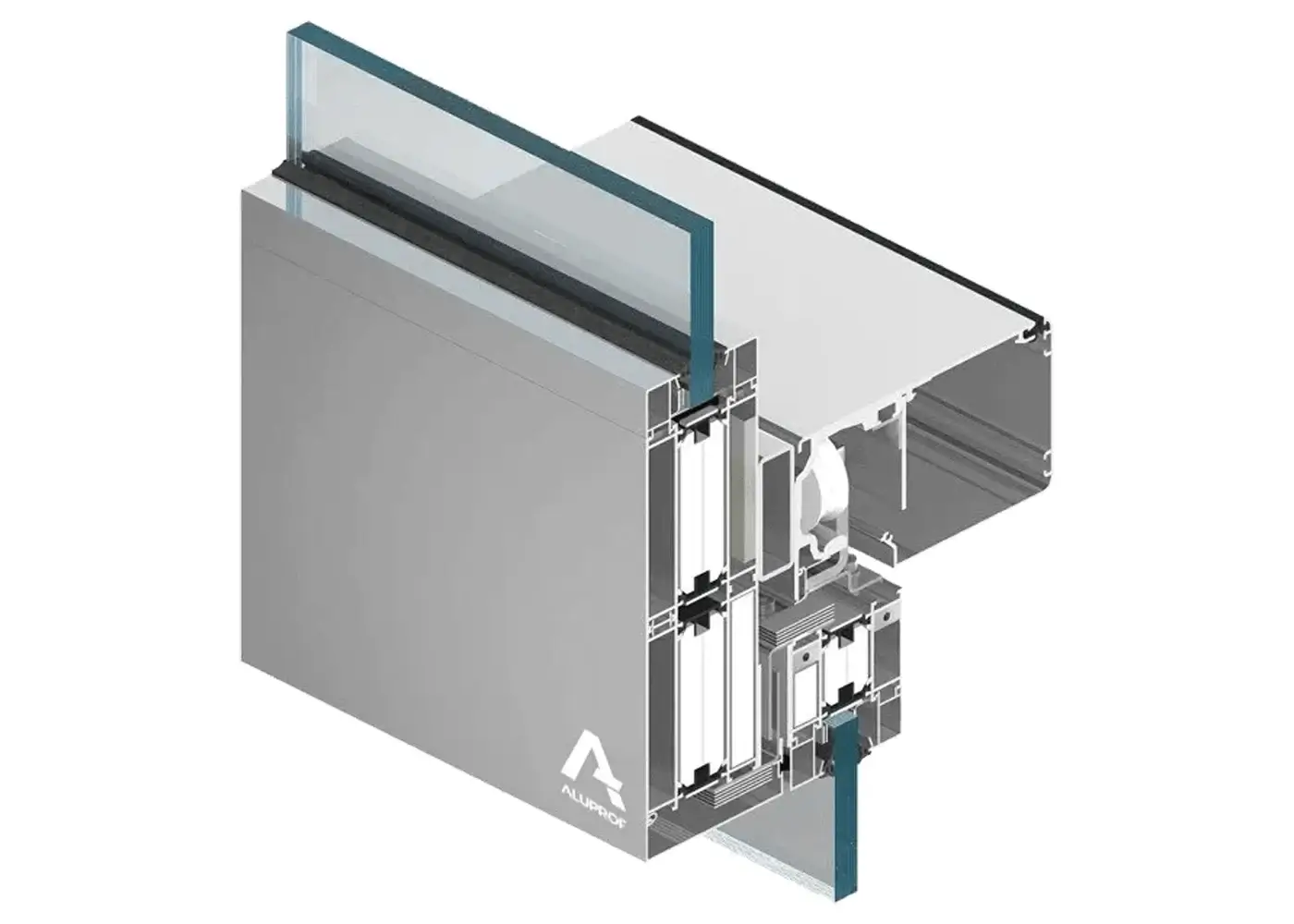
EI60 doors
Project systems MB-86 EI D
Fire Door Maintenance & Inspection
Monthly Routine Checks
-
Gaps: Ensure 2-4mm clearance at sides/top (use a £5 gap gauge).
-
Closers: Test self-closing—door must latch fully from any position.
-
Seals: Check for peeling, damage, or paint blockage (reduces expansion).
-
Hinges: Look for 3+ intact screws per hinge—loose hinges warp doors.
Inspection records should include the door location, date checked, condition, defects found and actions taken. This makes maintenance easier to plan and helps prevent small faults from becoming compliance problems.
How often should fire doors be checked?
6 months: Schools, hospitals, high-rises.
12 months: Low-risk offices/flats (if no defects were found previously).
Get Fire Doors in Liverpool
Our Fire Doors in Liverpool
Frequently Asked Questions
Can I paint a fire door?
Yes, but with strict guidelines to maintain fire resistance.
What’s Allowed:
Water-based paints or intumescent varnishes (no oil-based paints—they can affect seals).
Light coats only (max 5 layers). Never clog hinges, seals, or gaps.
Factory-prepped doors: If already primed/painted, follow the manufacturer’s instructions.
What’s Not Allowed:
Overpainting seals: Intumescent strips must remain exposed to expand in heat.
Hardware: Never paint hinges, closers, or locks—it impedes function.
Fire-rated glass: Paint only the surrounding frame, not the glass itself.
Can fire doors be left open?
No—unless fitted with legal hold-open devices. Fire doors must always self-close to compartmentalize smoke/flames under UK law (Regulatory Reform (Fire Safety) Order 2005).
How long do fire doors last?
Typically 10–30 years, but lifespan depends on:
1. Material & Usage
Timber fire doors: 10–20 years (requires refinishing if scratched/dented).
Steel fire doors: 20–30 years (more durable in high-traffic areas).
Glass fire doors: 15–25 years (frames degrade faster than glass).
2. Maintenance & Compliance
Well-maintained doors last longer:
Annual professional inspections (mandatory for commercial/Liverpool HMOs).
Repainting/seal replacement every 5–7 years.
Neglected doors fail sooner:
Warped frames, broken closers, or painted seals reduce effectiveness.
3. Legal Requirements in Liverpool
The Building Safety Act 2022 requires replacement if:
Damage exceeds 3mm depth (e.g., cracks, holes).
Seals/hardware fail testing (even if the door looks intact).
When to Replace?
Fails 6mm gap test (per BS 8214).
Visible damage (charring, delamination, rust).
Post-fire (even minor exposure compromises integrity).
Are fire doors required in HMOs and flats in Liverpool?
Yes—fire doors are legally mandatory in Houses in Multiple Occupation (HMOs) and purpose-built flats under Liverpool’s stricter fire safety regulations.
What are the potential penalties for landlords and building owners in Liverpool who fail to install fire doors?
Failure to install fire doors in Liverpool can have serious consequences:
– Unlimited fines under the Regulatory Reform (Fire Safety) Order 2005 (e.g., a Croydon landlord fined £48,000 for missing fire doors)
– Criminal prosecution for gross negligence, including potential imprisonment under the Corporate Manslaughter Act 2007 (one managing agent received a 6-month jail term for falsifying records)
– Immediate closure of properties via Liverpool Fire Brigade prohibition notices, leading to costly disruptions
These penalties highlight why fire door compliance isn’t just a legal requirement—it’s a critical safety obligation.
What doors need to be fire doors in the UK?
Fire doors are required in flats, HMOs, commercial buildings, and escape routes (e.g., stairwells, corridors). They’re mandatory where fire compartmentation is needed (Building Regulations Part B).
How to identify fire doors in the UK?
Look for:
– A certification label (usually on the door edge).
– FD30/FD60 markings (30/60-minute fire resistance).
– Intumescent seals around the edges.
– Heavy-duty hinges (usually 3+).
Do fire doors need to be certified in the UK?
Yes, they should meet UKCA/CE marking and be tested to British standards (e.g., BS 476-22 or BS EN 1634-1). Third-party certification (e.g., BWF Certifire) is recommended.
Can you make any door a fire door?
No—fire doors must be specially manufactured, tested, and certified. Retrofitting standard doors is not compliant.
Do I need a fire door if I live in Liverpool?
If your property has shared escape routes, multiple occupancies (flats/HMOs), or is commercial, likely yes. Check Building Regulations Part B or consult a fire safety expert.