


Fire Doors Specialists in Birmingham
Fire Doors Birmingham – Essential for safety and compliance in the UK, fire doors prevent the spread of flames and smoke in buildings. In Birmingham, strict regulations mandate their installation in homes, offices, HMOs, and public spaces across the city and wider West Midlands region.

Our certifications






Fire doors are specially designed doors that prevent the spread of flames and smoke between different sections of a building, providing critical escape time and protecting property. Made from fire-resistant materials such as timber, steel, or glass with intumescent seals, they are a legal requirement in most commercial and residential buildings under UK fire safety regulations. When the doors are closed, they close of flames and toxic smoke, helping to save lives and minimize building damage. In practice, a fire door is only effective when the full door set works together: the leaf, frame, seals, hinges, closer and any glazing must all support the same fire performance. This is why replacing a standard internal door with a labelled fire door alone is not enough if the frame, gaps or hardware are unsuitable.
What Are The Fire Door Regulations in Birmingham?
Fire doors in Birmingham must comply with strict regulations to ensure building safety and legal compliance. The primary legislation includes UK Building Regulations (Approved Document B), which mandates fire doors in residential and commercial properties to prevent the spread of flames and smoke.
Escape routes, flats, HMOs, and multi-storey buildings require certified fire doors with appropriate fire resistance ratings. For local landlords, facilities managers and business owners, this means fire doors should be treated as part of the building’s fire risk strategy rather than a one-off purchase. The correct specification protects stairwells, corridors, plant rooms and flat entrances, while also keeping everyday access practical for residents, staff and visitors.
Fire Door Regulations and Standards
Under The Regulatory Reform (Fire Safety) Order 2005, landlords, business owners, and responsible persons must ensure fire doors are correctly installed and maintained. Every fire door must meet British Standards (BS 476 & BS EN 1634), which classify their fire resistance—FD30 (30 minutes), FD60 (60 minutes), FD90 (90 minutes), and FD120 (120 minutes)—depending on the building’s risk level.
What Has Changed With The Fire Door Laws?
The Fire Safety Act 2021 and Building Safety Act 2022, have tightened fire door regulations, particularly for multistorey residential buildings. These laws emphasize proper documentation, third-party certification, and stricter enforcement to prevent tragedies. Non-compliant properties risk fines and penalties, making professional installation and regular maintenance essential.
Keeping records of fire door checks also helps responsible persons show that inspections, maintenance and repairs are being managed consistently. This is especially useful in multi-occupied buildings, where communal doors and flat entrance doors are used daily and may develop defects through impact, wear or incorrect adjustment.

What Types of Fire Doors Are Available in Birmingham?
1. Timber Fire Doors – Most common in homes and offices, offering a balance of safety and aesthetics.
2. Steel Fire Doors – Highly durable, often used in industrial settings or high-security areas.
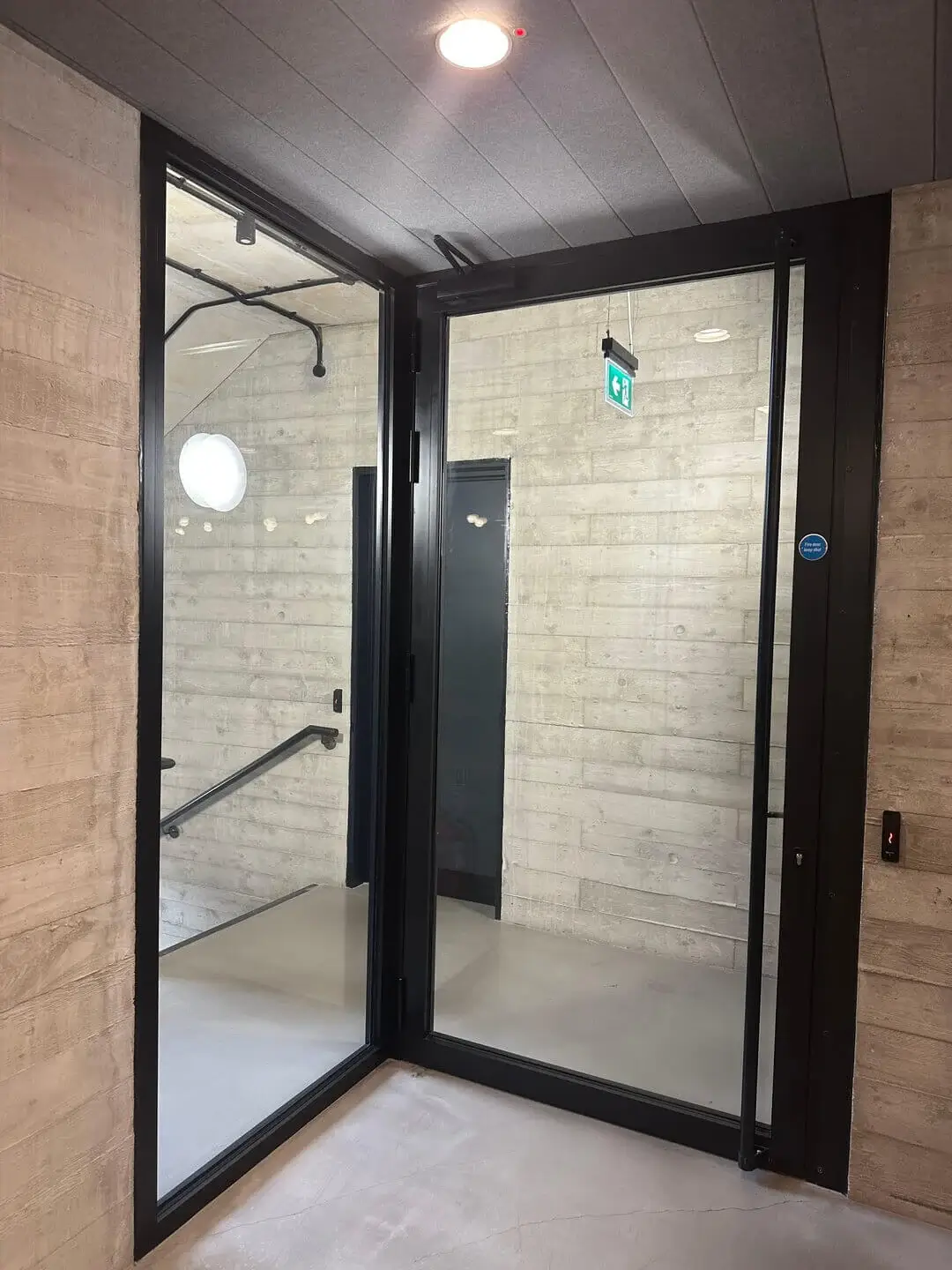
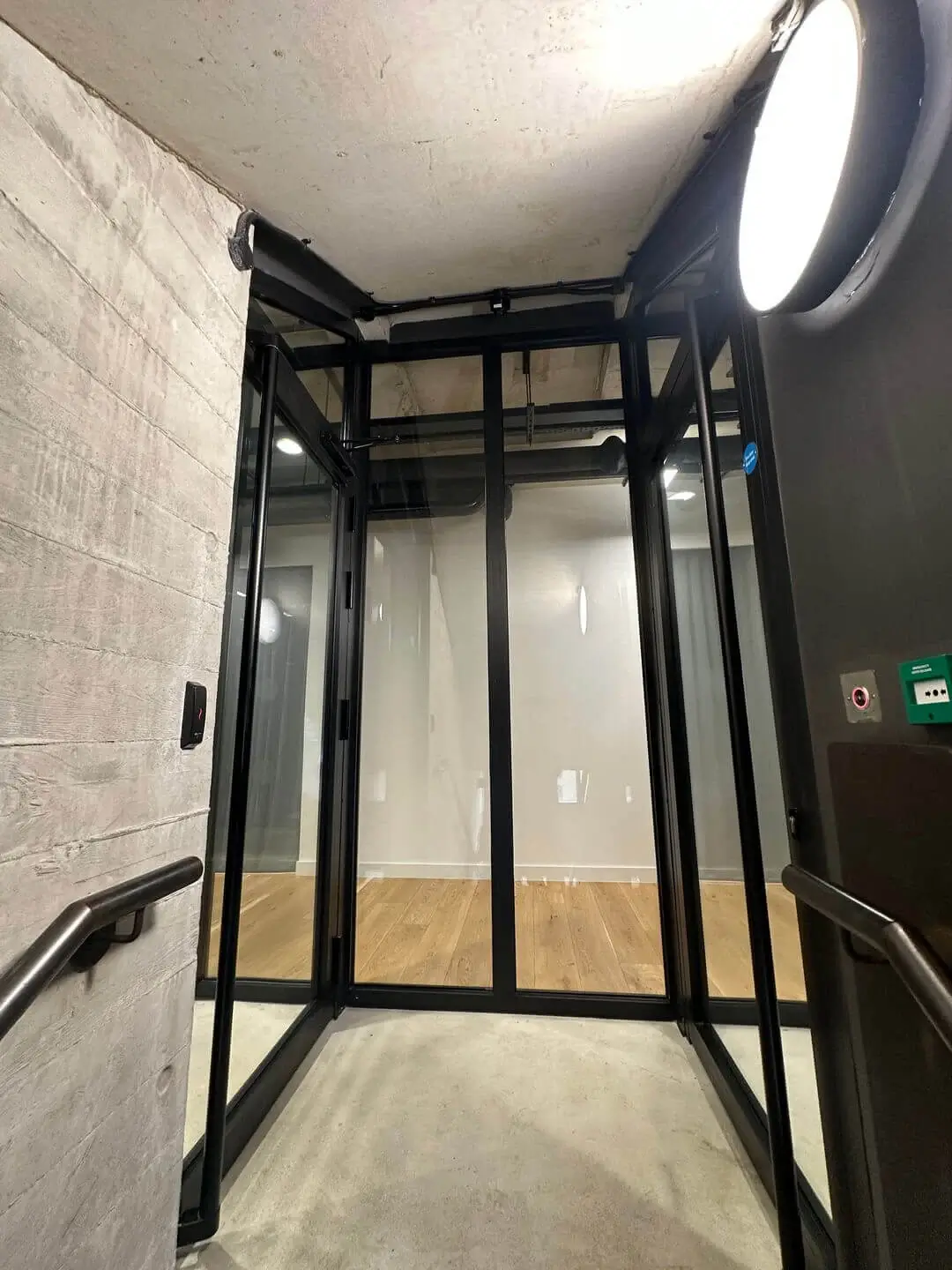
3. Glass Fire Doors – Feature fire-resistant glazing, ideal for modern offices while maintaining safety.
Timber, steel and glazed systems each suit different environments, so the choice should reflect both risk and daily use. A busy commercial entrance needs durability and reliable closing, while an office corridor may also need visibility, acoustic comfort or a finish that matches the interior design.
Types of Fire Door Resistance Ratings
– FD30 (30 mins) – Standard for flats and residential buildings. (Source)
– FD60 (60 mins) – Required in commercial spaces and escape routes. (Source)
– FD90/FD120 (90-120 mins) – Used in high-risk areas like industrial sites and high-rises. (Source)
Optional Features of Fire Doors in Birmingham
1. Acoustic Fire Doors – Combine fire resistance with soundproofing, ideal for schools, hotels, and offices needing noise control.
2. Security-Rated Fire Doors – Reinforced against forced entry while maintaining fire protection, used in banks, government buildings, and high-risk facilities.
3. Smoke-Sealed Fire Doors – Feature advanced intumescent and cold smoke seals to block toxic fumes, critical for hospitals, care homes, and escape routes.
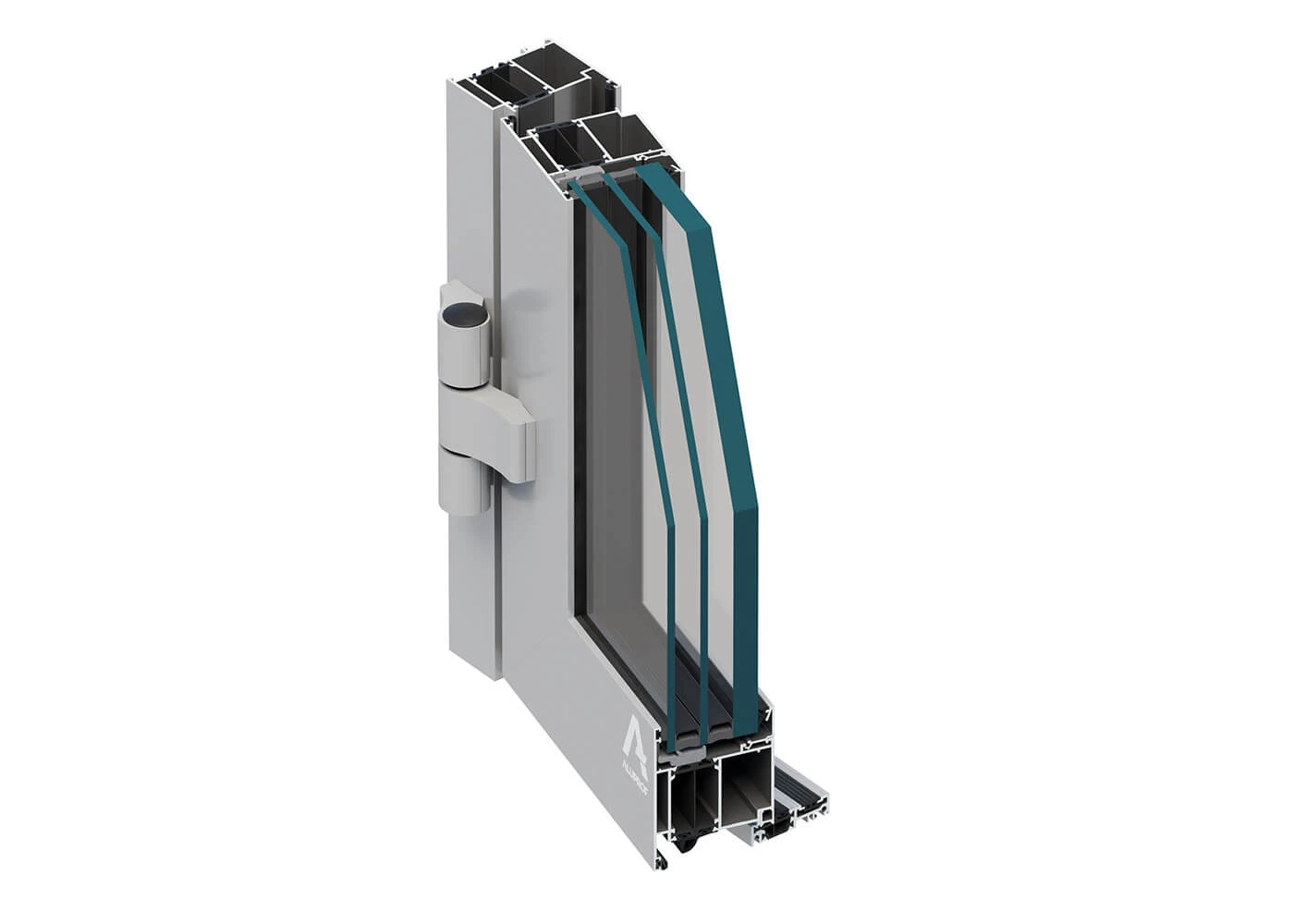
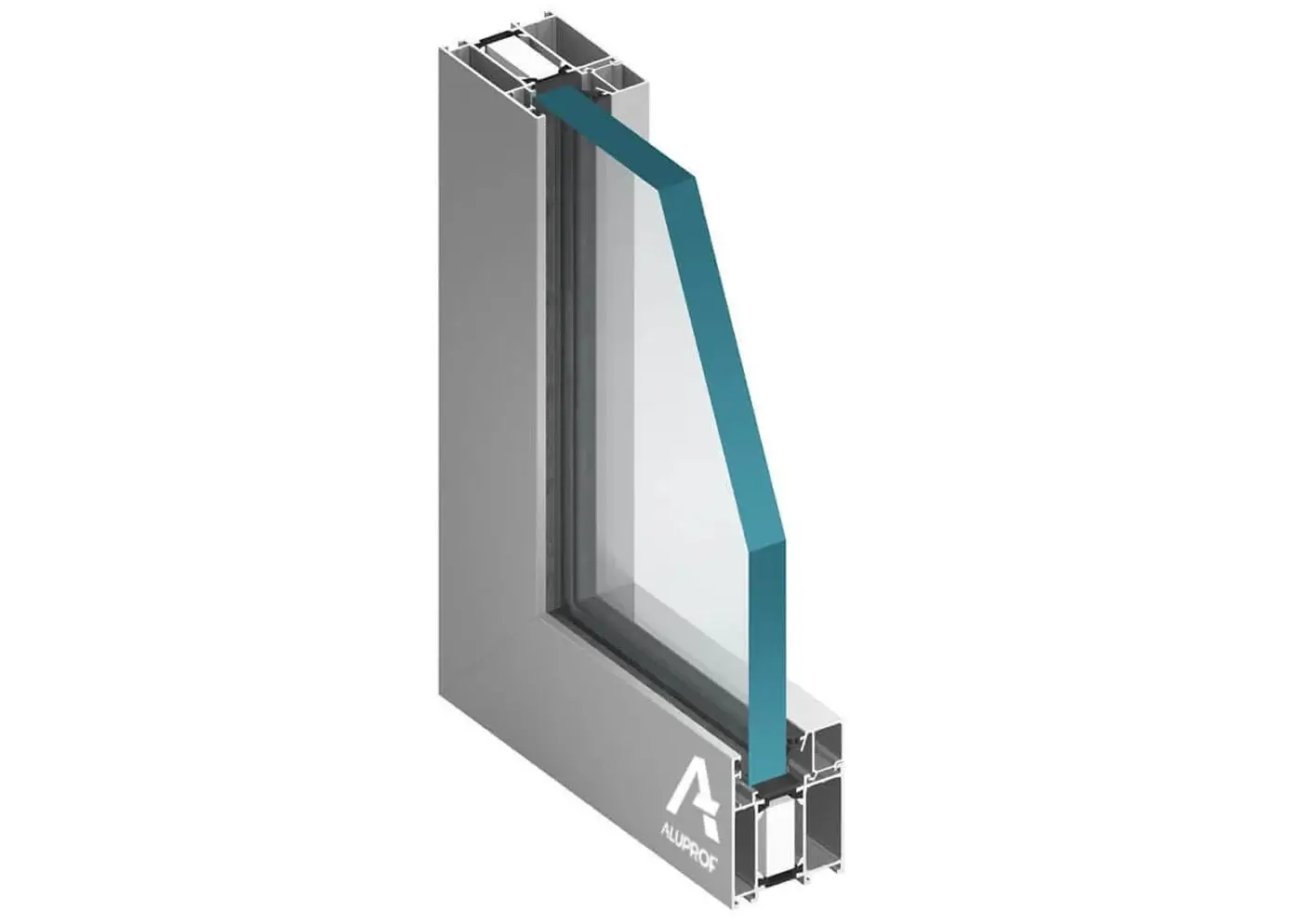
Fire Door Products We Offer in Birmingham
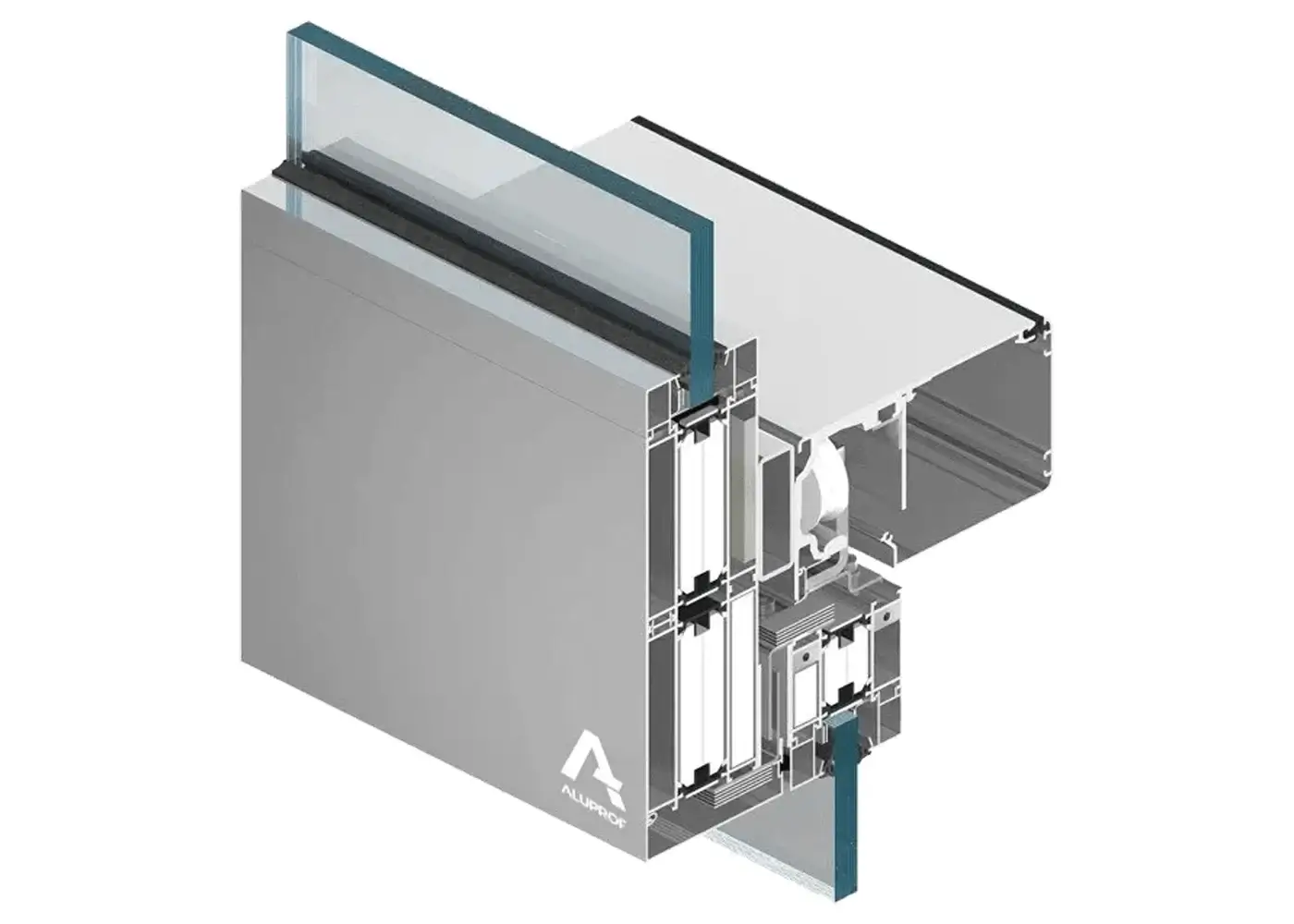
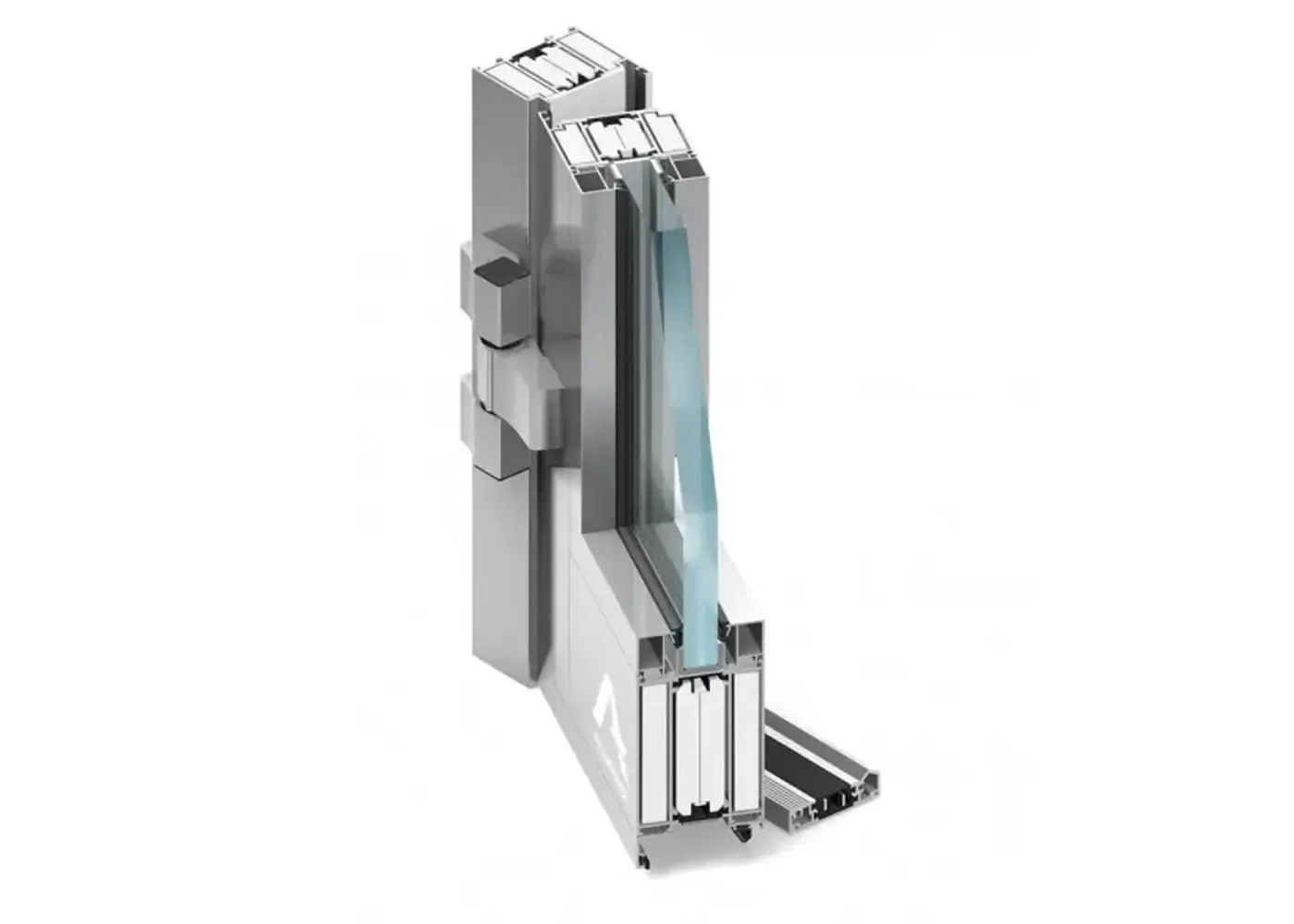
Interested in Fire Doors?
Ensure your property meets Birmingham’s strict fire safety regulations with certified fire doors. From FD30 residential doors to FD120 industrial solutions, we supply, install, and maintain fire doors. Contact us to get a quote!
The Main Components of a Fire Door
Every fire door is engineered with flame safety system, each component is critical in containing fires. The performance also depends on how accurately the components are fitted together. A certified door leaf loses value if it is installed into the wrong frame, cut excessively on site or combined with non-rated ironmongery. Each part should match the intended fire rating of the complete door set. What each component does:
Fire-Resistant Door Leaf – The core structure, constructed from certified materials (solid timber, steel, or composite) to withstand intense heat.
Intumescent Seals – Expand up to 10x when heated (typically at 200°C), sealing gaps to block flames and smoke. Cold smoke seals may be added to prevent early smoke infiltration.
Hinges – Minimum 3 per door (4 for heavier models), all CE-marked and fire-rated to avoid melting or warping under heat.
Door Closers – Automatic self-closing mechanisms ensure doors shut independently—a legal requirement for compartmentation. Hydraulic or spring-based models must adjust to close firmly without slamming.
Locks & Latches – Must be fire-rated (tested to BS EN 12209) and non-combustible. Mortice locks or panic hardware are common, depending on building use.
Vision Panels (if fitted) – Use ceramic or wired fire glass (tested to BS 476-22) in steel or timber frames. Size and placement are regulated to maintain integrity.
Why Specialists Must Install Fire Doors?
An incorrectly fitted fire door will fail when it matters most. Even minor installation errors can have fatal consequences: gaps wider than 3mm allow smoke to penetrate, and misaligned self-closers may prevent the door from sealing shut. In Birmingham, as across the UK, the Building Safety Act 2022 requires third-party certified installers for fire door work to ensure full compliance.
Common Fire Door Installation Mistakes to Avoid
-
Incorrect gaps: Must be 2-4mm around edges (measured with a gap gauge).
-
Missing/intact seals: Intumescent strips must be continuous—no breaks around hinges.
-
Wrong hardware: Using non-fire-rated hinges, closers, or locks reduces effectiveness.
-
Poor framing: Fire doors require certified frames (not standard timber) with matching fire resistance.
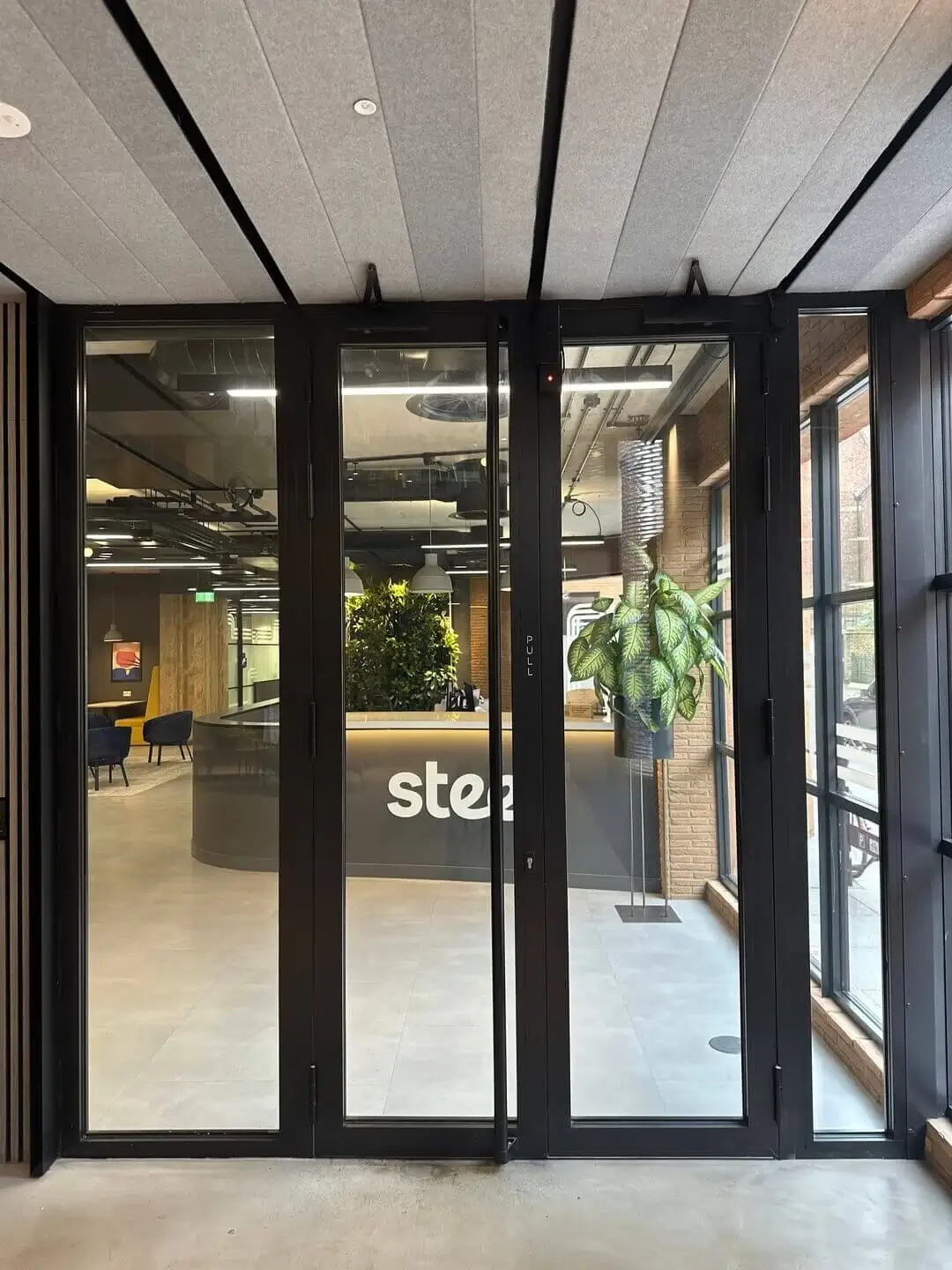
Our most recent completed project

EI60 doors
Project systems MB-86 EI D
Fire Door Maintenance & Inspection
Monthly Routine Checks
Gaps: Ensure 2-4mm clearance at sides/top (use a £5 gap gauge).
Closers: Test self-closing—door must latch fully from any position.
Seals: Check for peeling, damage, or paint blockage (reduces expansion).
Hinges: Look for 3+ intact screws per hinge—loose hinges warp doors.
Inspection records should note the date, door location, condition, defects found and action taken. This is useful for responsible persons because fire doors in communal areas and flat entrances may need evidence of regular checks, especially in multi-occupied residential buildings and higher-risk premises. Repairs should be completed with compatible fire-rated parts, not temporary materials.
How often should fire doors be checked?
6 months: Schools, hospitals, high-rises.
12 months: Low-risk offices/flats (if no defects were found previously).
Get Fire Doors in Birmingham
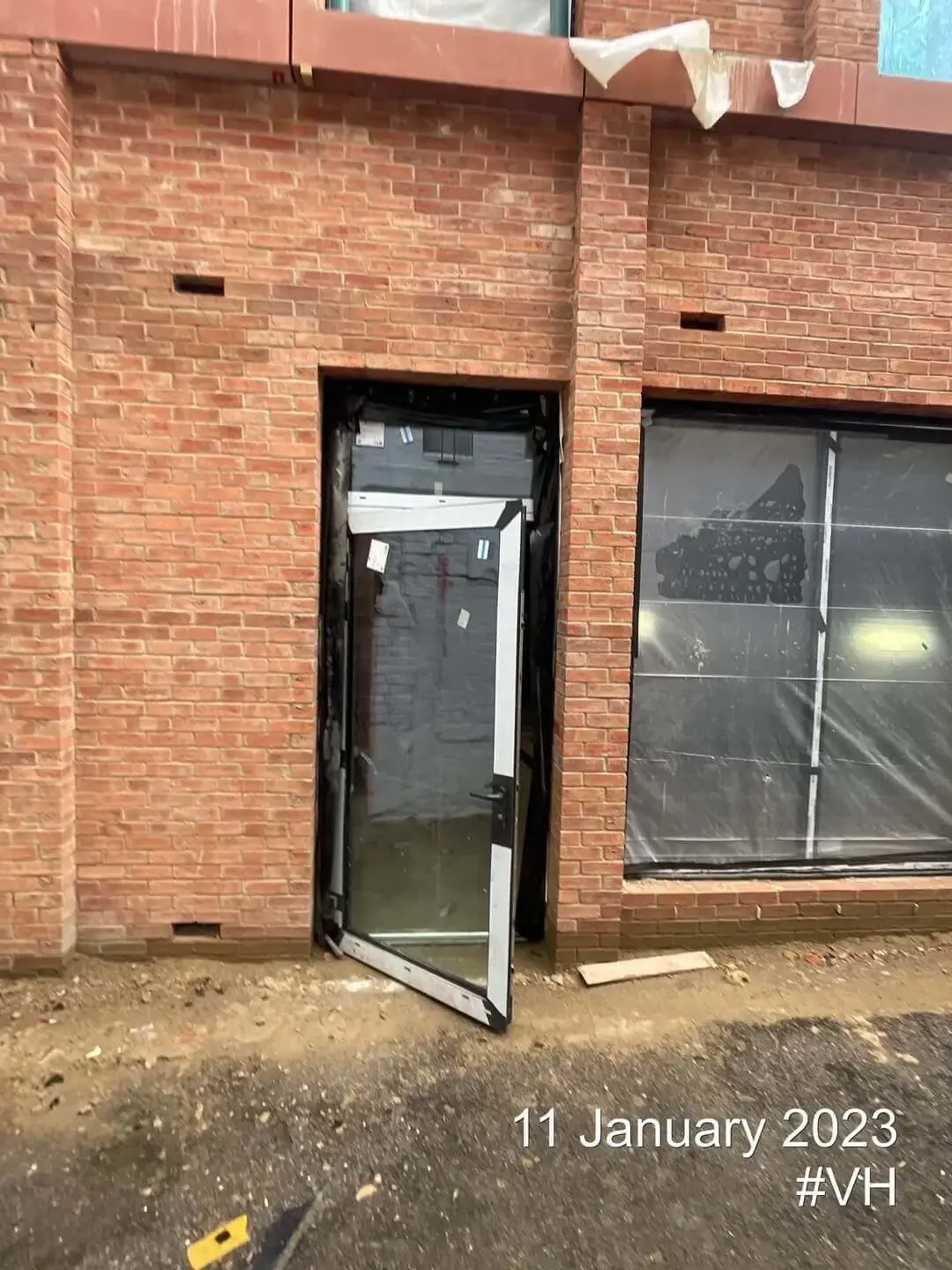
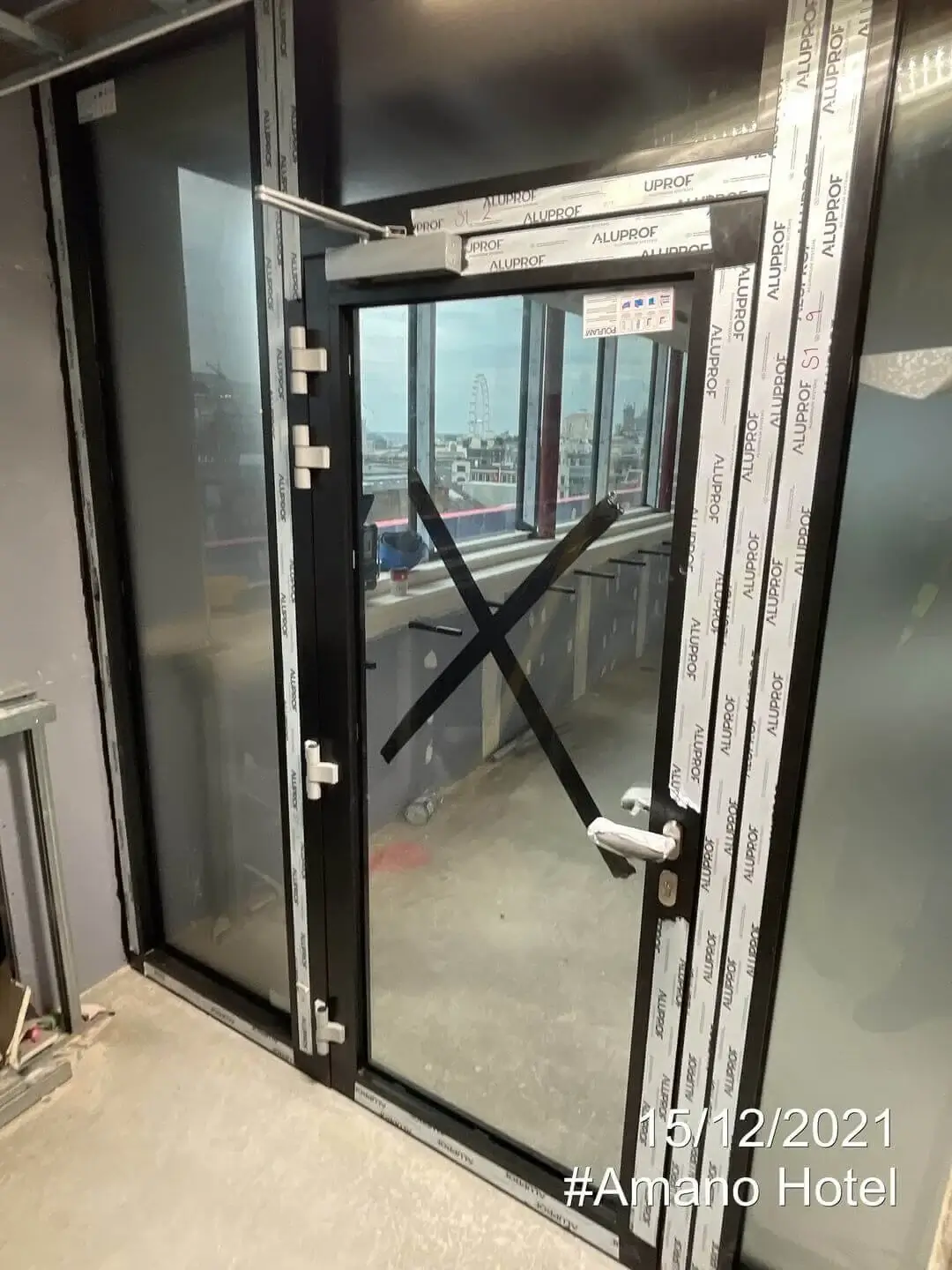
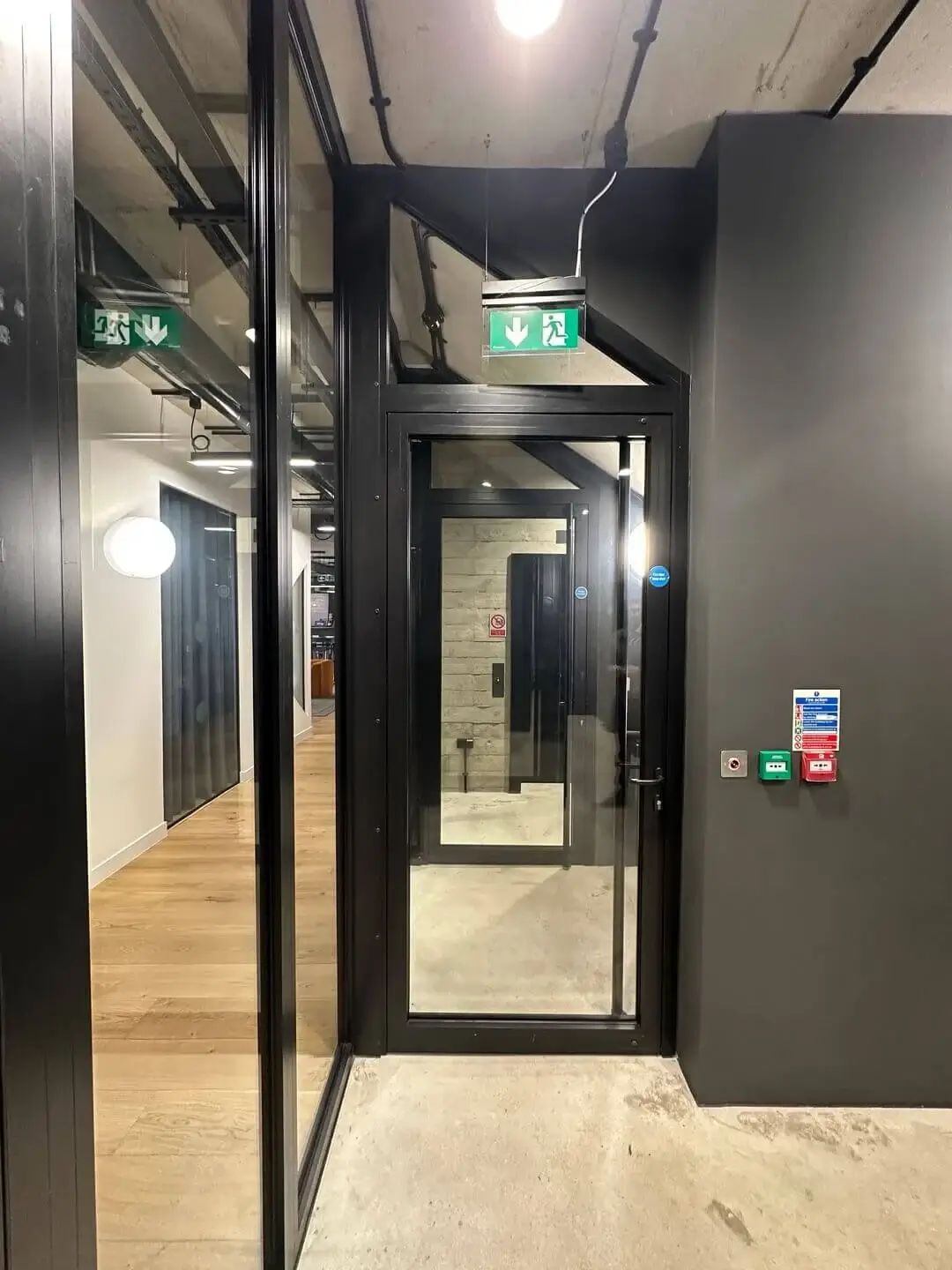
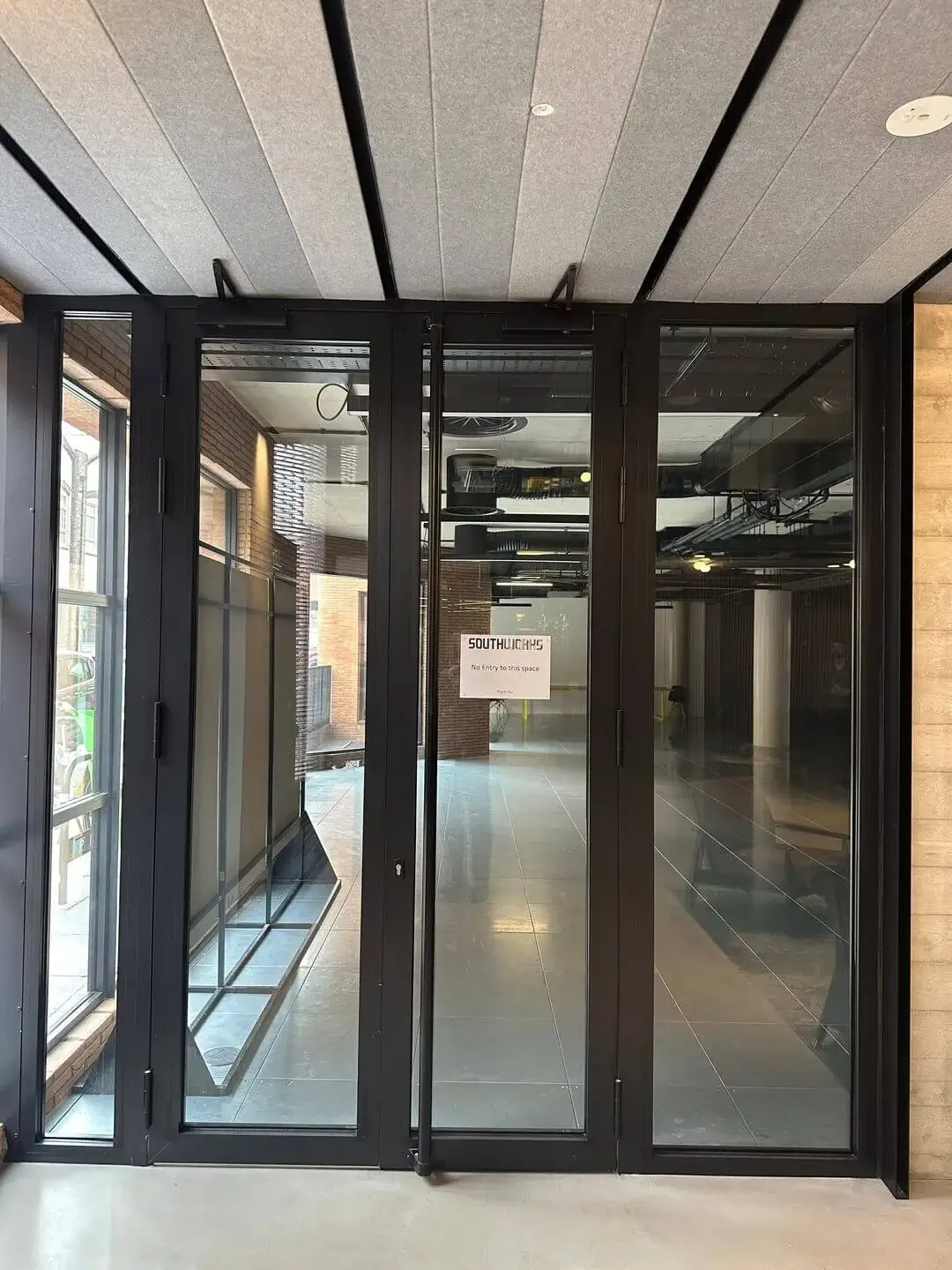
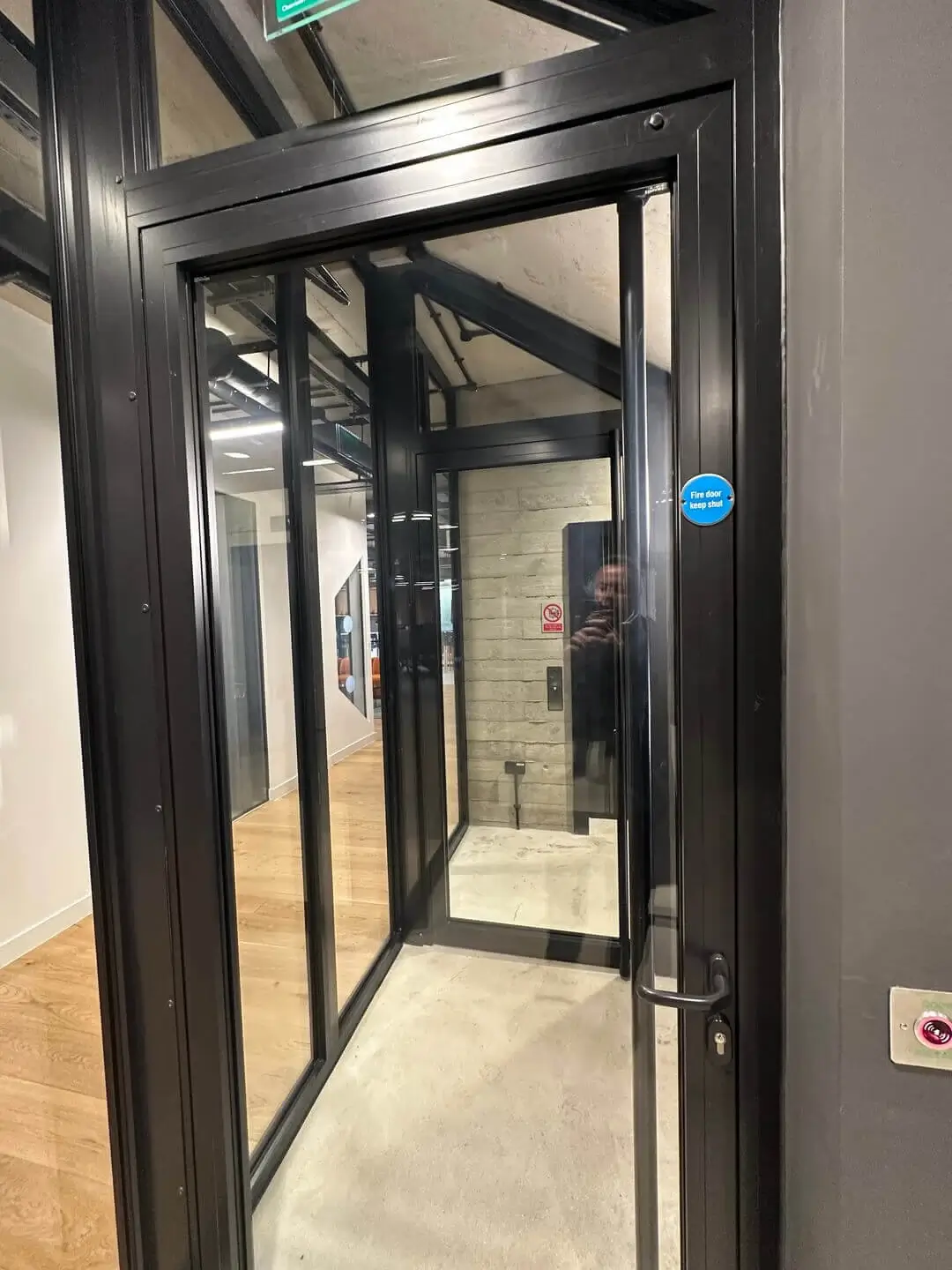
Our Fire Doors in Birmingham
Frequently Asked Questions
Can I paint a fire door?
Yes, but with strict guidelines to maintain fire resistance.
What’s Allowed:
Water-based paints or intumescent varnishes (no oil-based paints—they can affect seals).
Light coats only (max 5 layers). Never clog hinges, seals, or gaps.
Factory-prepped doors: If already primed/painted, follow the manufacturer’s instructions.
What’s Not Allowed:
Overpainting seals: Intumescent strips must remain exposed to expand in heat.
Hardware: Never paint hinges, closers, or locks—it impedes function.
Fire-rated glass: Paint only the surrounding frame, not the glass itself.
Can fire doors be left open?
No—unless fitted with legal hold-open devices. Fire doors must always self-close to compartmentalize smoke/flames under UK law (Regulatory Reform (Fire Safety) Order 2005).
How long do fire doors last?
Typically 10–30 years, but lifespan depends on:
1. Material & Usage
Timber fire doors: 10–20 years (requires refinishing if scratched/dented).
Steel fire doors: 20–30 years (more durable in high-traffic areas).
Glass fire doors: 15–25 years (frames degrade faster than glass).
2. Maintenance & Compliance
Well-maintained doors last longer:
Annual professional inspections (mandatory for commercial/Bristol HMOs).
Repainting/seal replacement every 5–7 years.
Neglected doors fail sooner:
Warped frames, broken closers, or painted seals reduce effectiveness.
3. Legal Requirements
The Building Safety Act 2022 requires replacement if:
Damage exceeds 3mm depth (e.g., cracks, holes).
Seals/hardware fail testing (even if the door looks intact).
When to Replace?
Fails 6mm gap test (per BS 8214).
Visible damage (charring, delamination, rust).
Post-fire (even minor exposure compromises integrity).
Are fire doors required in HMOs and flats in Birmingham?
Yes. Fire doors are legally mandatory in all Houses in Multiple Occupation (HMOs) and purpose-built flats in Birmingham under the Regulatory Reform (Fire Safety) Order 2005 and the Housing Act 2004. Birmingham City Council’s licensing requirements for HMOs specifically mandate compliant fire doors on all habitable rooms opening onto escape routes. Non-compliant landlords risk licence revocation, unlimited fines, and prohibition notices.
What are the penalties for non-compliance in Birmingham?
Failure to install and maintain compliant fire doors in Birmingham can result in unlimited fines under the Regulatory Reform (Fire Safety) Order 2005, criminal prosecution for gross negligence (including potential imprisonment under the Corporate Manslaughter Act 2007), and immediate closure of properties via West Midlands Fire Service prohibition notices. Birmingham City Council may also revoke HMO licences and pursue civil enforcement action. Fire door compliance is a critical legal obligation – not an optional upgrade.
What doors need to be fire doors in the UK?
Fire doors are required in flats, HMOs, commercial buildings, and escape routes (e.g., stairwells, corridors). They’re mandatory where fire compartmentation is needed (Building Regulations Part B).
How to identify fire doors in the UK?
Look for:
– A certification label (usually on the door edge).
– FD30/FD60 markings (30/60-minute fire resistance).
– Intumescent seals around the edges.
– Heavy-duty hinges (usually 3+).
Do fire doors need to be certified in the UK?
Yes, they should meet UKCA/CE marking and be tested to British standards (e.g., BS 476-22 or BS EN 1634-1). Third-party certification (e.g., BWF Certifire) is recommended.
Can you make any door a fire door?
No—fire doors must be specially manufactured, tested, and certified. Retrofitting standard doors is not compliant.
Do I need a fire door in my Birmingham home?
If your property has shared escape routes, is a flat within a multi-storey building, is an HMO, or has any commercial usage, fire doors are almost certainly a legal requirement. Even for owner-occupied properties with internal conversions, Building Regulations may apply. Consult a qualified fire safety specialist to confirm your obligations under current UK legislation.