Where are 2 hour fire rated doors needed?
The door follows the wall, and the wall follows the building. Approved Document B (ADB), the fire safety guidance for England, sets a minimum period for the structure and compartment walls of each building according to its use, its height and whether sprinklers are fitted. Two hours sits at the top end of that range.
You are most likely to meet a 120 minute requirement in these places:
- Taller buildings, broadly those with a top floor above about 30 m, where the structure and key compartment walls step up to two hours
- Walls separating one building from another, such as a terrace of industrial units or a block built hard against its neighbour
- Large storage and industrial buildings, especially without sprinklers, where the fuel load is high
- Basement plant rooms, switch rooms and transformer rooms in larger buildings
- Bespoke fire strategies, where a fire engineer sets two hours for a particular wall or enclosure
Once a wall carries 120 minutes, ADB asks in many positions for any door in it to match. That is where the 120 minute fire door enters the schedule.
When the door can be lighter than the wall
Not every opening in a two-hour wall needs a two-hour door, and checking this saves real money. For some positions, including doors into certain protected stairs, the guidance accepts a door rated at half the wall’s period, with a minimum of 30 minutes and smoke seals. Half of 120 is 60, so those openings take an ordinary FD60.
Door schedules for large buildings often take the blanket approach: every opening in a 120 minute wall marked FD120, whether it needs it or not. Go through the schedule line by line with the fire strategy beside you before anything goes to order.
Why are most 120 minute fire doors made of steel?
Because timber runs out of material. A wooden door resists fire by charring slowly from the exposed face inwards, and the char protects what lies behind it. Thirty minutes of that is easy. An hour takes a thicker, denser leaf. Two hours asks the timber to survive more than twice as long at higher temperatures, and the leaf needed to do it becomes thick, heavy and expensive.
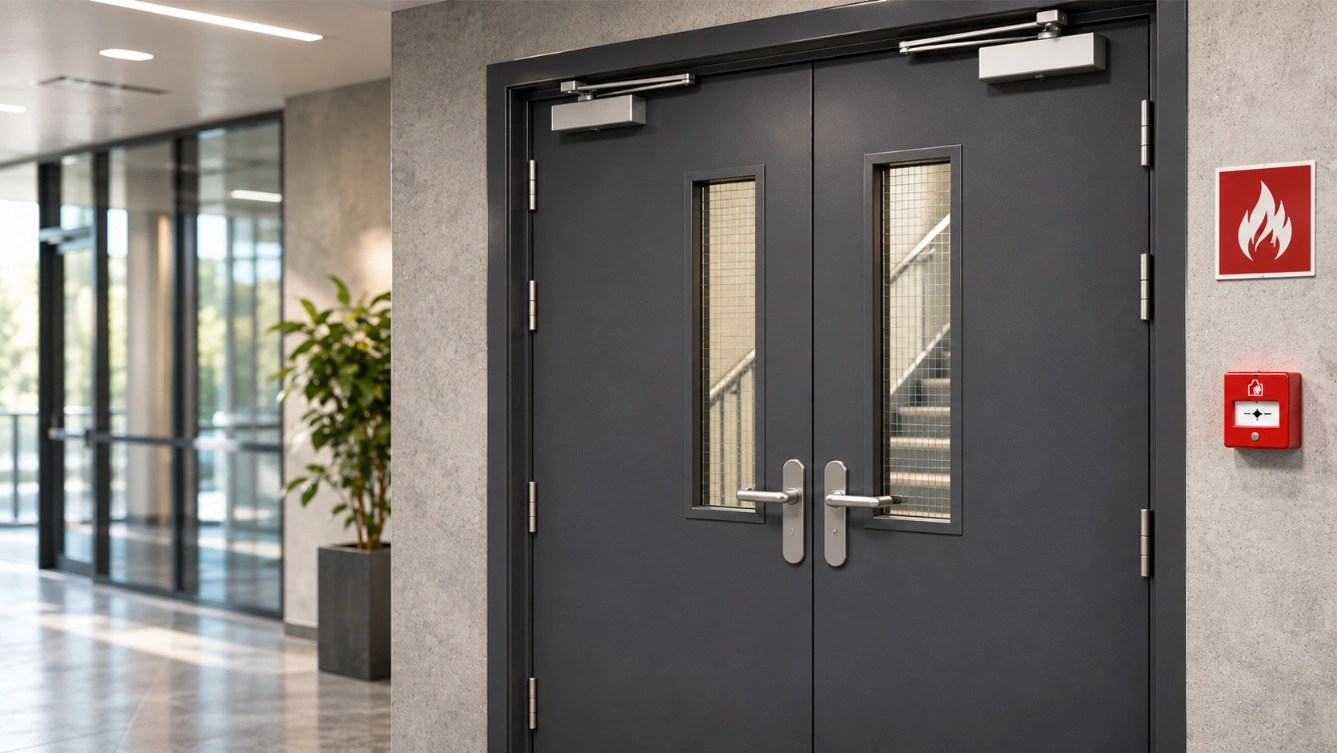
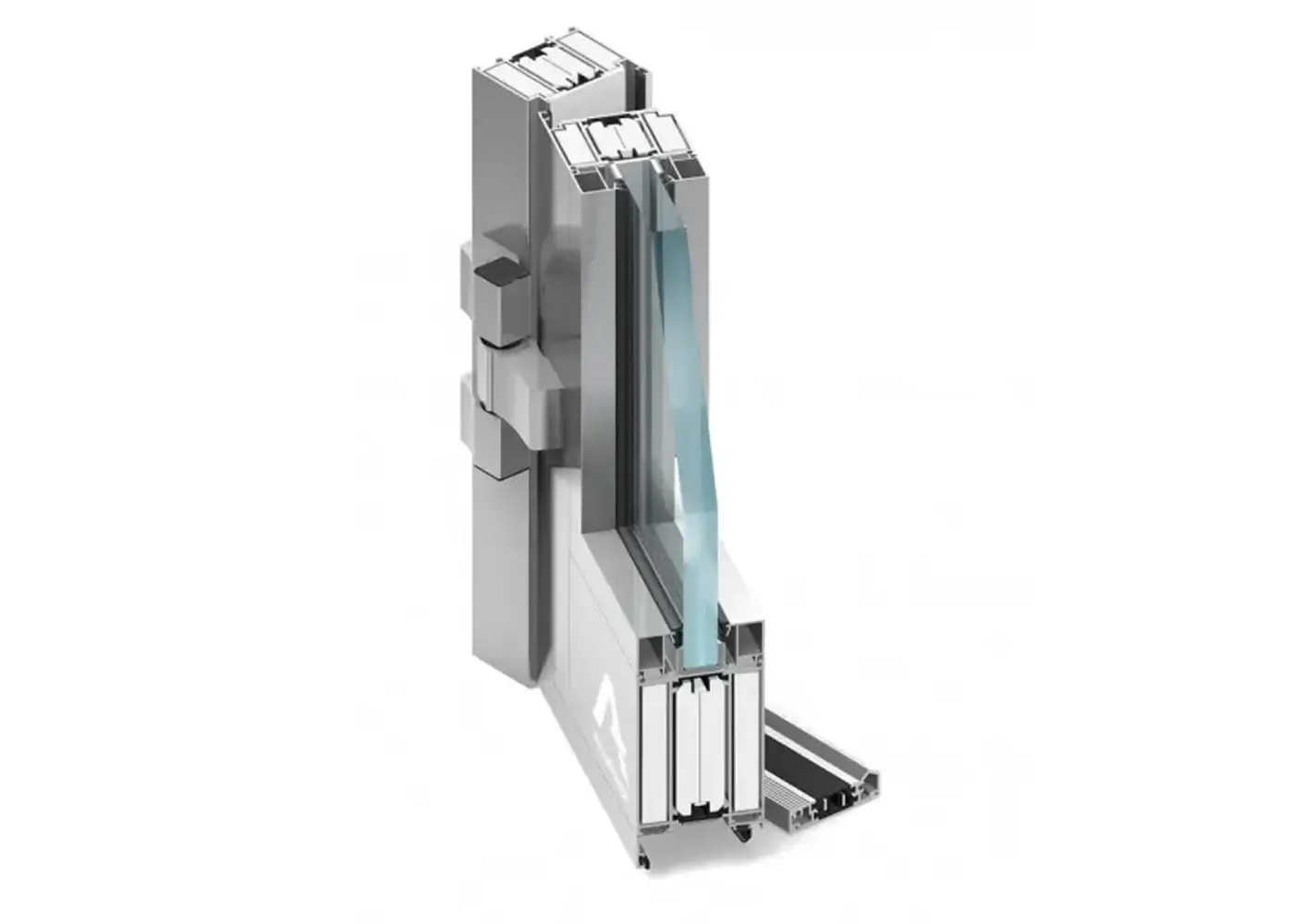
Steel doorsets solve the problem differently. A pair of steel skins encloses a mineral infill that does the insulating work, and the steel itself does not burn. Two-hour performance comes without great thickness, and the same construction handles impact, trolleys and damp plant rooms far better than a veneered leaf. Hörmann, for example, lists steel fire doors in its UK range rated well beyond two hours, and most specialist steel door makers offer similar ranges with 120 minutes as a standard option, not a special order.
That is why the FD120 fire door on most projects is a steel doorset in a pressed steel frame.
Timber versions do exist. A handful of manufacturers hold evidence for 120 minute timber doorsets, usually with composite cores, heavy hardwood frames and tight limits on size and hardware. They make sense where appearance matters, such as a two-hour wall running through a hotel or office reception, and a steel door would look out of place. Expect a longer wait, a higher price and less choice of ironmongery.
Integrity is not the same as insulation
A plain FD120 rating covers integrity: flames and hot gases stay on the fire side for two hours. It does not promise that the far face stays cool.
This matters more at two hours than at any shorter period. After 120 minutes in a furnace, an uninsulated steel leaf can be hot enough to ignite anything leaning against it. Where people pass close by, or goods sit near the door, you need insulation as well, written EI120 in the European system, and the infill and frame have to be designed for it. Check which one the fire strategy asks for before choosing a product, because a door rated E120 alone can be the wrong door in the right wall.
Can a 120 minute fire rated door have a vision panel?
Yes, though every extra minute narrows the options, and two hours narrows them a long way.
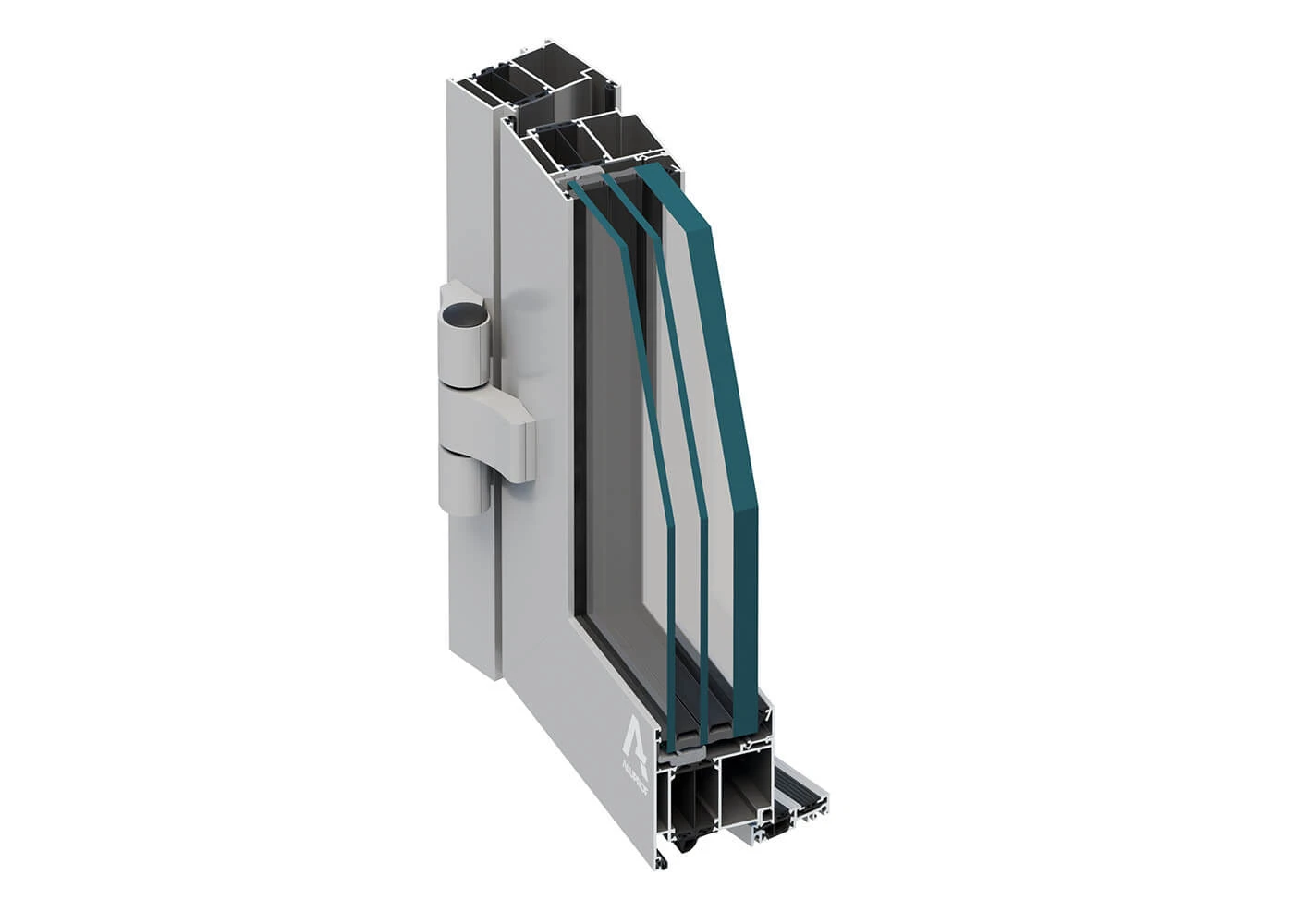
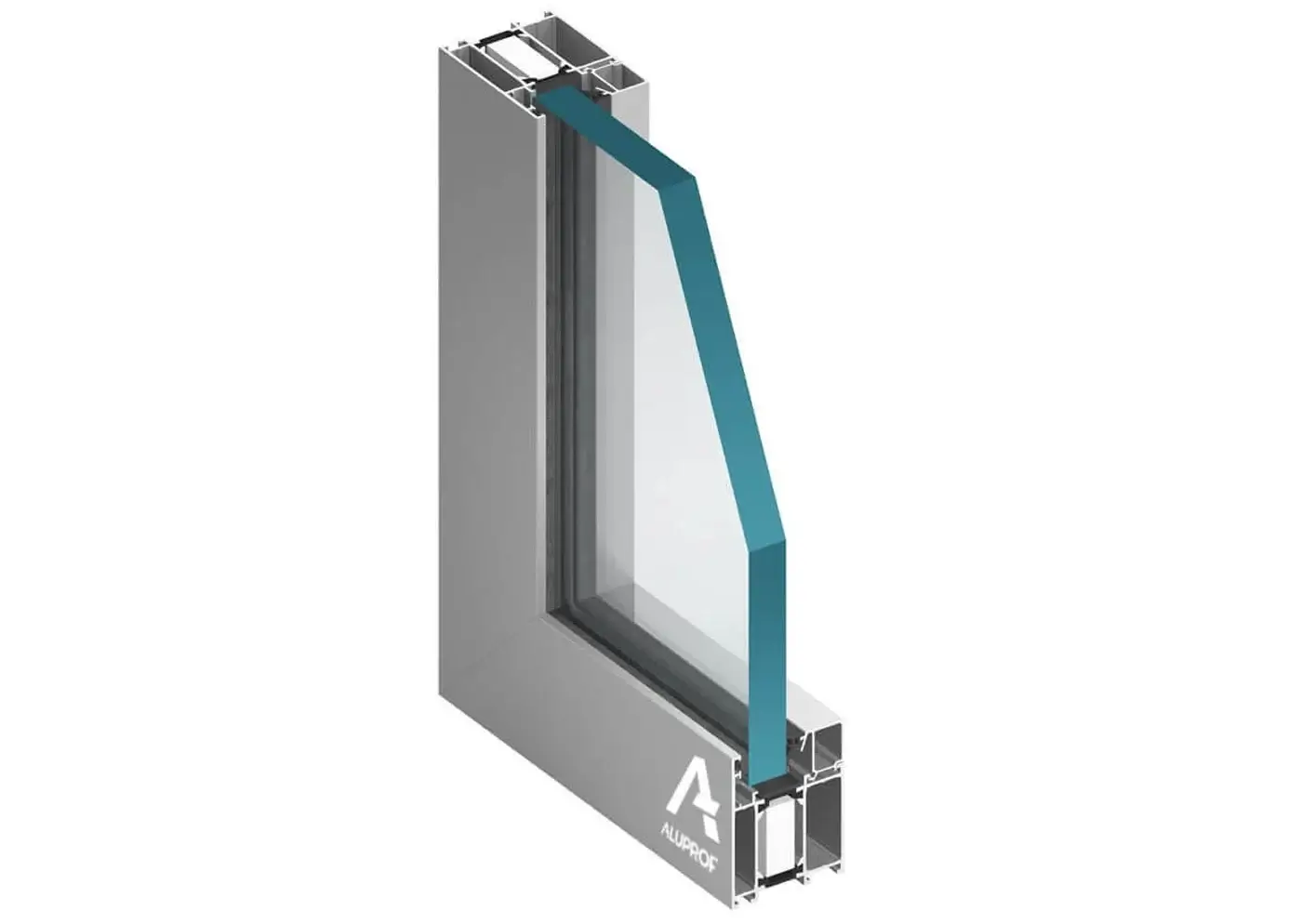
The glass that makes this possible is one of the quietly remarkable products in passive fire protection, and it is the part of the subject FireResist works with every day. Insulating fire glass, sold under names such as Pilkington Pyrostop and Pyroguard, stacks clear panes with transparent interlayers between them. In a fire the layers nearest the heat turn opaque and foam into a dense insulating barrier, one after another, so the room on the safe side stays cool while flames press against the other face. Integrity-only glass, by contrast, holds back flame but lets the heat radiate through.
At 120 minutes the insulating type becomes thick and heavy, commonly several times the thickness of a 30 minute pane. That weight feeds into the leaf, the hinges and the closer, and manufacturers allow smaller apertures at two hours than at an hour. A vision panel that sits comfortably in an FD60 may not appear in the FD120 version of the same range at all.
Where the glass sits matters too. ADB restricts uninsulated glazing along escape routes and in several positions allows it only above 1,100 mm from the floor, so that people crouching under smoke are not exposed to radiant heat. Low or large panels in a two-hour door almost always mean insulating glass.
One rule is absolute. The panel must come from the door manufacturer or a converter licensed under its certification, using the glass, beads and seals the evidence lists. Cutting a vision panel into a fire door on site is a false economy at any rating; at two hours it throws away the most expensive part of the door’s performance.
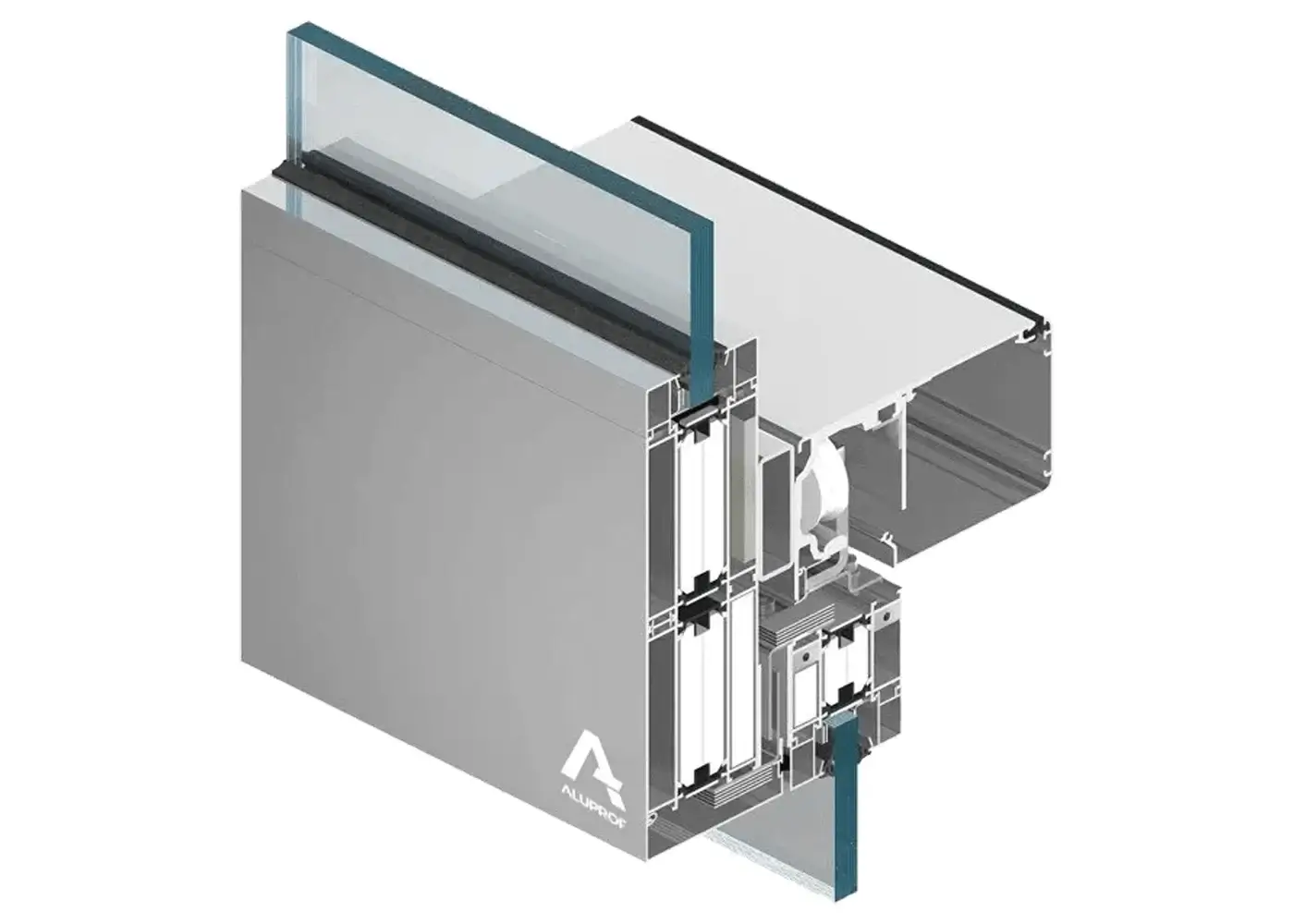
And if you need real visibility through a two-hour wall, look beyond the leaf. A fire-rated glazed screen with a doorset built into it, tested as a single system, often delivers far more light than the largest panel a heavy door will accept.
What about openings too wide for a single FD120 fire door?
Plant rooms and stores need space for equipment to come and go. A transformer, a chiller, a pallet truck: none of them fits through a standard leaf, and the widest single two-hour door a manufacturer certifies may still be too narrow.
Three options cover most cases.
Double doors and leaf-and-a-half doorsets come first. Two leaves meeting in the middle add an extra edge for fire to attack, so the evidence for pairs is narrower than for singles, and the door needs a selector so the leaves close in the right order. Get that wrong and the second leaf can stand ajar against the first.
Sliding fire doors suit openings that are wider still, such as loading bays in warehouses. A track-mounted steel door sits open beside the opening and runs across it when a fusible link melts or the fire alarm releases it. Many are available at two hours or more.
Fire shutters cover the widest spans and the places where nothing can project from the wall. A steel curtain drops from a barrel above the opening, again triggered by heat or by the alarm. Standard shutters give integrity, so a 120 minute shutter keeps flame back but lets radiant heat through, which rules them out where people or stock sit close behind.
Which to pick? Ask how the opening gets used day to day. A door people walk through every hour wants hinged leaves. An opening that stays open for deliveries and closes only in a fire suits a sliding door or shutter, provided the release is tested regularly and nobody parks a pallet in the way.
That last point catches more sites than any product fault.
A two-hour door is not a two-hour opening
This is the misconception that matters most, so it is worth putting plainly. The rating on an FD120 fire door describes the door in its tested setting. The opening in your building is only as good as the weakest thing around it.
Start with the wall. A door can never outlast the construction it hangs in, and a 120 minute doorset in a partition built for an hour gives you an hour at best. Laboratories also test doors in a defined supporting construction, often masonry or concrete, and many two-hour steel doorsets carry no evidence for lightweight stud walls at all. Then comes the frame fixing. Steel frames usually need fixing at set centres into solid material and the gap behind them packing and sealing with whatever the instructions specify, often mineral wool and a fire-rated sealant or grout. Leave that gap open and fire walks round the frame while the leaf holds firm. Last comes everything that passes through the wall nearby: a cable tray above the head, a pipe beside the jamb, an access control cable drilled through the frame. Each one needs fire stopping to the same period.
The door holds. The hole beside it does not.
On a two-hour opening, the installation and the wall around it deserve as much attention and budget as the door itself, and often more. Trimming the cost of the frame fixing or the fire stopping to pay for a premium leaf is robbing Peter to pay Paul.
If you manage a building with two-hour walls and have never had someone look at the frame perimeters and the services around those doors, put it on the list now. Problems here stay hidden behind architraves and ceilings until the day they matter.
Living with heavy doors
Two-hour doors also bring day-to-day problems. A heavy leaf needs a strong closer, and a strong closer makes the door hard to open; access guidance sets a limit of 30 newtons to start many doors moving, which two-hour doors struggle to meet. Hard-to-open doors get wedged, and a wedged FD120 gives you nothing. Where a door has to stand open, a hold-open device that releases on the fire alarm is the proper answer. Hinges wear faster under weight, steel thresholds rust in damp rooms, and dents can stop a leaf seating in its frame.
None of this is a reason to avoid the product. It is a reason to service it. A twice-yearly check of closing, latching, gaps and seals catches nearly all of it early, and the work is quick.
Choosing FD120 fire doors: a working order
The decision is easier when you take it in sequence.
- Confirm which walls carry 120 minutes, and which door rule applies to each opening in them.
- Move any openings covered by the half-period rule down to FD60.
- Decide whether each remaining door needs integrity only or insulation as well, and whether it needs smoke seals.
- Check the wall type against the doorset’s evidence, especially for stud partitions.
- Settle the width: single, pair, sliding door or shutter.
- Agree glass early, including size and position, and confirm it sits within the maker’s evidence.
- Plan the frame fixing, packing and fire stopping around the opening as part of the same package.
- Arrange hold-open devices and a servicing routine before handover.
On a single plant room door, a call with the fire engineer and a steel door supplier covers most of that list. On a large building it belongs in the spec from the first drawing.
Seen as a whole, FD120 fire doors are a specialist product for a fairly small set of walls: taller buildings, separating walls, large stores and serious plant areas. Most of them are steel doorsets, because timber struggles to last two hours without becoming impractically thick, though timber versions exist where looks matter. A plain rating covers integrity, and insulation needs specifying separately, which matters more at two hours than at any lighter grade. Glass is possible but thick, heavy and limited in size, and wide openings call for pairs, sliding doors or shutters. Above all, the door is only one part of a two-hour opening: the wall, the frame fixing and the fire stopping around it decide whether the building gets the full 120 minutes the label promises.