


Lightweight steel framing has transformed how external walls and internal partitions are built in the UK. Instead of heavy masonry, many projects now rely on Steel framing systems & SFS Walls to create fast, accurate and efficient building envelopes. These systems sit behind cladding, windows, and fire-rated doors, so their fire performance has a direct impact on the safety of the whole structure.
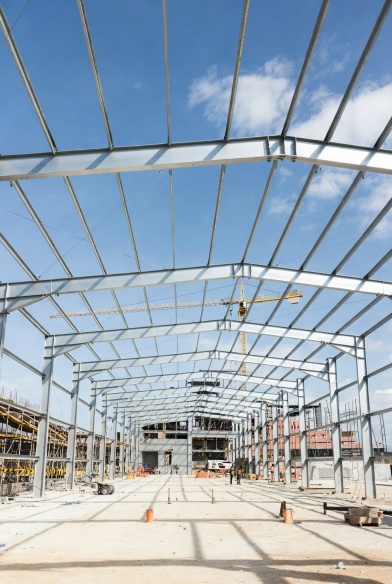
This guide explains what steel framing systems and sfs walls are, how they interact with fire-resistant components, and what to watch for in design, installation and inspection. The focus is practical: helping you understand how Steel framing systems & SFS Walls support fire doors, fire windows and compartment lines, and what good detail looks like on real projects.
What are Steel framing systems & SFS Walls?
In simple terms, steel framing systems (often shortened to SFS) are lightweight, cold-formed steel studs and tracks used to build wall structures. When these are assembled into external wall zones, they are commonly referred to as SFS walls.
A typical build-up might include:
- SFS framing – vertical studs and horizontal tracks fixed to the primary structure.
- Sheathing board – cementitious or gypsum-based boards for racking strength and fire performance.
- Insulation – in the stud zone and/or on the outside, depending on the U-value target.
- Cavity – ventilated or drained, with cavity barriers at compartment lines.
- External cladding – brick slips, rainscreen panels, render, or other finishes.
- Internal linings – plasterboard layers, often fire-rated, to provide the required fire resistance.
Because metal framing systems are relatively light and fast to erect, they are widely used for mid-rise and high-rise residential blocks, offices, schools and healthcare buildings. As a result, questions about Steel framing systems & SFS Walls and their fire performance come up on almost every modern project.
Why SFS walls are popular in the UK
There are several reasons why steel framing systems uk projects have leaned so heavily towards SFS:
- Speed of construction
Sfs systems can be pre-engineered and delivered cut to length, reducing time on site and allowing façades to be closed in earlier. - Weight reduction
Metal framing systems are much lighter than blockwork, which helps reduce foundation sizes and allows more flexibility in structural design. - Dimensional accuracy
Factory-produced steel studs help achieve flatter, straighter wall planes – important when fitting fire doors, fire windows and cladding. - Flexibility for services and openings
Services, windows, and door sets are easier to co-ordinate through sfs framing, which can be reinforced locally where higher loads or fire-rated openings are needed. - Performance options
By varying board types, insulation and sfs wall detail, designers can tune acoustic ratings, thermal performance and fire resistance to match the fire strategy.
This combination of benefits explains why steel framing systems uk are now a mainstream choice rather than a specialist one.
Fire performance fundamentals for SFS systems
Fire safety for Steel framing systems & SFS Walls is not just about the steel studs themselves. It depends on the whole wall build-up and how it fits into the building’s fire strategy and compartmentation plan.
Key elements include:
- Fire resistance of the wall
The complete construction (steel studs, boards, insulation and linings) must be tested or assessed to provide the required period of fire resistance (for example, 60 minutes integrity and insulation) from the correct direction. - Reaction to fire of components
Cladding, insulation and sheathing must achieve appropriate reaction-to-fire classifications, especially in taller buildings. - Cavity barriers and fire stopping
Sfs walls nearly always include cavities. These must be correctly subdivided with cavity barriers at floor lines, around openings, and at compartment walls to prevent unseen fire spread. - Interfaces with other elements
Sfs systems must tie correctly into fire-rated floors, compartment walls, fire doors and fire windows. Small gaps at junctions can undermine otherwise robust fire resistance. - Structural stability in fire
The sfs framing must maintain its load-bearing role (for example, supporting cladding) for at least as long as the wall is required to resist fire.
A good SFS wall detail always treats fire as a system issue: boards, rails, fixings, insulation, barriers, and openings working together, often incorporating fire proofing methods such as intumescent coatings on steel elements to prevent heat-induced structural failure..
Typical SFS wall detail: where fire risk hides
Most design drawings will show a generic sfs wall detail, but it is often the small items that decide fire performance in practice.
Points to watch:
- Stud spacing and board fixing. Close enough to carry the linings and cladding, but also aligned so tested sfs wall detail can be replicated without improvised fixes on site.
- Board joints and staggering. Fire-rated boards usually need staggered joints, correct fixing centres and specified joint treatments. Missing screws or misaligned joints create weak spots.
- Penetrations and openings. Services, bracketry and structural links all pass through sfs walls. Above those penetrations, achieving a reliable drop ceiling fire rating means specifying tested enclosures and barriers that align with the sfs wall evidence. Each penetration needs an appropriate fire-stopping solution that is compatible with the sheathing and linings.
- Perimeter fire stopping. At slab edges, roof lines and wall-wall junctions, fire stopping must fully close the voids between metal framing systems and adjacent construction.
- Deflection heads. Where sfs framing is built beneath concrete slabs or beams, deflection zones must not compromise the required fire stopping and are often based on specific tested details.
A carefully coordinated sfs wall detail saves significant remedial work later, especially where fire doors and windows are inserted into the wall.
Steel framing systems and fire doors certification
Fire doors are critical life-safety components, and the way they interact with SFS walls and steel framing systems can make or break a fire compartment line. It is not enough to choose a high-rated door on its own; you also need to think about fire doors certification in the context of the surrounding wall build-up.
In many projects, external and internal compartment lines are formed with Steel framing systems & SFS Walls, and fire doors are hung within those openings. For this to be robust, designers and contractors should look for certified fire doors for SFS walls that are tested or assessed in constructions similar to the intended frame. That means checking that the door’s performance evidence covers installation into lightweight sfs framing, not just solid masonry.
Good practice includes:
- Coordinated design:
- The opening size, stud arrangement and sfs wall detail around the frame should be set out early.
- Steel framing systems should incorporate reinforced jamb studs, lintels or framing kits where heavier, certified fire doors for steel framing systems are planned.
- The opening size, stud arrangement and sfs wall detail around the frame should be set out early.
- Verified interfaces:
- The fire stopping between door frame, SFS walls and finishes must follow the door’s installation guidance.
- Packers, sealants and fire collars should be compatible with both the doorset and the steel framing systems used.
- The fire stopping between door frame, SFS walls and finishes must follow the door’s installation guidance.
- Installation and inspection:
- Fitters should be trained to install certified fire doors for SFS walls without cutting or altering key components.
- Post-installation checks should confirm not only gaps and hardware, but also that the frame fixings and packings are anchored correctly into the sfs framing behind.
- Fitters should be trained to install certified fire doors for SFS walls without cutting or altering key components.
When fire doors certification is treated as part of the overall wall system – rather than a separate item – the result is a more reliable barrier to smoke and flame, and fewer disputes later about who is responsible if performance is questioned.
Steel framing systems and fire windows certification
Fire-rated windows and glazed screens often sit in the same wall zones as doors, especially on protected routes and at compartment lines. Once again, the relationship between SFS walls, steel framing systems and the glazed elements is critical, and so is fire windows certification.
In a typical façade or corridor wall, Steel framing systems & SFS Walls form the structural backing. Fire windows are then installed into framed openings that must match the arrangements used in testing. Selecting certified fire windows for SFS walls helps ensure that the glazing, framing, fixings and fire-stopping have already been proven together in lightweight steel structures rather than only in dense blockwork.
Key considerations include:
- Structural support:
- The sfs framing must support the weight of the glazed unit under normal service conditions and in a fire, without excessive deflection.
- Studs, lintels and jamb studs in steel framing systems may need upgrading or doubling around larger fire-rated windows.
- The sfs framing must support the weight of the glazed unit under normal service conditions and in a fire, without excessive deflection.
- Edge sealing and fire stopping:
- Fire windows certification normally sets out requirements for perimeter seals, backing materials and packers.
- These details must be compatible with the sheathing boards and linings used in SFS walls, avoiding combustible packers or untested sealants.
- Fire windows certification normally sets out requirements for perimeter seals, backing materials and packers.
- Thermal and acoustic performance:
- Because steel framing systems are often chosen to meet demanding thermal and acoustic targets, certified fire windows for steel framing systems must be integrated with insulation and linings without compromising the tested fire detail.
By treating certified fire windows for SFS walls as integral parts of the wall design – not as last-minute substitutions – teams can align fire windows certification with the performance of the whole façade or corridor wall, reducing the risk of weak links in compartmentation.
Coordination of SFS systems with doors, windows and services
Coordination is where theory meets reality for Steel framing systems & SFS Walls. Problems often arise not because the core products are poor, but because openings and penetrations were not considered early enough.
To avoid this:
- Freeze key openings early
Map the position of all fire doors, fire windows and major service risers relative to sfs walls before fabrication of the sfs framing. - Use standardised details
Where possible, adopt a limited set of approved sfs wall detail types (for example, “fire door in SFS corridor wall”, “fire-rated window in SFS façade”) that repeat throughout the project. - Control on-site changes
Any new opening cut into metal framing systems should trigger a design check and, where relevant, a review of fire doors certification or fire windows certification for the affected wall. - Document everything
Clear drawings and method statements showing how sfs systems connect to fire-rated doors and windows make it easier for installers and inspectors to do their jobs.
Good coordination is especially important in steel framing systems uk where programme pressures often tempt teams to “make it work on site” without revisiting the tested details.
Inspection and maintenance of SFS walls in service
Once occupied, the fire performance of Steel framing systems & SFS Walls depends on ongoing management, not just initial design.
Helpful steps include:
- Regular fire door and window checks
Inspection regimes for fire doors and windows should explicitly note the wall type they are set into – including whether openings sit in sfs walls or in heavier construction. - Monitoring alterations
Refurbishment work, particularly new services, door moves or window changes, can easily damage cavity barriers or compromise sfs wall detail. Any such works should be reviewed for fire impact. - Targeted intrusive surveys
On higher-risk buildings, occasional intrusive checks can confirm that internal linings, insulation and cavity barriers in sfs systems still match the original specification. - Record-keeping
Keeping accurate records of the specific steel framing systems, fire doors and fire windows used makes later verification and upgrade decisions much easier.
Inspection does not need to be complex, but it does need to be systematic if Steel framing systems & SFS Walls are to maintain their intended performance throughout the life of the building.
Key takeaways
To summarise the essentials:
- Steel framing systems & SFS Walls are now a standard choice for external and internal wall construction in the UK, particularly on mid- and high-rise projects.
- Fire safety depends on the whole build-up: sfs framing, boards, insulation, cavity barriers, linings, and – crucially – the junctions to floors, compartment walls, fire doors and fire windows.
- A well-designed sfs wall detail should always reflect tested constructions, not just generic sketches.
- Integrating fire doors certification and fire windows certification into the overall design of SFS walls and steel framing systems is essential if certified fire doors and windows are to perform as advertised.
- Early coordination of sfs systems with openings and services avoids improvised solutions that can undermine fire performance.
- Ongoing inspection, records and controlled alterations are vital if steel framing systems uk projects are to remain safe and compliant over decades.
By treating Steel framing systems & SFS Walls as part of a holistic fire strategy – not just a background structure for cladding – design and facilities teams can build envelopes that are fast, efficient and genuinely robust in a fire, supporting certified doors, windows and other fire-resistant solutions across the whole building.