


Passive fire protection systems are the built in parts of a building that help restrict the growth and spread of fire and smoke, protect escape routes, and reduce the risk of early structural failure. For projects in the UK, the subject is best understood as a complete building strategy rather than a loose collection of products, because walls, doors, floors, ceilings, fire stopping, cavity barriers, ducts, dampers, and structural protection all need to work together.
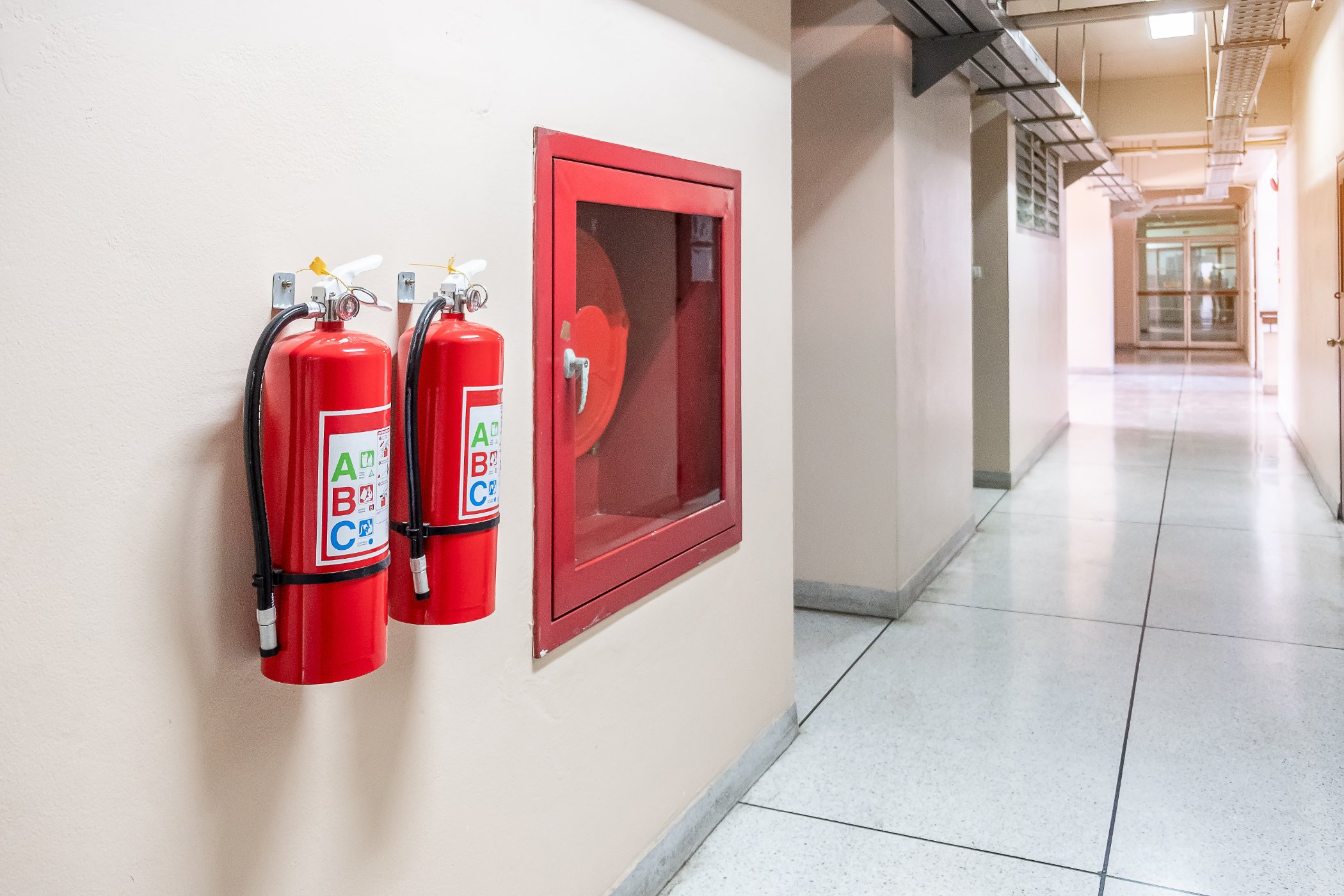
What passive fire protection systems actually do
At a basic level, passive fire protection systems are built into the fabric of the building and do not rely on activation, power, or human intervention in the same way that alarms or sprinklers do. The ASFP guide describes passive fire protection as measures that control the flammability of wall and ceiling linings, divide the building into fire resisting compartments, protect the structure against premature collapse, and provide protective routes for escape.
That definition matters because it explains why the term covers much more than fire doors alone. Approved Document B guidance for England groups fire safety around internal fire spread, structural fire resistance, compartmentation, external fire spread, and access for the fire service, which is why passive measures sit at the centre of most compliant fire strategies.
A useful way to explain the subject to clients is to divide it into three functions. First, compartmentation slows the movement of fire and smoke between spaces, second, structural protection helps the building remain stable for the required period, and third, protected escape routes support evacuation and fire service access.
If you are wondering where this fits against alarms and smoke vents, the difference is simple. Passive measures contain and resist, while active measures detect, alert, extract, or suppress. That is why passive fire protection systems remain critical even in buildings with strong active fire protection, because containment is still needed when openings, voids, penetrations, and structural elements are exposed to fire.
Examples of passive fire protection in real buildings
The easiest way to understand the topic is to look at clear examples of passive fire protection that appear in everyday commercial and residential buildings. ASFP identifies fire doors, fire resisting walls, floors and ceilings, fire resisting ducts and dampers, fire stopping, and fire protection to structural members as core passive fire protection products.
Examples of passive fire protection include:
- Fire doors that protect openings in compartment walls and escape routes.
- Fire resisting walls, floors, and ceilings that separate one risk area from another.
- Fire stopping around pipes, cables, ducts, and mixed service penetrations so the compartment line is reinstated after it has been breached.
- Cavity barriers inside concealed voids and façade cavities to reduce unseen fire and smoke spread.
- Fire resisting ducts, dampers, and structural protection systems that help the wider fire strategy keep working under heat.
These examples of passive fire protection matter because buildings rarely fail through one major opening only. More often, performance is lost through small gaps, service penetrations, poorly maintained fire doors, hidden voids, or missing barriers at junctions and cavity lines.
In practice, examples of passive fire protection should be inspected together rather than as isolated items. A fire door can be correctly certified, but if the wall around it is damaged or service openings above it are not sealed, the protected route is still weakened.
The same logic applies to ceilings and floors. The ASFP inspection guide specifically highlights walls, ceilings, floors forming escape routes, penetrating services, and other items such as cavity barriers and structural fire protection because all of these parts can influence life safety in one connected system.
Passive fire protection materials and system choices
Choosing the right passive fire protection materials is not only about buying products with fire related labels. It is about selecting tested, appropriate systems for the substrate, the opening, the service type, the occupancy, and the fire strategy of the building.
Common passive fire protection materials include mineral fibre and coated fire batt products for penetrations, intumescent sealants and collars for services, fire resistant boards for wall and ceiling systems, intumescent strips and smoke seals for fire doors, cavity barrier products for concealed voids, and specialist boards or sprays for structural protection. In specification language, passive fire protection materials should always be linked to a tested detail or certified application rather than named as generic substitutes.
This is especially important with fire stopping. LABC’s summary of ASFP guidance explains that compartment walls and floors can be compromised by service openings, and that even small holes for pipes or cables must be properly sealed to maintain their performance. In other words, the material choice has to match the service type, the opening size, the supporting construction, and the required fire period.
Passive fire protection materials also vary according to environment and movement. A rigid board system may suit one wall condition, while a movement joint seal or flexible penetration system may be more appropriate where vibration, thermal movement, or future service changes are expected. This is one reason strong specifications usually define the application first and the product second.
When you compare datasheets, look beyond simple claims such as fireproof or fire resistant. Better evidence comes from third party certification, tested or assessed system details, declared installation requirements, and clear limitations on use. The ASFP guide strongly advocates third party certificated passive fire protection products and installers, while also reminding assessors that certification does not remove the need for site inspection and maintenance control.
Passive fire protection methods and the role of coatings
There are several passive fire protection methods used across UK buildings, and the correct choice depends on what part of the fire strategy you are trying to protect. The most common passive fire protection methods are compartmentation, fire stopping, cavity barrier installation, fire resisting linings, door protection, and structural fire protection.
Compartmentation is one of the most important passive fire protection methods because it limits the travel of fire and smoke from one area to another. Fire stopping then supports compartmentation by sealing the local breaches created for cables, pipework, ventilation, and building services.
Another major category is structural protection. ASFP identifies fire protection to structural members as part of passive fire protection, and industry guidance commonly includes reactive and non reactive systems for steelwork depending on the exposure conditions and required fire resistance period.
This is where passive fire protection coating becomes relevant. Intumescent products used as a passive fire protection coating expand under heat and form an insulating layer that slows temperature rise in structural steel, helping the structure maintain stability for longer in a fire. A passive fire protection coating is not a decorative paint choice, because performance depends on the certified thickness range, the section size, orientation, preparation of the substrate, and the environmental conditions of the project.
A second point about passive fire protection coating is that more material is not automatically better. UL guidance notes that it is not always safe to extrapolate thickness beyond the maximum certificated value, because too much intumescent material can lead to cracking, delamination, or poorer performance. For that reason, passive fire protection coating specifications should include measured dry film thickness, compatible primer and topcoat requirements, and inspection hold points rather than simple visual acceptance.
You can see the same principle across other passive fire protection methods as well. A fire door only works properly when the correct frame, seals, ironmongery, gaps, and self closing behaviour are all in place, and a cavity barrier only works when it is continuous and compatible with the cavity geometry and façade detailing.
How to specify, inspect, and maintain passive fire protection systems
For clients, contractors, and building managers, the most practical approach is to specify passive fire protection systems as complete assemblies with clear evidence and responsibilities. That means naming the application, the tested or certified system, the supporting construction, the fire performance period, and the inspection and handover requirements.
A simple project checklist should cover:
- The compartment lines that need to remain intact.
- The exact openings, joints, voids, and service penetrations that interrupt those lines.
- The products or systems chosen to reinstate performance at those points.
- The inspection records, photographs, and maintenance procedures needed after installation.
Approved Document B remains the main government fire safety guidance used in England, and it covers homes, flats, residential accommodation, schools, colleges, and offices. In day to day design and maintenance, that means the passive strategy has to support means of escape, internal fire spread control, structural resistance, and protection of openings and cavity lines.
Maintenance is often where otherwise good passive fire protection systems begin to fail. The ASFP guide states that the responsible person should have a system to ensure passive measures are not compromised when alterations are carried out, especially when new pipes, cables, and services are installed through fire resisting elements. This is one of the strongest arguments for keeping accurate records and photographic evidence at handover, because later contractors often work blind if no fire safety information is available.
Inspection also needs to be realistic about risk. The ASFP guide explains that the fire risk assessor should take a structured approach, identify escape routes and critical compartmentation, and pay particular attention to smoke spread, because smoke is one of the major causes of deaths in fire. That is why examples of passive fire protection are often reviewed in escape corridors, stair cores, plant risers, roof voids, and service zones first, since those areas can affect both evacuation and firefighting operations.
The most reliable results usually come from combining three habits. Specify tested systems, use competent installers, and inspect every change to the building that could affect compartmentation or structural fire protection. That approach keeps passive fire protection systems practical, visible in the project workflow, and far less likely to be undermined by later fit out or refurbishment works.
Passive fire protection systems are often the quietest part of a building’s fire strategy, but they are also some of the most important. Good compartmentation, sound fire stopping, properly maintained fire doors, suitable passive fire protection materials, and correctly applied passive fire protection coating all help a building resist fire spread in the background, long before emergency crews arrive. For anyone writing specifications, surveying risk, or planning upgrades, the best starting point is simple, treat examples of passive fire protection as connected parts of one system and not as separate products bought in isolation.