


Choosing the right installer is as important as choosing the right doorset, because badly fitted fire doors can lose the performance they were tested to deliver. This fire door installers selection guide explains how to assess competence, what evidence to ask for, and how to judge whether a contractor is likely to deliver compliant, reliable fire door installation on a real UK site.
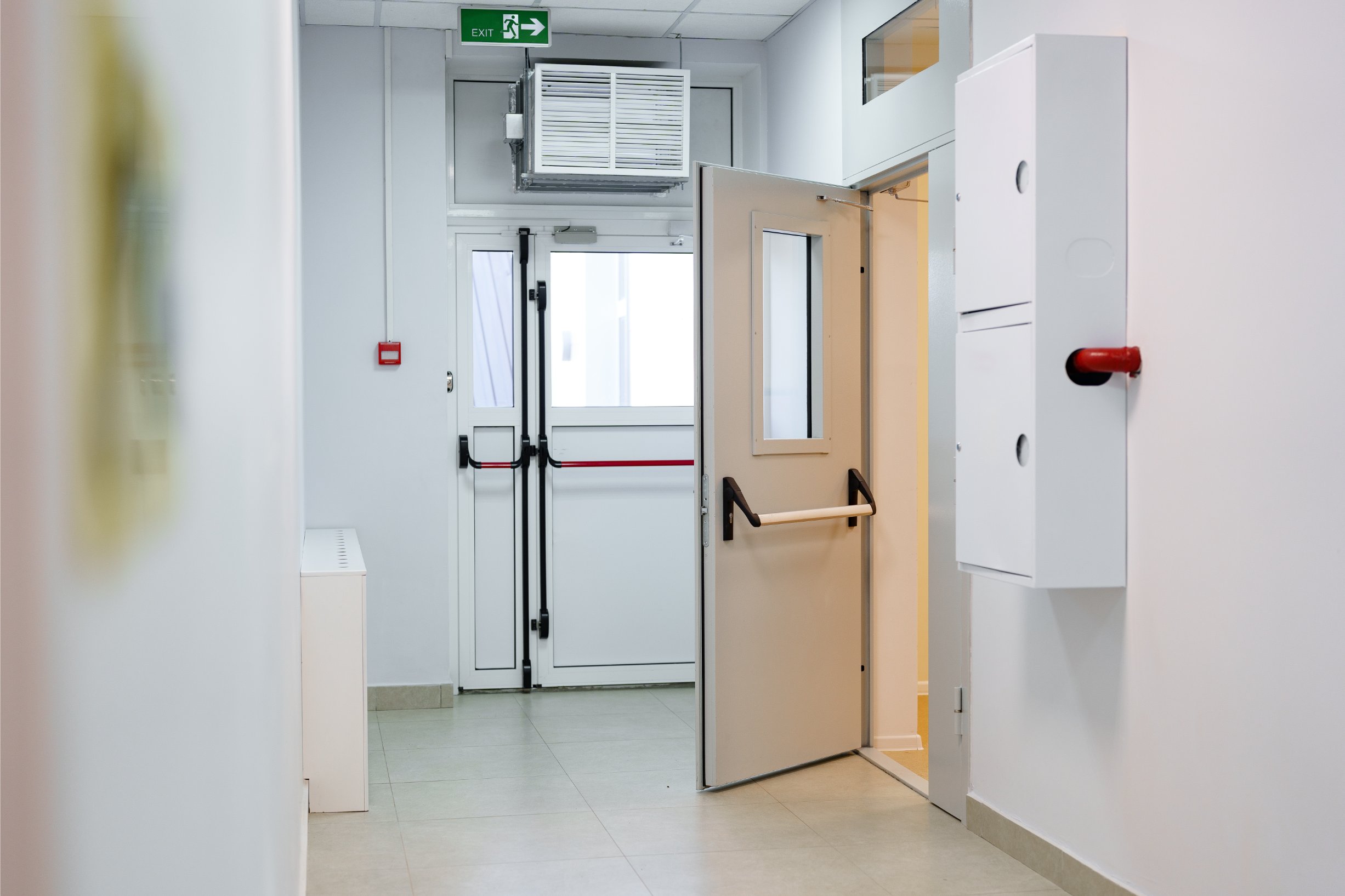
Fire doors protect escape routes and form part of a building’s passive fire protection strategy, but that protection depends on correct specification, fitting, and ongoing maintenance. British Woodworking Federation guidance states that incorrect installation and incompatible components can invalidate certification and leave occupants and buildings without adequate protection, which is why fire door installers selection should never be treated as a basic joinery purchase.
Why installer choice matters
Any strong fire door installers selection guide should start with one simple point, installation is life critical. The BWF states that fire door installation should only be carried out by someone who is competent, specifically trained to install fire doors, and aware of their responsibilities in getting the work right.
That matters because a fire door is not just a leaf on hinges, it is an assembly made up of the leaf, frame, seals, ironmongery, fixings, and perimeter sealing, all of which must align with test evidence, certification documents, or assessment reports. BWF also notes that the fire door assembly or doorset must be suitable for the supporting wall or partition and that the sealants, mastics, or foams used between the frame and the structure must themselves be approved for that purpose.
In practical terms, this means your fire door installers selection should focus on whether the contractor understands full system compatibility, not just whether they can hang a heavy door. A team that treats fire door installation like ordinary carpentry is far more likely to trim the leaf incorrectly, use substitute components, overlook certified instructions, or seal the frame with products that are not supported by the doorset evidence.
For clients and specifiers, the most useful mindset is to treat installer competence as part of the product performance package. If the installer cannot show how they follow manufacturer instructions, interpret certification, and manage site tolerances, the project carries risk before the first frame is fixed.
What qualifications and competence really look like
A common misunderstanding in the market is that there is one universal licence for installers. In reality, there is no single mandatory licence required by law to install fire doors in the UK, but industry guidance and procurement practice place strong emphasis on competent, properly trained people who can demonstrate knowledge of current fire safety rules and manufacturer requirements.
A good fire door installers selection guide should ask whether the person carrying out the work has training that is current, relevant, practical, and recognised by the market, rather than relying on a general carpentry CV.
When reviewing fire door installers UK options, ask for evidence at two levels:
- Company level accreditations, third party schemes, and quality procedures that show the business can manage compliant work packages.
- Individual installer competence, including course records, practical assessment, vocational background, and evidence that the operative assigned to your project is the one who actually holds the training.
That second point is especially important on larger jobs. A sales manager may present a polished competence pack, but the real test is whether the actual fitter on site understands certification labels, approved components, gap control, and the correct fire door installation process for the specific doorset being used.
Questions to ask before you appoint anyone
The best fire door installers selection guide is not a list of certificates only, it is a shortlist of questions that expose whether the contractor understands how fire doors perform. British Woodworking Federation guidance says all third party certified fire doors should be supplied with product specific installation instructions, and that installation methods and materials can change depending on product type and installation environment. A competent installer should therefore be comfortable talking about the exact instructions for the door being supplied, not offering one generic fitting method for every job.
Ask these questions during your fire door installers selection:
- Can you provide evidence of recent fire door installation work on similar projects, including schools, flats, offices, healthcare sites, or mixed use buildings relevant to our job.
- Which fire door installation qualification or third party scheme do your installers hold, and does that evidence relate to the people who will physically carry out the work.
- How do you check that frames, leaves, glazing, seals, closers, and ironmongery all match the supporting certification or assessment documents.
- What products do you use to seal the frame to the supporting structure, and how do you confirm those mastics, foams, or sealants are approved for that purpose.
- How do you manage variations on site, such as uneven openings, damaged substrates, changed floor finishes, or pressure to trim a door leaf beyond what the certification allows.
- What documentation do you hand over at the end, including installation records, product references, maintenance guidance, and photographs where needed.
These questions work because they force the contractor to explain the fire door installation process in plain terms. A weaker contractor usually falls back on broad statements about having fitted doors for years, while a stronger one refers to product instructions, assessed details, compatible components, and inspection points.
You should also ask who carries responsibility for surveying openings before manufacture or delivery. Many problems in fire door installation begin early, when the opening size, wall type, or threshold build up is recorded inaccurately and the installer then tries to recover the situation with site trimming or improvised packers. Good fire door installers UK firms will explain how they survey, how they escalate non compliant openings, and when they stop work instead of forcing a poor fit.
Understanding the fire door installation process
A reliable contractor should be able to explain the fire door installation process step by step, because installation quality is built through sequence and control. The BWF states that installation methods depend on product type and installation environment, so a competent team should start by checking the product specific instructions and matching the doorset to the wall or partition it is going into.
A typical fire door installation process includes these stages:
- Confirming the certification and product identity of the door or doorset before work begins.
- Checking the opening, the supporting wall or partition, and any distortion risk or structural issues that could affect performance.
- Installing the frame with the right fixings, packers, and geometry so the door can operate and seal correctly.
- Fitting the leaf, hinges, self closer, latch, glazing where applicable, and intumescent or smoke seals as supported by the certification or assessment.
- Sealing the gap between frame and structure with approved materials rather than convenient substitutes.
- Testing the door operation so it closes correctly and fully into the frame, especially where a self closing device is required.
This is one reason the phrase fire door installation should not be reduced to simple joinery labour. The door has to close, latch, and maintain the tested configuration, and the government guidance on fire doors in existing high rise residential buildings states that fire doors are among the most important measures for safeguarding means of escape and that replacement doors should be installed by a competent person.
The same government guidance also stresses the importance of keeping doors in good order and checking defects that may affect resistance to fire or smoke, including problems with the door, frame, glazing, warping, or self closing device. For that reason, the best contractors build basic inspection into the fire door installation process rather than treating installation and maintenance as completely separate tasks.
If you are comparing quotations, ask each bidder to describe their fire door installation process in writing. You will quickly see which firms understand installation as a controlled system and which ones are relying on standard carpentry language that does not address certification, compatible components, or approved perimeter sealing.
Red flags, final checks, and how to choose with confidence
A practical fire door installers selection guide also needs to show what bad looks like. The biggest red flags are vague wording, missing evidence, and overconfidence without system knowledge. If a contractor cannot explain certification, dismisses the need for product specific instructions, or says any competent carpenter can fit any fire door, that is a warning sign against proceeding.
You should also be cautious if the contractor relies only on a company logo or scheme badge without naming the trained individuals who will attend site. Strong fire door installers UK contractors are usually willing to identify the assigned installers, show their training or assessment records, and explain their site quality checks before you award the work.
Use this final fire door installers selection checklist before appointment:
- Verify who will install the doors, not just who prepared the quotation.
- Ask for individual and company competence evidence, including any fire door installation qualification records that are recent and relevant.
- Confirm the installer works to product specific instructions and supporting certification documents.firedoors.
- Check that approved mastics, foams, or sealants are specified for frame to wall sealing.
- Request a written method statement covering the full fire door installation process, inspection steps, and handover information.
- Review experience on similar building types and occupancy risks, especially where escape routes, communal areas, or flat entrance doors are involved.
In the end, this fire door installers selection guide comes down to a simple standard, choose the team that can prove competence, explain the system, and show how they protect certification from survey to handover. Good fire door installation is not just about passing a visual check on day one, it is about preserving the fire and smoke performance the building depends on when it matters most.